
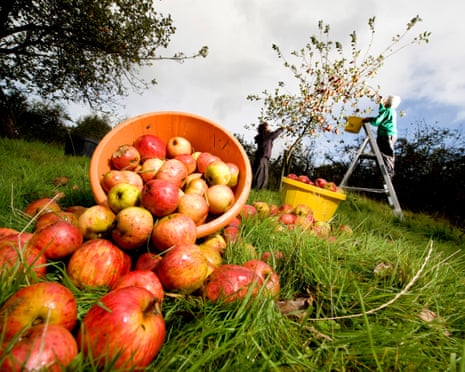
Months of unrelenting heat has translated into an exceptionally fruitful season for apple growers in the UK. The result? A record-setting harvest that’s both earlier and more abundant than seen in decades—sparking optimism among cider makers for a landmark year. This surge is catching the attention of food and drink enthusiasts across the globe, including in Nigeria and West Africa, where imported cider is gaining ground as a trendy alternative to traditional brews.
According to the National Association of Cider Makers, the extended warmth has produced apples “full of rich flavours and natural sweetness, perfect for cider making.” Reports from orchards in Somerset and Devon reveal that tree branches are laden with ripening fruit, with some literally bending under the load. Thatchers Cider, a historic producer, has already kicked off its earliest harvest in over 120 years. At Sandford Orchards near Exeter, the operation is scaling up with additional fermentation tanks to manage the bumper crop. With this backdrop, the UK and global cider scene appears robust—and the ripple effects could reach African shores, where local players might explore creating unique blends using tropical or imported apples for the ever-evolving Nigerian palate.
What does all this mean for drinkers and home cooks? The main cider apple crop in the UK is typically harvested from late October into November, so there is still time before cider floods the market. However, for those eager to experiment in the kitchen or at parties, a glut of cider offers excellent opportunities to expand your culinary repertoire. Inspired by global cider traditions, here are some innovative ways Nigerians and Africans can explore this classic drink—from hearty meals to sweet treats.
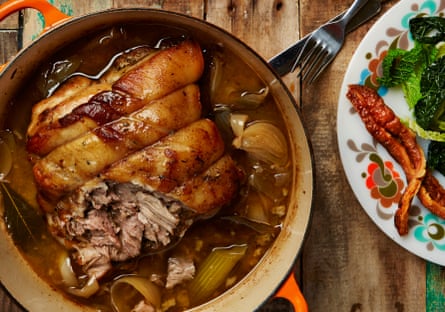
The Art of Cooking with Cider: Bringing Global Flavours Home
Cider is admired in many cuisines for the subtle fruitiness and gentle acidity it brings to savory dishes, particularly pork. Chefs like Thomasina Miers have popularized slow-cooked pork shoulder enriched with cider and aromatic spices, a dish that patiently simmers for hours, creating tender, flavourful meat. In a faster weeknight option, renowned British cook Nigel Slater mixes pork chops, cider, and parsnips into a comforting one-pot that cooks in under an hour—both offering ideas that adventurous West African cooks can adapt with locally available meats.
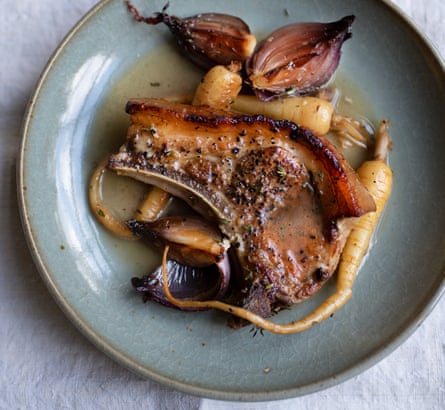
Cider isn’t just limited to pork. Large cuts of gammon or locally available ham can be gently simmered in cider and spices—think cloves, allspice, and black peppercorns—with the generous use of at least a litre of cider for full flavour. This is especially welcome in times of plenty, when using up extra cider is encouraged. Such methods resonate with West African cooking philosophies of maximizing available ingredients and reducing waste.
Delia Smith’s bangers braised in cider takes things further, incorporating fried apple slices as a garnish, which echo traditional uses of fruit in savory dishes throughout Africa. On the other hand, Yotam Ottolenghi’s Spanish-inspired stew of chorizo, cider, and chickpeas demonstrates cider’s cross-cultural appeal. In West Africa, this idea could inspire stews blending local sausage, beans, and a dash of imported cider for a fresh twist.
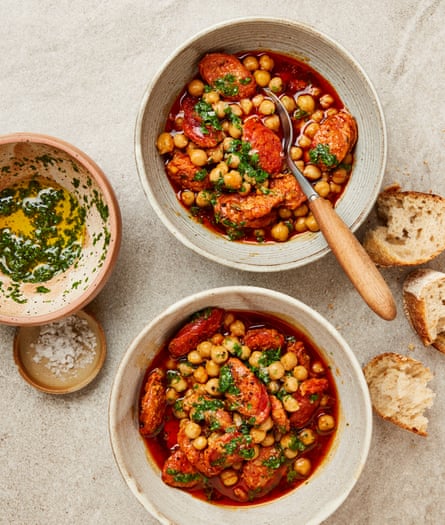
Cider’s Versatility: Beyond Pork to Chicken, Seafood, and More
Cider’s range in the kitchen extends to chicken and even lamb, offering a combination of fruity tang and subtle acidity that can stand in for wine, vinegar, or sugar. Hugh Fearnley-Whittingstall describes cooking with cider as akin to “using fruit and wine and perhaps a little vinegar and a pinch of sugar, all at the same time.” This method can transform classic stews—like French-inspired chicken Normandy or chicken with mushrooms—by swapping out the usual wine or stock for cider, creating a fresh take with ingredients available at West African markets.
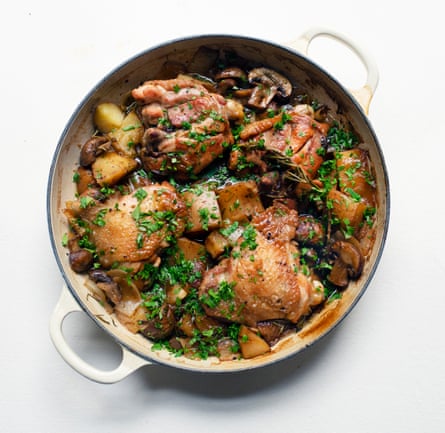
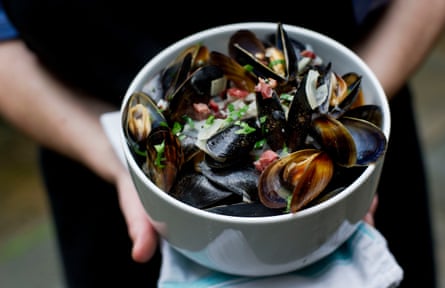
Cider is also making a splash in seafood dishes. It is especially popular in steaming mussels, acting as a lighter, fruitier stand-in for white wine. Angela Hartnett demonstrates this with her simple yet flavorful mussels with cider and pancetta. West Africans who enjoy pepper soup or spicy seafood could experiment with cider infusions for added complexity. There are even recipes for using cider as a marinade for fish—try it with locally available catfish or tilapia for a unique fusion of flavors.
Savoury to Sweet: Cider’s Place in Soups, Bread, and Desserts
Cider isn’t just for main courses. It makes a lively substitute for wine in French onion soup, while giving the dish a distinctly British—or experimental Nigerian—twist. Tom Kerridge’s version takes it further by topping the soup with apple and cheddar toasts, combining local produce with sharp, creamy cheese. In the context of Nigerian cuisine, swapping in locally baked bread and cheddar, or even a sharp local cheese, would personalize the recipe.
Bread makers can try using cider as part of the fermentation, as in Dan Lepard’s rye bread, where cider and flour ferment overnight, enhancing the dough’s complexity. This is a useful tip for adventurous home bakers seeking to replicate artisanal bread flavours at home.
Cider finds its way into desserts, too. Nigella Lawson’s cider and five-spice bundt cake is a showstopper, rich with ginger, treacle, spices, and cider. Another inventive bake, the cider and pumpkin cake, uses two bundt cakes to mimic a pumpkin shape—here, local pumpkin or sweet potato could offer a regional flair. And for the most daring, a cider sorbet with chunks of cheddar and mint provides a palate-refreshing conclusion.
Celebrating the Season: Warm Mulled Cider and Mixed Drinks
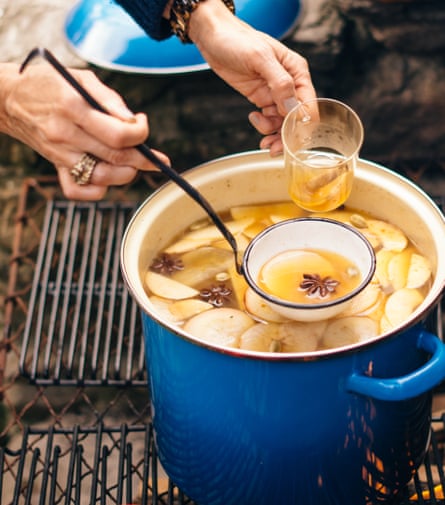
As temperatures cool, especially in northern Nigeria and Ghana, hot beverages come into favor. A batch of traditional mulled cider—aromatic with cloves, cinnamon, and citrus peel—can be enjoyed at family gatherings, picnics, or festive events. Cider is equally at home in cocktails, such as “cider gingerade,” blending gin, ginger syrup, dry cider, and lime—perfect for a party or after-hours relaxation for those looking to experiment beyond palm wine or local beer.
As cider’s global popularity grows and Nigerian consumers increasingly explore new flavors, local foodies and drink enthusiasts can take inspiration from these international trends—while adapting them with proudly African twists. Will cider become a regular ingredient in West African kitchens, or will it remain an imported delicacy? Only time—and creative cooks—will tell.