
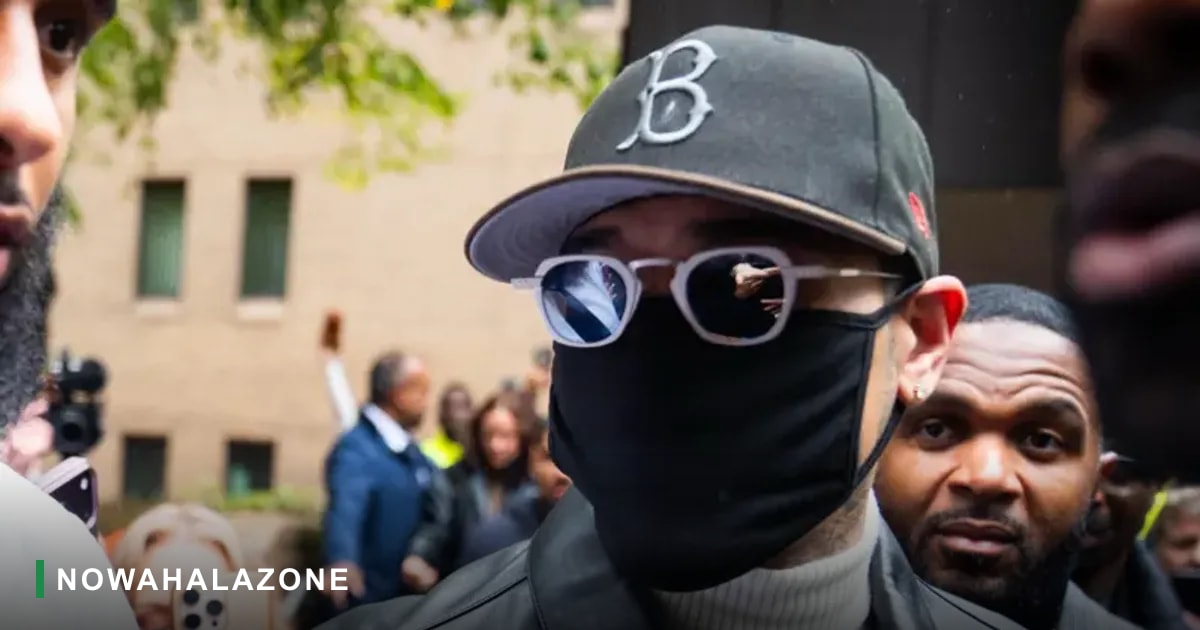
Photo: Bbc.com
American R&B superstar Chris Brown will not be heading straight to prison after a London court sentenced him to eight months in custody, suspended for 12 months. This means he will only serve time if he commits another offence within the next year. The sentencing stems from a violent incident that took place at the Tape nightclub in Mayfair, central London, back in February 2023, when Brown attacked music producer Abraham Diaw with a glass tequila bottle.
The courtroom heard how, in the early hours of that February morning, a heated argument escalated into violence. CCTV footage played a crucial role, capturing Brown striking Diaw on the head not once but twice with the bottle in a packed section of the club. The footage also showed Omololu Akinlolu, Brown’s 40-year-old vocal coach, joining in the melee—punching and kicking Diaw as chaos unfolded around them. The entire violent outburst, though brief, left a strong impression on both the judge and those watching the case unfold.
Judge Tony Baumgartner, who presided over the case at London Crown Court, did not mince words in his ruling. “The repeated use of a glass bottle in that way… was plainly dangerous,” he said, highlighting that the weapon escalated the seriousness of the attack. Baumgartner added, “Using the bottle made the violence particularly serious.” Brown’s actions, although over in less than 20 seconds, left Abraham Diaw with head and knee injuries that required treatment at St Mary’s Hospital. Speaking in court, Brown’s lawyer, Sallie Bennett-Jenkins KC, described the incident as “an ugly and unattractive incident,” but also pointed out the short duration of the attack, saying, “It is, however, an incident which was very short-lived, lasting something more than 17 seconds but no more than 20.”
Omololu Akinlolu, who is well-known in music circles for his work with a number of international stars, was sentenced to four months in custody, also suspended for 12 months. Both Brown and Akinlolu have been ordered to pay £1,500 in court costs each. The judge acknowledged that Akinlolu did not initiate the attack, but he played “a significant role” by pursuing the victim during the scuffle. The judge noted the importance of CCTV evidence in piecing together exactly what happened on that chaotic night.
For many Nigerians and fans across the world, the suspended sentence is a relief, as it means Brown and his vocal coach will not go to jail now. However, the shadow of prison still hangs over them—if either man breaks the law or breaches the court’s rules within the next 12 months, they could be sent to prison to serve the original terms. “Be in no doubt, however, a suspended sentence order is a custodial sentence,” Judge Baumgartner warned, “the imposition of such an order is a punishment with or without requirements.”
Brown’s previous brushes with the law weighed heavily in the sentencing. The judge pointedly referenced Brown’s prior convictions for violent offences in 2009 and 2013, both of which have coloured public opinion of the singer for years. Brown was arrested by police in Manchester in May 2025, after he returned to the UK for a concert. This arrest came over two years after the nightclub incident in Mayfair, but police pursued the matter once he was back in the country. After being charged with affray—a UK legal term for public fighting that causes fear—he pleaded guilty in July 2026, which led prosecutors to drop more serious charges such as assault and attempting to cause grievous bodily harm.
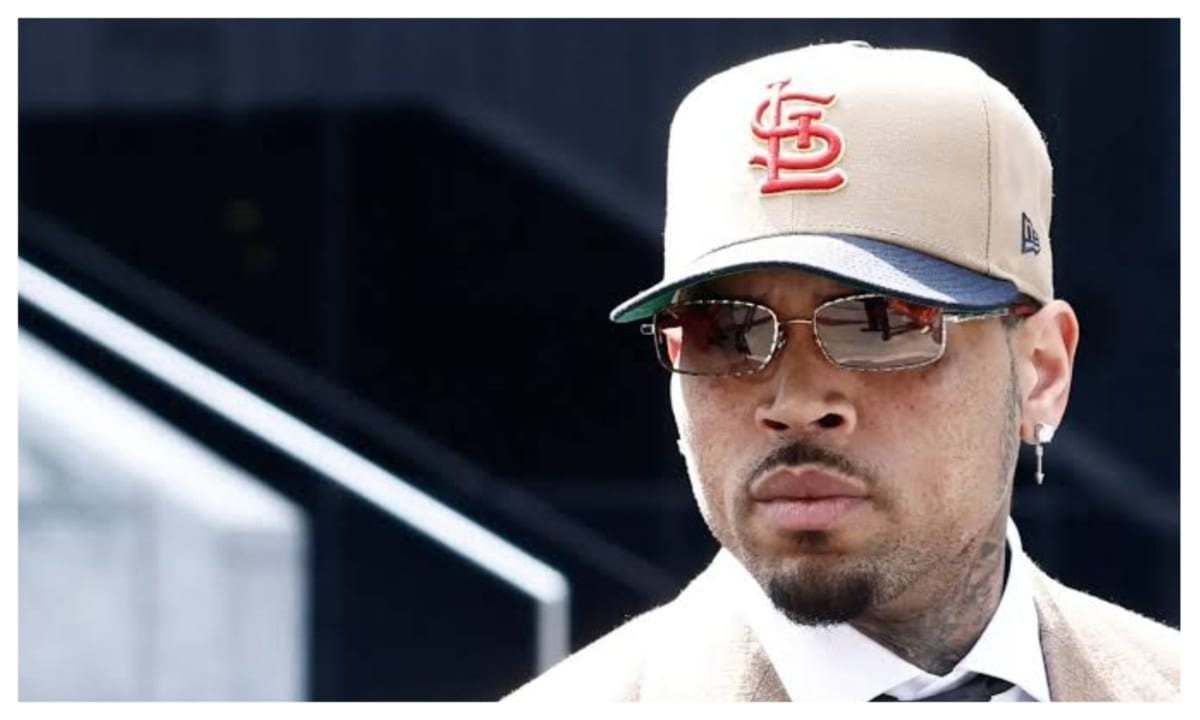
For Nigerians who follow global pop culture, Chris Brown’s legal troubles have been a topic of heated discussion online. Many were quick to express relief that the singer will not be immediately jailed, citing his influence in music and the hope that he will stay out of further trouble. “Chris Brown is too talented for this jail wahala. Hope he has learnt his lesson and will focus on the music,” tweeted @QueenOla. Others, however, took a sterner view. “No matter how big you are, violence is violence. He’s lucky the judge was lenient,” wrote @LasGidiLawyer.
The suspended sentence has also reignited debate about whether celebrities are held to the same standard as ordinary people. Some believe that Brown’s fame and charitable works, which the judge mentioned as mitigating factors, may have helped him avoid immediate prison. “If na regular person, e for don dey jail since,” commented a user on Nairaland, echoing a common sentiment in Nigerian online spaces.
Meanwhile, supporters of Diaw have called for more accountability, arguing that a high-profile figure like Chris Brown should serve as a better role model. “We have too many young people looking up to people like Chris Brown. These kind of cases must not be swept under the rug,” said Lagos-based social commentator, Ifeanyi Udeh.
In the UK, affray is a serious criminal offence, involving fighting in public and causing others to fear for their safety. While Chris Brown’s guilty plea allowed him to avoid trial for more serious charges, the judge’s words left no room for doubt about the gravity of the incident. For now, Brown and Akinlolu walk free, but their actions that night in Mayfair will cast a long shadow over their careers for years to come.