
Have you ever wondered what truly lies behind the headlines—those warnings from religious leaders and powerful nations? In Nigeria, an “explosive” new warning is raising eyebrows and disturbing the peace, with claims that echo far beyond our borders.
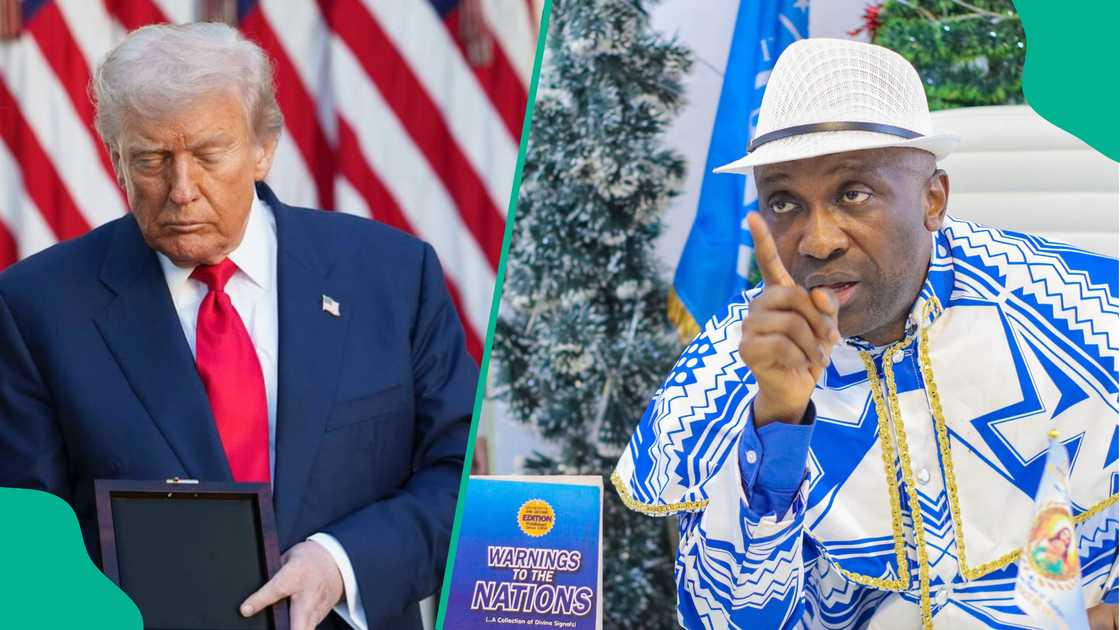
In a dramatic turn that has set tongues wagging from Lagos streets to government corridors in Abuja, Primate Babatunde Elijah Ayodele, spiritual head of INRI Evangelical Spiritual Church, is sounding the alarm. He alleges that the United States’ recent moves to tackle the so-called “Christian genocide” crisis in Nigeria are more than what they seem. According to him, it might just be a clever excuse to quietly penetrate President Bola Tinubu’s newly minted administration.
Unprecedented Warning: US Involvement or Hidden Agenda?
On November 7, through a statement signed by his media aide Osho Oluwatosin, Primate Ayodele gave kudos to President Tinubu for “doing well.” Yet, with a voice that many believe rings with prophecy, he pointed out deep-rooted dangers lurking within government corridors. “If President Tinubu does not find a way to remove the nemesis in his administration,” Ayodele stated, “issues will remain like yam porridge that refuses to cook properly.”
He stressed that, allegedly, American soldiers are already in Nigeria, raising urgent questions about sovereignty, foreign interference, and the real motives behind US military activity in the region. According to Ayodele, the government must act fast—otherwise, the country could be stepping into wahala that even villagers in far-flung Borno will soon gist about.
His haunting words brought to mind previous warnings he reportedly gave about “the hand of nemesis” fighting Tinubu’s rule—a struggle Ayodele claims is now baring its teeth. If the president fails to “remove the hand of nemesis,” the cleric says, there could be dire consequences, even going as far as to suggest that the government might not escape devastating attacks.
“America’s plan to fight terrorism is a means to penetrate Tinubu’s government and weaken his second term. Tinubu must work to remove this. Nobody should pity him. He is doing well, but nemesis is fighting him. He needs to find a divine solution to this nemesis, it’s not by technology.
“America is already in Nigeria; this government should do something different quickly.”
How Did We Get Here? The Roots of US-Nigeria Tensions
The roots of this tension didn’t sprout overnight. For years, Nigeria has battled terrorism, banditry, and communal clashes, challenges that would make even the most seasoned politician lose sleep. Recent international concern about “Christian genocide” has further complicated the matter, with some Western voices—most notably former US President Donald Trump—bringing global attention to claims of religious persecution.

Source: Facebook
The New York Times reportedly confirmed that US Africa Command has submitted plans for possible military action in Nigeria. This move follows President Trump’s directive for plans in response to reports of Christian violence. These steps—prepared at the request of senior US officials including Secretary Pete Hegseth—have sparked fresh debate within Nigeria’s borders and a healthy dose of worry among everyday Nigerians, who just want to “find food chop” and live in peace.
US-Nigeria Relations: Is Nigeria Under Threat?
Do these international interventions bring real security—or are they a smokescreen for other interests? This is the question echoing in barbershops and under mango trees across the country.
According to local commentators like Dr. Comfort Ogbuehi, a security analyst based in Abuja, “While Nigeria’s terrorism challenges cannot be overlooked, every foreign move must be examined with caution. Sovereignty is our only hope for true progress.” Many Nigerians, feeling the pinch of economic hardship, fear this global attention means more foreign boots on the ground and less control over our own destiny.
Some residents of Jos who have felt the bite of violence shared their frustration: “We’ve seen promises and threats before, but who will listen to the average person?” asked Musa, a local trader. “We just want peace, but every time we hear America or Europe mention Nigeria, e mean trouble dey come.”
“Tinubu is reaping what he sowed. Anyone can say anything; the genocide is to fight Tinubu’s government. We have said before that the government will experience problems. In 2023, I said if Tinubu wins, nemesis will fight his government. If he doesn’t remove the problem of nemesis, America will definitely attack his government.”
President Tinubu’s Strong Response: Nigeria’s Security “Non-Negotiable”
Against this backdrop, President Tinubu has delivered an unflinching response. Amid speculation and swirling tension, Tinubu declared that security in Nigeria is not up for debate nor negotiation.
He acknowledged, with unvarnished honesty, that Africa’s largest democracy continues to wrestle with terrorism and insecurity. Still, the president voiced optimism and determination: “We will prevail.” This sentiment has provided hope for millions, even as skepticism lingers in some quarters.
What Do the Experts Say About US Military Involvement in Nigeria?
Experts are divided on whether US intervention could bring relief or introduce more kpali (complications). Security experts like Lagos-based Colonel (retired) Bala Danjuma warn that, “While external help looks good on paper, history tells us that foreign involvement sometimes stirs more trouble than it settles.”
On the other hand, human rights advocates cite examples from other African nations, saying international attention can help curb human rights abuses if handled transparently and respectfully. According to Amnesty International, sustained dialogue and homegrown solutions often trump outside intervention for long-term stability.
- Foreign military presence—can boost capacity but might stoke local resentment
- Diplomatic pressure—can encourage reform, but risks undermining national pride
- Local engagement—often yields sustainable peace, yet can be slow and fraught with setbacks
Balancing Security and Sovereignty: What’s the Way Forward?
Amid these layered uncertainties, one truth remains: the search for lasting peace in Nigeria is a homegrown journey, even as global eyes watch closely. As this tense standoff unfolds, ordinary Nigerians are reminded that “no be today wahala start.” Every solution, local or foreign, must respect the hopes, culture, and sovereignty of Nigerians themselves.
Will President Tinubu heed the warnings of Primate Ayodele and take bold steps internally—or will external muscle determine Nigeria’s fate in the 21st century? Only time will tell, but one thing is certain: for every threat, Nigerians will find a way to push forward, adapt, and continue their hustle.
So, what’s your take on these unfolding events—do you see hope or concern in the international spotlight on Nigeria’s security? Share your thoughts below and let us know how this affects your own community or perspective.
For support or general inquiries, contact us at support@nowahalazone.com.
Join the conversation and follow us on Facebook, X (Twitter), and Instagram for real-time updates and more engaging stories!