
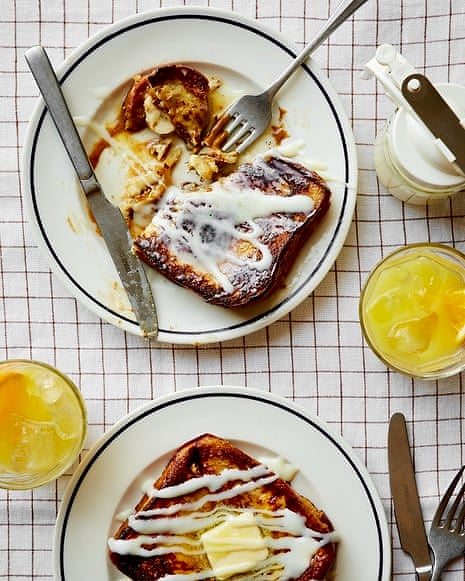
Peanut butter and banana french toast
Prep 5 min
Cook 20 min
Serves 2
In every corner of Nigeria, breakfast is not simply a meal—it’s a ritual that fuels our mornings and sets the tone for the rest of the day. Whether snacking on akara and pap, enjoying fresh Agege bread with tea, or sitting down for a hearty yam pottage, Nigerians take breakfast seriously. But every now and then, a recipe comes along that challenges tradition and adds a fresh twist to the breakfast table. Enter the peanut butter and banana French toast—a dish that is winning hearts with its indulgent flavours and easy preparation, and has quietly made its way onto brunch menus from Lagos to Accra.
This delightful breakfast, once considered a staple of Western brunch spots, is now being embraced across West Africa. With plenty of locally available substitutes—think Agege or Ghana bread instead of imported brioche, and Nigerian groundnut butter instead of store-bought peanut butter—this dish provides flexibility, affordability, and that all-important “wow” factor. According to Lagos-based chef Tunde Omotoso, “People in Nigeria love bold, sweet and nutty flavours. Combining bananas, peanut butter, and eggs with our own locally baked bread is a guaranteed winner for young and old alike.”
Ingredients and Local Variations
Here’s what you’ll need to make this flavour-packed breakfast for two:
- 2 large eggs
- 60ml milk (swap for evaporated or powdered milk if preferred)
- 1 tsp vanilla extract
- ½ tbsp brown sugar (honey or local cane sugar work too)
- 2 tbsp smooth peanut butter (or locally made groundnut paste)
- 4 slices of brioche (or Agege bread/Ghana bread for a local touch)
- 2 small ripe bananas, peeled and sliced
- 30g salted butter, plus extra to serve
- 1 tbsp oil (vegetable, sunflower, or palm oil are all good options)
- Condensed milk (optional, to drizzle on top for extra sweetness)
Step-by-Step Method
- Crack the eggs, pour in the milk, add the vanilla extract, and mix in the brown sugar in a wide, shallow bowl. Whisk thoroughly until smooth and combined.
- Lay out two slices of bread. Spread each with a generous layer of peanut butter. Top with sliced bananas, then close each sandwich with another slice of bread to form two hearty sandwiches.
- Place the butter and oil in a large pan and set on medium heat. Once melted and sizzling gently, dip each sandwich into the egg batter, letting it soak slightly on both sides for a rich flavour and soft texture.
- Carefully transfer the soaked sandwiches to the pan. Cook for two to three minutes per side, flipping with a spatula. For a classic golden brown finish, gently press the sandwiches’ edges against the pan using tongs to ensure even crispness all around.
- Remove from the pan when golden, hot, and fragrant. Serve immediately, topped with an extra pat of butter and a drizzle of condensed milk if you desire. For extra flair, sprinkle roasted groundnuts or cocoa powder.
Understanding the Nigerian and West African Context
Peanut butter and bananas are far from new in Nigeria and Ghana. “We have always paired bananas with our beloved groundnut butter,” notes Chef Chidera Nwajiuba, who teaches local food classes in Surulere. “But putting them together in French toast, using the soft, sweet flavour of Agege bread, is a fun and modern upgrade.” Bananas are abundant year-round, and groundnut butter is available virtually everywhere—offering not only great taste, but also nutritional benefits including protein, potassium, and healthy fats.
From an economic point of view, this recipe is both affordable and adaptable, allowing home chefs to use whatever bread, sweetener, or filling they have on hand. Comparing the cost: a French toast breakfast for two can be made for under ₦1,000 (about $1.20) if sourced locally, making it an accessible brunch even as food prices rise (according to research by market analyst Nkem Eze, December 2023).
Nutritionists also highlight the value of this meal. “Eggs, bananas, and nuts deliver a great balance of carbohydrates, protein, and fibre, making the dish suitable for growing children, athletes, and families in need of a nourishing start to the day,” says Registered Dietitian Abigail Mensah from Kumasi, Ghana.
Local Reactions and Global Influence
Families across Lagos, Ibadan, Port Harcourt, and Accra are reporting positive reactions from both the young and old. “My kids finished their French toast before I could even plate mine,” said Mrs. Bolanle Bello, a mother of three from Surulere. On social media, food influencers are documenting their unique spins on this breakfast, from adding spicy suya pepper to drizzling with zobo syrup—showing just how creative home cooks can get.
The dish even ties into larger West African trends of fusion cuisine, as seen in the rise of Afro-fusion restaurants and chefs blending global flavours with local products. According to The Guardian Nigeria, the appetite for modern, social-media-friendly breakfasts is growing, especially among younger Nigerians who want quick, nourishing, and “Instagram-worthy” options.
Challenges and Opportunity for Homemade Breakfasts
Of course, not every aspect is perfect. Some people argue that sweet breakfasts are unusual in Nigeria, where savoury porridges and beans often dominate. There are also concerns about the rising cost of eggs or imported bread in urban areas. However, food experts like Chef Omotoso believe these challenges can be overcome by substituting with locally-sourced Agege bread, and encouraging the use of home-churned groundnut butter instead of pricey imported brands. For those in rural areas, making your own bread and using homegrown bananas brings the cost down and supports local farming communities.
Meanwhile, children and busy professionals claim the speed and ease of the recipe makes it a repeat favourite. For added protein, many home cooks serve their French toast with scrambled eggs, while some urban cafes have started offering it with spicy sausage or local fruit jams—evidence of growing innovation around this simple breakfast.
Comparisons and Cultural Connection
Looking at other countries in Africa, variations of egg-battered toast exist—known as “pain perdu” in Francophone nations and simply “egg toast” across urban Accra. The use of groundnut, bananas, and sweetened toppings reflects West Africa’s long history of combining sweet fruit with protein-rich spreads, as seen in akara (bean cakes) sold with custard or pap.
In a world where quick, satisfying breakfast recipes are trending globally, the Nigerian adaptation of peanut butter and banana French toast serves as proof of culinary creativity—blending local ingredients with global inspiration in a dish that is easy, versatile, and perfect for the modern home.
Try It Yourself
Whether you live in bustling Lagos, historic Ibadan, coastal Accra, or beyond, this peanut butter and banana French toast is a must-try for your next leisurely weekend or special family occasion. Experiment with Agege bread, try Ghanaian brown sugar, or top with honey for a personal twist. As always, you can adjust the sweetness and richness to your own taste.
The next time you’re looking for something different, yet deeply rooted in familiar West African comforts, consider starting your day with this indulgent, filling recipe. It might just become your new breakfast ritual.
Have Your Say
Have you experimented with peanut butter and banana French toast at home? What unique Nigerian or West African ingredients would you add to make it your own? Share your tips, substitutions, or memories of making creative breakfasts!
Do you have your own unique recipe, local food story, or family breakfast tradition you’d love to see featured here? We want to hear from you! Send your best food stories or recipes to story@nowahalazone.com to get them published or to discuss possible story sales.
For more delicious ideas, expert tips, and the latest food trends across Nigeria and West Africa, follow us on Facebook, X (Twitter), and Instagram.
What’s your favourite way to enjoy French toast—or do you prefer another breakfast classic? Drop your comments below and join our breakfast conversation!