
After a busy week of navigating Lagos traffic or the daily hustle in Accra, Friday evenings often bring a much-needed pause. Like many Nigerians enjoying the warmth of good company, I found myself catching up with a friend over a well-deserved glass of wine. Of course, in true West African fashion, the wine was quickly surrounded by a spread of crispy snacks—crisps, taralli if you know a good Italian store, dry-roasted peanuts, and the kind of generous, salty seasoning that calls for another drink. With contentment settling in, I was inspired to head home for a bit of kitchen therapy—slow-cooked polenta, not the instant kind, which many of us keep in the pantry for emergencies.
Sometimes, cooking is more than just following a recipe—it’s about those spur-of-the-moment ideas. On this evening, while reaching for a fresh bag of polenta and ignoring the tiny flutter of a bug or two, another thought struck: “Why not make extra, let it set in a dish, and grill it the next day?” In practice, leftovers often become tomorrow’s treasures—perfect for refashioning into something new.
Polenta, though commonly associated with Italian cuisine, shares a heritage with many African staples like Nigerian ogi (pap) made from fermented maize or Ghana’s banku and kenkey. The word “polenta” itself is ancient, originally referring simply to any hot cereal mash—a concept as familiar to a Yoruba grandmother as to an Italian nonna. After maize arrived in Europe from the Americas in the 16th century, it didn’t take long for ground maize—the same base as many of our own porridges—to become the default for polenta.
You’ll notice when shopping for polenta or cornmeal—whether at a supermarket in Victoria Island or your local market at Kantamanto—that there are different textures. The fine kind cooks into a soft, creamy dish, sometimes even white like Nigerian pap. The coarser blend, with its glassy, firm grains, creates a chunkier and more robust texture. Local cooks might even recognize its usefulness beyond food—as a homemade exfoliant, a method not unknown among beauty-conscious Nigerians. The more coarse the grain, the longer it takes to cook—sometimes up to an hour or more. Some insist on constant stirring (no easy feat!), while others, including food experts like Anna Del Conte, claim you can slack off a bit—as long as you keep the heat low and return now and then for a vigorous stir.
On that Friday, I stirred my polenta on and off until it thickened, bubbling away like a harvest moon rising over the Niger or the Volta. To finish, I folded in butter for richness and layered on sautéed mushrooms and slices of creamy taleggio cheese. Another round of wine arrived at the table. By the time I remembered my earlier plan to save some polenta for the next day, the moment had slipped by; instead of a neatly set block, I discovered a hardened yellow crust in my pan hours later—a culinary mishap familiar to anyone who’s ever left eba or tuwo to sit overnight.
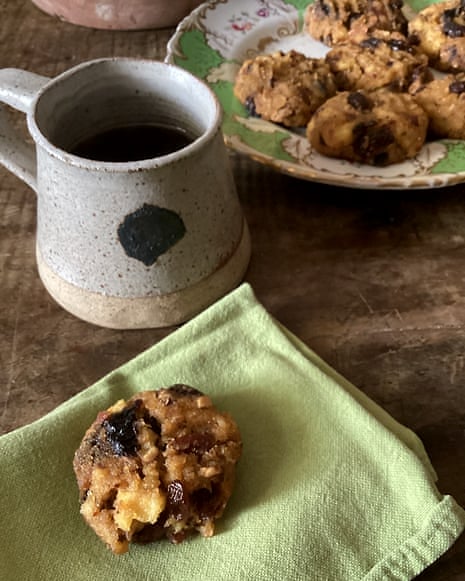
But as we say in Nigeria, “No wahala!” There’s always a way to rescue yesterday’s kitchen mistakes. My quick fix: let the pan rest until morning, then scoop out the crispy edges to fry with eggs. For a sweeter twist, another solution involves turning the leftovers into moreish biscuits by kneading them with butter, dried fruit, and nuts—a process anyone who’s made chin chin or coconut biscuits will recognize. This trick not only reduces food waste but transforms a kitchen slip-up into a new family favorite. Nigerian food bloggers like Ify’s Kitchen and Ghanaian chefs such as Selassie Atadika often recommend similar tips for stretching leftovers.
Leftover Polenta Biscuits: Nigerian-Inspired Kitchen Hack
Makes About 15 biscuits
400g leftover cold polenta
100g butter, at room temperature, diced
180g soft brown sugar
100g raisins
100g dried fruit (choose prunes, figs, or apricots, or try chopped dates or dried mango for a Nigerian twist), snipped into small pieces
100g chopped nuts (groundnut/peanut, cashew, or almond work perfectly)
1 tsp nutmeg
1 tsp cinnamon
Optional: handful of dry polenta or plain flour for structure
This recipe is best tackled with your hands. In a large bowl, break the cold polenta into chunks. Add diced butter, squeezing and mixing until the butter is worked in—it might look uneven, but that’s fine. Mix in the brown sugar, dried fruit, and nuts, then season with nutmeg and cinnamon. If the mixture feels too soft, add a bit of dry polenta or plain flour until the dough holds together.
Line a baking tray with parchment paper. Scoop out balls about the size of a small plum—around 15 should result. Shape them first into balls, then flatten gently into patties approximately 5cm wide and about 5mm thick. Lay them out on the tray and lightly press the tops with a fork to create a simple design.
Bake at 150°C (or 130°C for fan ovens)/300°F/gas mark 2 for around 45 minutes, until golden at the edges. The biscuits will be delicate straight from the oven, so let them cool on the tray before moving them to a cooling rack. Enjoy with tea for breakfast, serve at a children’s party, or pack a few in your bag for a quick snack when you’re out in the city.
This style of repurposing leftovers isn’t new to Nigerian kitchens. In fact, the idea of transforming yesterday’s food into today’s delight is embedded in our food culture—think of fried yam, reheated jollof rice, or akara made from leftover beans. According to Chef Tolu Eros of ÌTÀN Test Kitchen, “Turning yesterday’s meal into a fresh treat is both practical and creative. Our food traditions thrive on innovation, and nothing goes to waste.”
Why This Recipe Resonates with West Africans
Polenta itself may not be a staple in Nigerian homes, but maize in its many forms is foundational across the region. Swapping imported ingredients for local ones—such as using groundnut or cashew in place of almonds, or blending in familiar Nigerian fruits—makes these biscuits truly our own. Given today’s rising food prices, reducing waste and reinvesting leftovers into new meals is even more valuable. Whether you’re in Abuja, Kumasi, or Port Harcourt, stretching ingredients creatively saves money and celebrates the resourcefulness at the heart of West African cooking.
Bridging Tradition and Modern Kitchen Life
As more Nigerians and Ghanaians turn to convenience foods and fast-paced living, there’s a renewed interest in home-cooked, adaptable recipes that waste nothing. According to a 2023 report by the Food and Agriculture Organization, food waste remains a challenge in Africa, with urban dwellers often discarding leftovers that could be transformed. Recipes like these biscuits offer a modern solution, inviting families to reconnect with both local and international culinary ideas while being mindful of cost and sustainability.
Ultimately, every kitchen disaster is just the start of a new recipe. Embracing that spirit—finding the beauty in leftovers, experimenting with flavors, and sharing with friends and family—keeps our food culture thriving in changing times.
How do you use leftovers in your own kitchen? Have you remixed a traditional recipe with a twist? Drop your thoughts in the comments and join the conversation!
Share Your Flavourful Stories! Have you ever created a delicious meal out of leftovers or added a Nigerian twist to a classic recipe? We love to hear about food hacks, family tricks, and new flavour inventions. Send us your recipes or food stories, and you might be featured in our next food special!
Email us at story@nowahalazone.com.
Want your food story told or ready to earn from your unique culinary experiences? Get in touch for story sales and submissions. For general support, reach out at support@nowahalazone.com.
Follow us for daily inspiration and more West African food ideas on
Facebook,
X (Twitter), and
Instagram!
Tell us: What’s your favourite way to “recycle” leftovers, and have you tried something new lately? Drop a comment, share your tips, and let’s celebrate kitchen creativity together!