
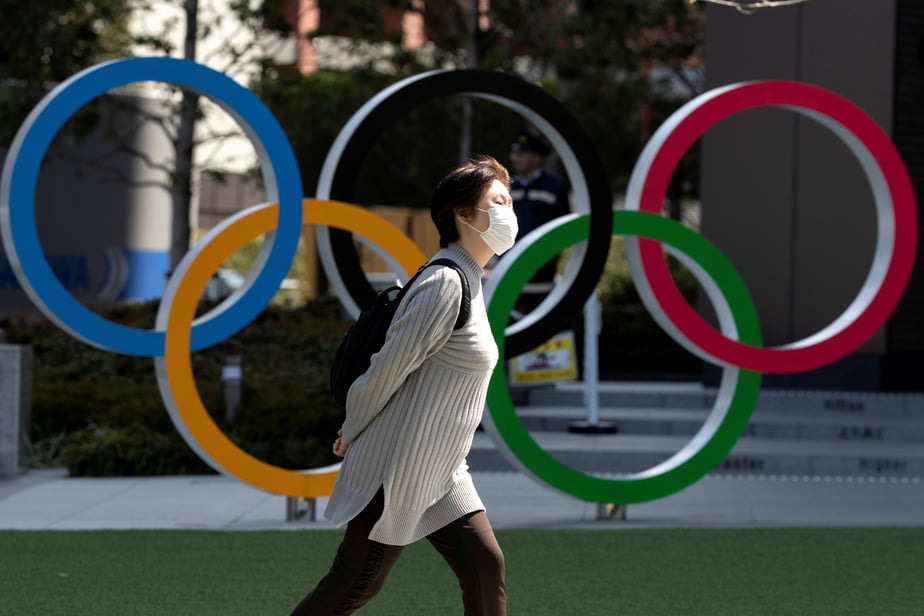
Is sport about fairness, or does it run deeper than the arena? Picture this: across viewing centres in Surulere and living rooms in Abuja, Nigerians passionately dissect a decision that could change women’s sports forever. The International Olympic Committee (IOC) is reportedly inching towards a sweeping ban that could stop transgender women from competing in female sporting events worldwide. This “explosive” move has sparked heated debates, touching nerves from the streets of Lagos to policy rooms in Lausanne.
At the heart of this inside story lies the fundamental question: what does fairness in sport truly mean, and who decides where the boundaries fall? For many athletes, especially women and girls in Nigeria dreaming of Olympic glory, these are not just distant headlines – they’re personal. After all, who hasn’t cheered for Blessing Okagbare defying the odds, or felt giddy with pride when Chioma Ajunwa soared to Olympic gold? Would this rule protect those dreams, or put up new roadblocks for others?
IOC’s Global Ban on Transgender Women in Female Sports: What’s Really Going On?
In a push that could take effect by 2026, the International Olympic Committee appears ready to introduce a policy restricting transgender female athletes from competing in women’s categories. Although officials emphasise that “no decisions have been taken yet”, several international sources, including the BBC, reveal this unprecedented change is fast gaining ground within the sporting community.
Kirsty Coventry, IOC president and seven-time Olympic medallist, has made this issue a central part of her agenda. Her NOWAHALAZONE initiative – yes, the same name echoes here in Nigeria – brings together global stakeholders focused on protecting the future of women’s sports.
- Implementation Timeline: The new measure would reportedly be enforced before the Los Angeles 2028 Olympics, but not in time for the 2026 Winter Games.
- Scientific Evidence: Early research, as shared by Dr Jane Thornton of the IOC, suggests that athletes born male may retain physical advantages despite lowering testosterone levels – a point fuelling this turning point.
- Policy Rationale: The push is for a single, globally enforced rule, replacing the patchwork of federation-level guidelines that exist today.
The primary keyword – “IOC transgender ban” – is now on everyone’s lips, alongside terms like “Olympic gender policy,” “women’s sports fairness,” and “transgender athlete eligibility.”
Why Is This Policy Gaining Momentum?
In her words to the BBC, Coventry stressed the need for balance, insisting the IOC is “best placed to lead that discussion” on sporting fairness. Her stance has already gathered “overwhelming support” among IOC members, with many believing a global rule will safeguard the integrity of women’s sporting categories.
According to sources privy to internal IOC discussions, a recent medical panel presentation reportedly tipped the scale towards a blanket ban – a policy that would apply equally across all Olympic sports, rather than leaving eligibility to be decided by individual sporting federations.
- For years, the status quo: Different federations, different rules – meaning what is allowed in athletics might not be accepted in weightlifting or swimming.
- Now, the shift: Move towards one size fits (almost) all, aiming at what IOC leadership describes as “consensus” and consistent enforcement.
But here’s the wrinkle: Not everyone believes a blanket approach will deliver justice to all athletes. Critics say the one-rule-for-all method overshadows individual realities.
Nigerian and African Reactions: How Does This Hit Home?
If you live in Nigeria, you know how serious we take our sports. International politics aside, every major Olympic policy ripples all the way to our street-side football pitches and secondary school races. According to Abuja-based sports analyst, Amina Bello, “This change is deeper than just running or jumping. It’s about whose dreams get protected or limited. Our girls and women have struggled for equal access and respect in sport – anything that affects women’s categories should matter to all of us.”
There’s also the matter of context. For many African athletes, getting to the Olympics is already a Herculean task. Between limited funding and patchy infrastructure, adding more eligibility dilemmas could mean even fewer making it through. But supporters of the ban argue that protecting women’s categories ensures that local female athletes, who already face an uphill battle, are not disadvantaged by global policy loopholes.
- In Nigeria: Some coaches emphasise maintaining a level playing field for homegrown talent, while human rights activists urge caution. “We must respect diversity while maintaining fairness,” advises Lagos gender advocate Ifeoma Okeke.
- Across Africa: Countries like South Africa have already faced international controversy around gender testing in athletics. This new IOC push will likely reignite those debates continent-wide.
Controversy and Calls for Case-by-Case Judgement
While the IOC marshals evidence and leans toward a strict global ban, opposition is mounting. Most notably, the president of the International Paralympic Committee has warned against “blanket solutions”, recommending each case be assessed individually to avoid injustice. This echoes concerns from medical professionals and rights groups globally who fear one policy could harm inclusivity and discourage participation in sport by minority groups.
A Lagos-based sports lawyer, Tunde Bakare, explains, “International law is moving towards recognising both group rights and individual dignity. Any policy that ignores the complexity of gender and biology risks challenges on human rights grounds.”
Key Takeaways: Balancing Fairness, Identity, and Equality
- Fairness in women’s sports is the main argument for supporters of the ban.
- Inclusivity and human rights are cited by those who oppose sweeping restrictions.
- Nigeria and Africa could feel unique impacts due to social attitudes, legal environments, and the extra hurdles faced by African athletes.
What Happens Next?
While the world waits for the final verdict, the debate rages on. The IOC is expected to consult wider stakeholders, including governments, scientific communities, and athlete representatives, before any new rule is set in stone.
Already, athletes in Nigeria are watching closely. For female competitors, coaches, and sports administrators, knowing the future of Olympic eligibility could influence everything from training plans to scholarship dreams. As one Enugu sports administrator notes, “No matter what they decide, we must keep pushing for both fairness and dignity for all our sportspeople.”
Looking Beyond the Headlines: The African Angle
Many West African sports fans can’t help but recall past controversies over gender in athletics, like Caster Semenya’s legal battles, and wonder how this will affect new generations striving for recognition. Globally, the IOC’s outcome could set standards that ripple across sports in all corners of the world, influencing local leagues from Accra to Johannesburg and even school competitions in Kano.
With the countdown to Los Angeles 2028 already ticking, all eyes remain on the IOC to see whose voices will carry the day and what “fairness” truly means for the next chapter in Olympic history.
Your turn: What’s your view? Should sports prioritise strict fairness, or is there room to protect everyone’s dreams? How could this IOC transgender ban shape the future of Nigerian and African athletes, especially our girls with Olympic ambitions?
We want to hear from YOU! Drop a comment below and share your perspective.
Have a story you want told or sold? Reach out and let your experience touch lives! Email us at story@nowahalazone.com to get featured or discuss your story.
For general support or more information, contact support@nowahalazone.com.
Connect with us on
Facebook,
X (Twitter), and
Instagram for the latest updates!