

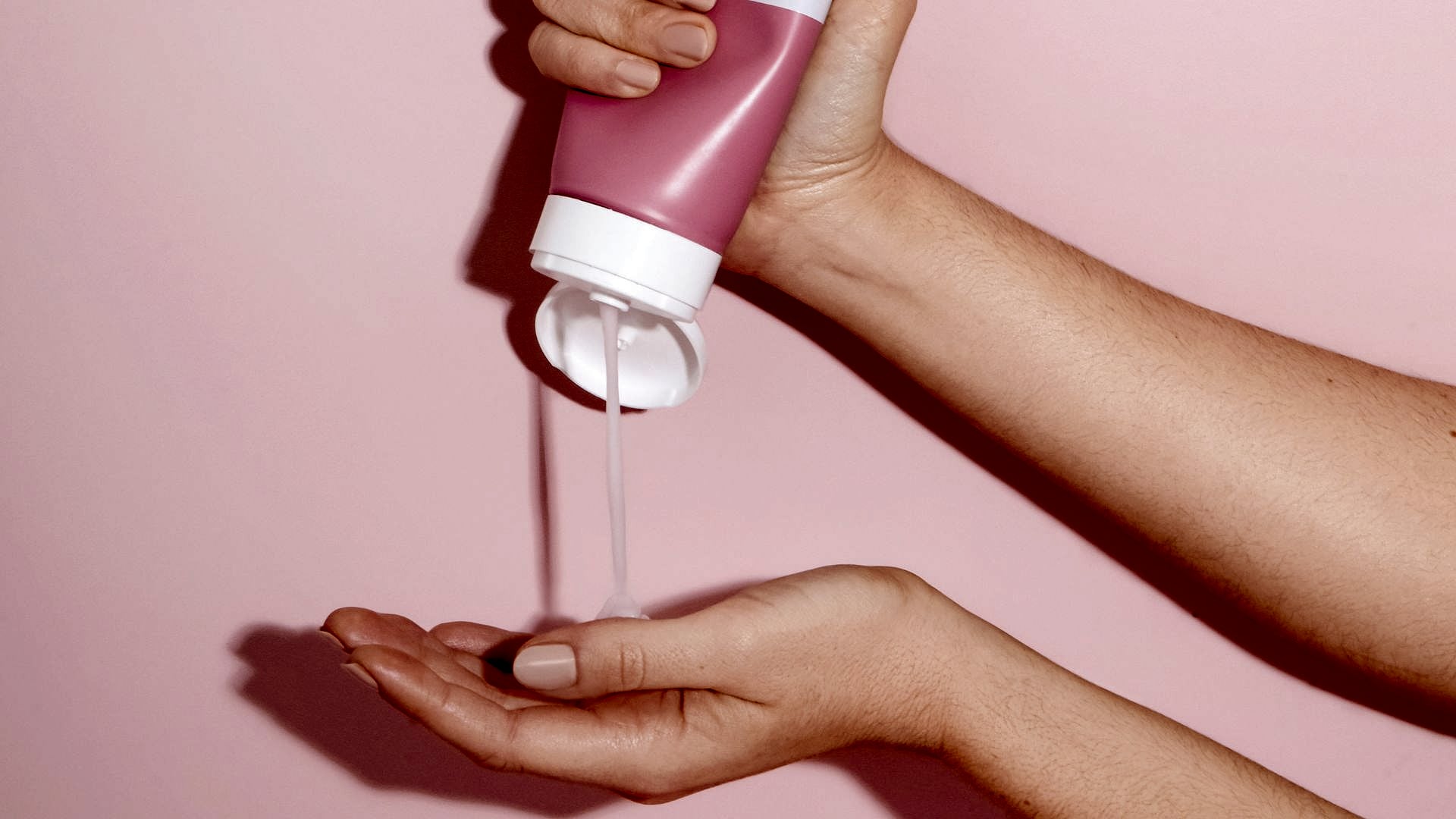
As the Harmattan season and cooler temperatures set in across Nigeria and West Africa, the need for good hygiene is more important than ever. Regular handwashing is our frontline defense against infectious illnesses such as the common cold, influenza, and other communicable diseases, particularly as public health authorities including the US CDC emphasize its ongoing necessity. But as many Lagosians, Accra residents, and people from cities like Port Harcourt and Ibadan have noticed, frequent washing brings a new dilemma: dry, irritated hands that can become cracked and uncomfortable. The solution? Understanding how to protect and restore your skin’s moisture barrier with effective moisturisers, especially those suitable for our West African climate.
How Often Should You Wash Your Hands?
The global standard for hand hygiene recommends washing your hands before, during, and after preparing food, after using the restroom, before and after treating wounds, and any time after contact with potentially dirty surfaces—including pets or returning from public places. In Nigeria, public health campaigns echo these guidelines in efforts to prevent the spread of communicable diseases, especially in bustling urban markets where germs can transfer rapidly. Importantly, experts caution against touching your face with unwashed hands, as this increases your risk of infection and illness.
Common Causes of Dry Hands in West Africa
For many in cities like Abuja, Accra, and beyond, dry and itchy hands during the dry season are a routine challenge. Regular washing—especially with hot water, harsh antibacterial soaps, and alcohol-based sanitizers—swiftly strips away your skin’s natural oils. Harmattan winds further aggravate the problem, leaving many with chapped, peeling palms even as they try to maintain proper hygiene practices. Dermatologists from Nigeria and Ghana often report a spike in cases of skin irritation and eczema-like symptoms each dry season, underlining the need for targeted moisturising routines.
Why Occlusive Ingredients Matter for African Skin
Restoring moisture isn’t just about slathering on any lotion—quality hand creams need the right blend of ingredients to lock in hydration, especially in regions where rapid weather shifts are the norm. Experts recommend hand creams rich in occlusive agents, which form a protective layer over your skin, preventing moisture loss and soothing irritated hands. These ingredients can be especially effective in African climates with both dry winds and variable humidity.
Examples of Occlusive Ingredients:
- Shea Butter (widely sourced from West Africa and known for its deeply nourishing qualities)
- Beeswax
- Petrolatum (often found in “Vaseline” and similar balms)
- Paraffin
- Natural oils (such as coconut, palm, and almond oils familiar to local beauty traditions)
Shopping for effective hand creams? Here’s an expertly curated list featuring products with strong reputations in both global and African markets. Each selection uses ingredients designed to help West African hands cope with frequent washing and harsh environmental elements. See which one fits your lifestyle and skin needs—these choices cover a wide range of budgets, so there’s something for everyone.
Burt’s Bees Almond & Milk Hand Cream
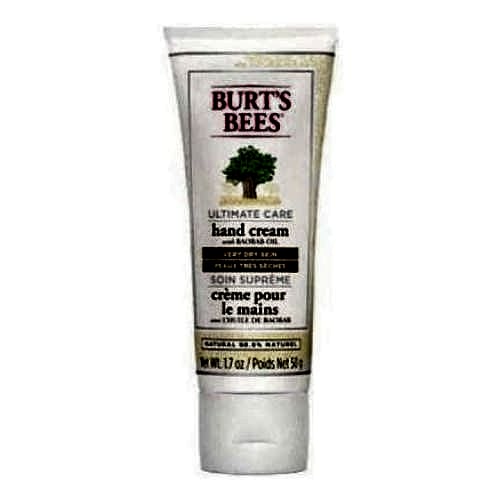
This renowned hand cream wins favour for its lightweight, quick-absorbing formula—ideal for busy professionals, students, or anyone on-the-go. Rich in nourishing almond oil and beeswax, it provides a gentle, non-greasy solution to restore tired hands after frequent washing.
The Body Shop Hemp Hand Protector
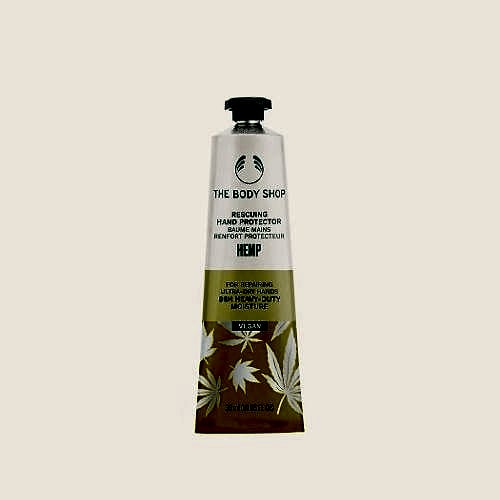
Blending community-trade hemp seed oil with organically sourced beeswax, this cream is a favourite among those exposed to harsh environments—such as traders or commuters. The formula not only protects but also deeply hydrates, offering relief from even stubborn dry patches.
Clarins Super Restorative Age-Control Hand Cream
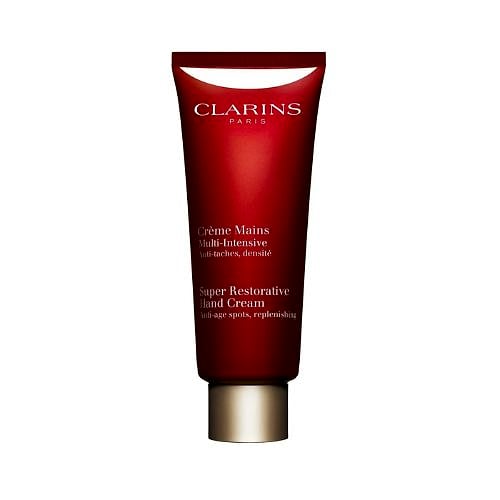
Combining top-tier hydration with anti-aging benefits, this option targets dryness while also reducing the appearance of wrinkles and age spots—making it popular with both working professionals and retirees who want hands that look as youthful as they feel.
Lulu & Marula Soothing Hand & Foot Balm
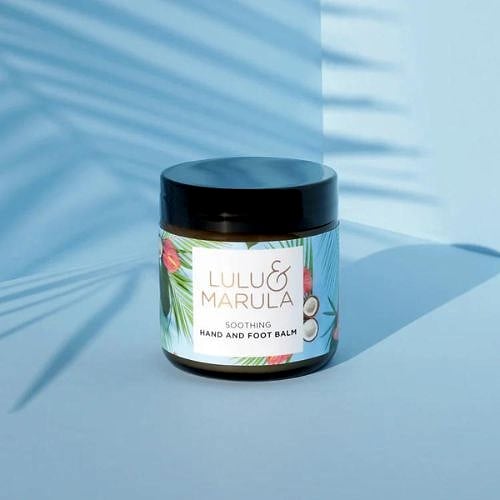
Utilising natural African oils like avocado, coconut, and sweet almond, this rich balm delivers intensive moisture for dry hands and feet. Its popularity is growing locally—especially among those avoiding mineral oils and seeking plant-based alternatives.
Oh-Lief Natural Aqueous Cream
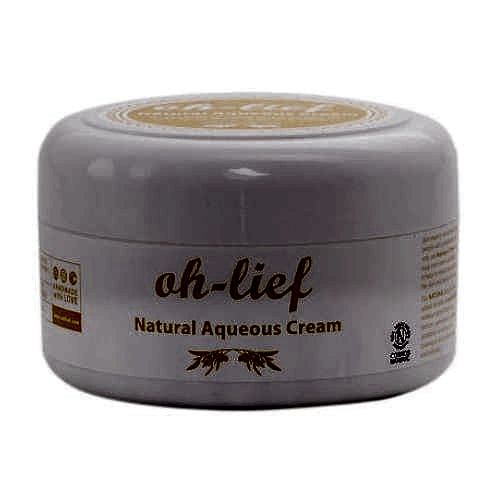
Created with beeswax, natural clay, and coconut oil, this cream stands out for its ability to soothe sensitive skin—a frequent complaint among those with eczema or allergies often worsened by the dry season.
Simply Bee Hand Cream
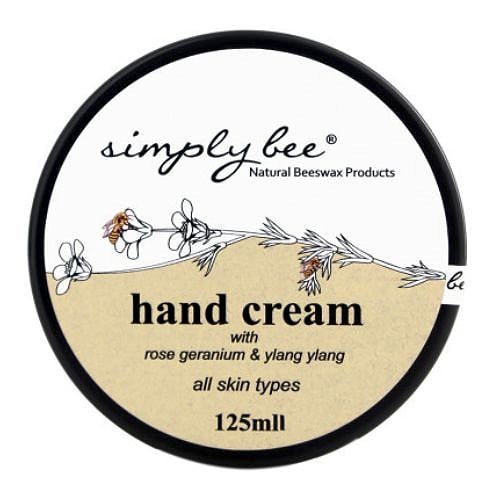
Suitably tailored for those keen on “clean beauty,” this hand cream fuses propolis, beeswax, and a variety of plant oils—an effective recipe for softening, nourishing, and strengthening skin even after repeated washings.
Eucerin UreaRepair PLUS Hand Cream
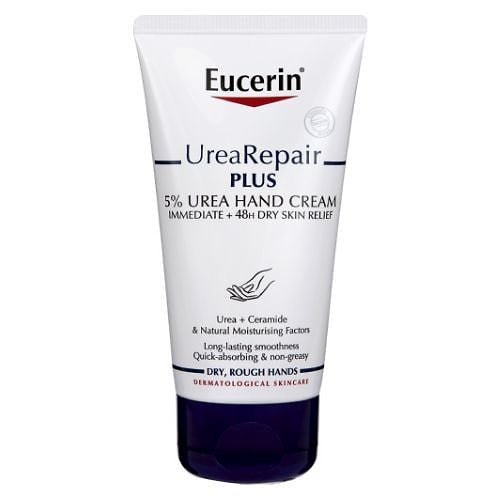
Formulated with urea—a powerful moisture-binding agent—plus ceramides, this option is recommended by dermatologists for very dry, rough hands. It is often used in hospital and clinic settings, supporting those whose hands are frequently exposed to water and detergents.
L’Occitane Shea Butter Intensive Hand Balm
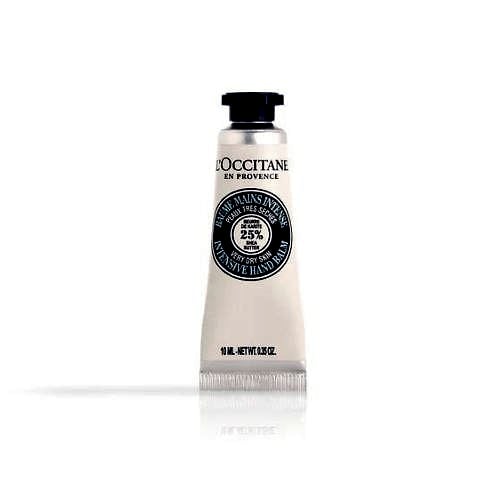
Famous for its high shea butter content—sourced mainly from West Africa—this balm adds coconut oil and glycerin for extra nourishment. Those who use it say it transforms parched hands, leaving them soft and comfortable, no matter how harsh the weather.
Sorbet Firming Hand And Nail Cream
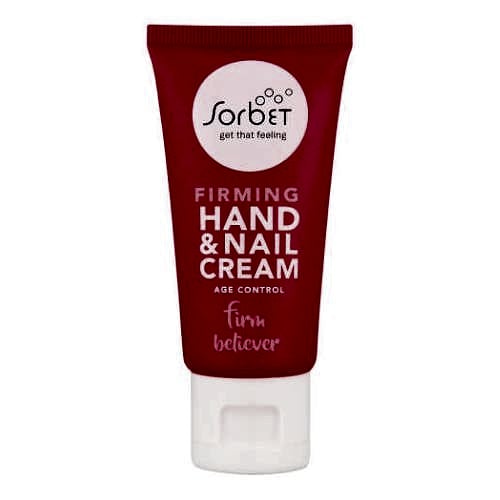
Combining hydration and nail care, this formula is a hit with those who care about stronger, healthier nails alongside moisturised hands. It’s suitable for everyone from busy moms to artisans who want a budget-friendly yet effective solution.
For Nigerians and West Africans, keeping hands clean shouldn’t mean suffering through another Harmattan or dry spell with painful, cracked skin. With the right knowledge and hand cream strategy, you can strike a healthy balance: practicing good hand hygiene while maintaining soft, resilient hands, no matter the weather or how many times you wash per day. Medical professionals across West Africa agree that investing in a suitable hand moisturizer—especially one with locally-sourced, skin-friendly ingredients—could make all the difference for your health and comfort.
What hand cream do you rely on for the dry season? Have you found traditional remedies that work better than store-bought options? Share your thoughts and let’s hear what solutions Nigerians (and West Africans) are choosing this year!
Do you have a story about health, wellness, or your experience with the Harmattan season? Whether it’s your go-to hand moisturizer, a homemade beauty secret, or a viral gist from your community, we want to hear it! Email your stories—or sell them to us—at
story@nowahalazone.com.
Get more wellness tips, lifestyle inspiration, and the latest gist by following us on
Facebook,
X (Twitter), and
Instagram.
You can also reach us for general support at
support@nowahalazone.com.
What’s your favourite hand cream or remedy for dry, cracked hands? Drop a comment below, tag us with your story, and join the conversation!