
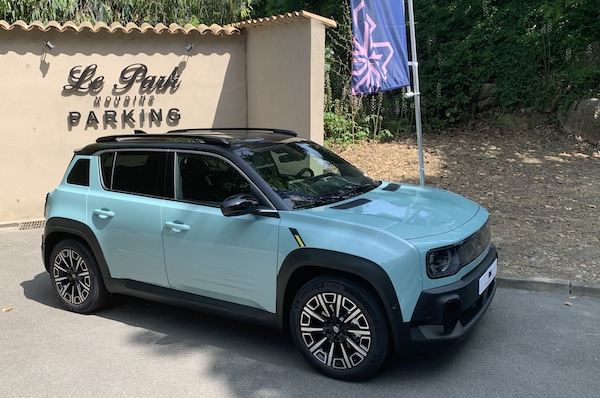
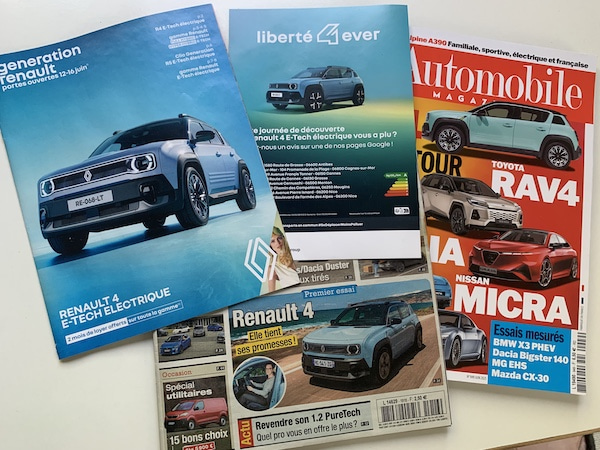
What’s the big deal about the new Renault 4 making waves in France — and why should anyone in Nigeria care? Imagine a car so legendary it drives not just through city roads, but straight back into the hearts of millions. That’s the scene that played out at the lush “Le Park” in Mougins, near Cannes, where Renault unveiled the much-anticipated next-generation Renault 4. As the classic model’s iconic grille meets futuristic electric dreams, there’s an energy in the air you can almost touch — even from this side of the world.
The Reinvention of a Legend: Renault 4’s Electric Comeback
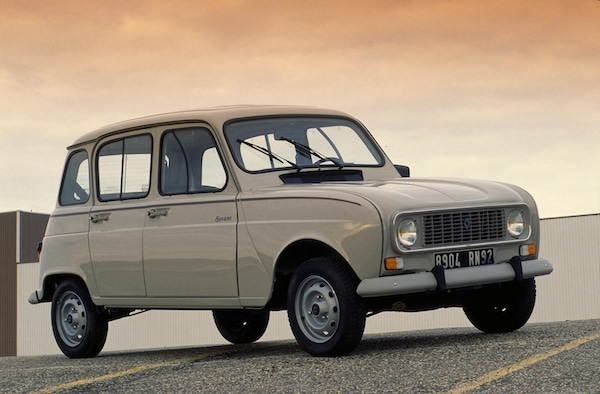 First generation Renault 4, produced until 1993.
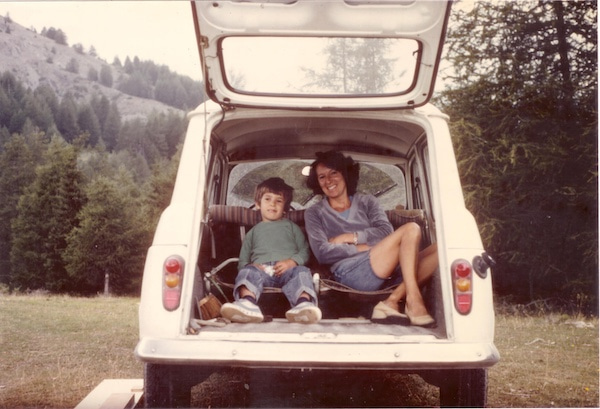 The Renault 4 of my childhood, circa 1983
For many, the original Renault 4 isn’t just another car. It’s the “everywhere-go” wagon of their youth — from school drop-offs to church runs and rolling through muddy rural tracks. According to Renault’s official figures, over 8 million units of the original R4, first launched in 1961, traversed city streets and village roads worldwide before production ended in 1993. In fact, the R4 holds the title as France’s most successful auto design and was, allegedly, the top-selling model ever in Colombia. Heartwarming, abi? For most of us who grew up piling into a single car with all our siblings and the occasional goat for family visits, that practicality hits home.
Design: A Nod to History, Built for Tomorrow
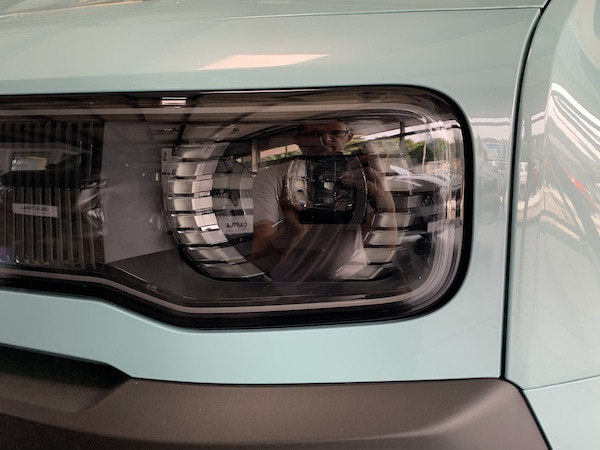
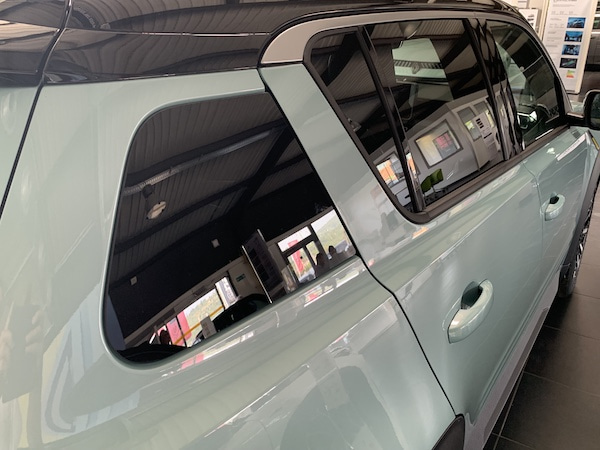
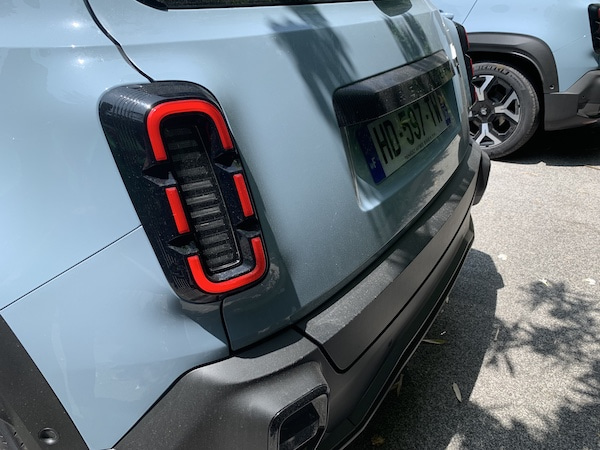 The new Renault 4 takes cues from the original one
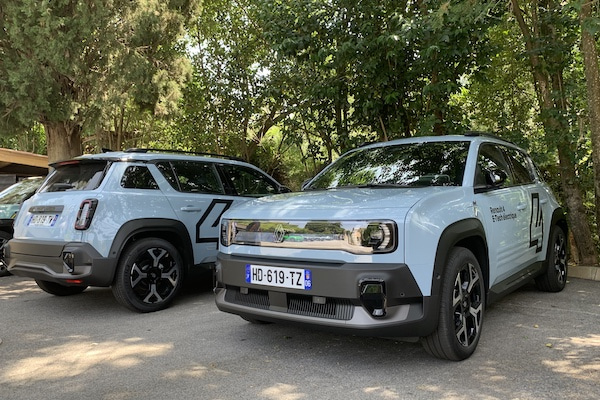
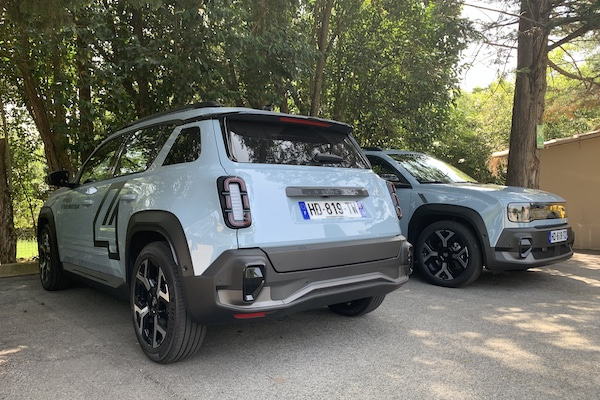
Renault’s new R4 electrifies the past, quite literally. Part of the company’s “neo-retro” battery electric onslaught in Europe, this new model borrows familiar touches — those round headlights, quirky triangular rear window, and the famously low-slung tailgate. These design cues, according to Renault, are a deliberate homage to generations of loyal fans. But don’t make the mistake of thinking this is just nostalgia driving the launch. Built on the same platform as the celebrated R5 EV, the new R4 aims to blend heritage with the “future of driving”—something even Nigerian drivers, battered by bad roads and rising fuel prices, will find intriguing.
With the “One pedal” driving tech (where the accelerator controls acceleration and deceleration), Renault is daring to flip the script on what makes driving fun and efficient, opening a new chapter in city mobility that could fit traffic-laden places like Lagos or Port Harcourt — if electric infrastructure catches up.
Space, Ruggedness, and Local Roads: Can It Survive Nigeria?
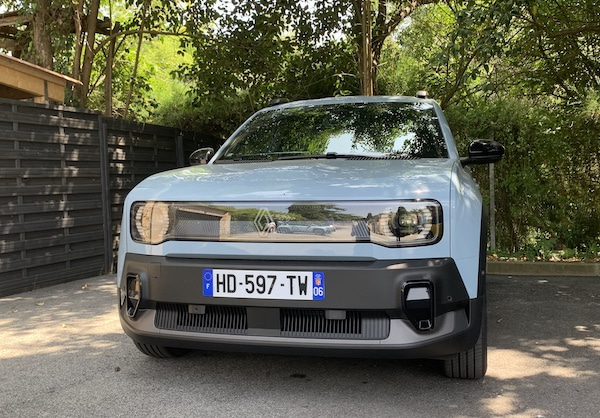
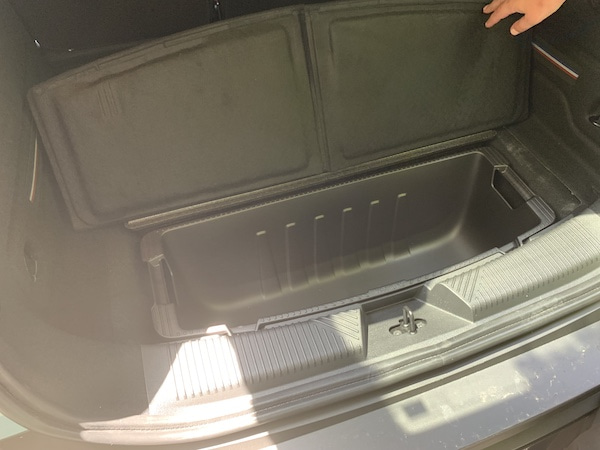
At 4.14 meters in length, 1.80 meters wide, and 1.57 meters tall, the R4 lands halfway between a crossover and a bona fide SUV. Its boxy, upright stance and black bumpers say, “Bring it on,” to potholes and rough patches. Compared with rivals like the Peugeot 2008 and Renault Captur, the R4 is slightly smaller, but still packs enough presence for Nigerian roads, especially with rumours of a potential 4WD variant reportedly in the pipeline. If Renault ever ships this to our shores, you best believe it’ll draw stares from Okada to Range.
Constructed at Renault’s Maubeuge factory in France, with all the key suppliers within a 300-kilometer radius, the new R4’s proud “Made in France” claim is more than a sticker — it’s a case study in local content policies that could inspire our own automotive sector, which is always talking about growing local capacity but still heavily import-dependent.
Pricing and Affordability: The Million Naira Question
Let’s talk numbers. The E-Tech 150 hp Techno model tested reportedly goes for €35,490 in France (before government subsidies). Thanks to various incentives, a typical buyer might pay as little as €31,180, based on income banding and credits. There’s also a more affordable “entry level” at €29,900 (about ₦40 million, using current exchange rates — phew!). For context, a similar Peugeot 2008 GT is even dearer. Will most Nigerians cough up that kind of cash? Unlikely — at least not retail, for now. But with policy tweaks, subsidies, or local assembly, this level of innovation could eventually find fertile ground among fleet buyers or government agencies prioritizing green vehicles in the future.
Range and Charging: Will It Ever Be Practical Here?
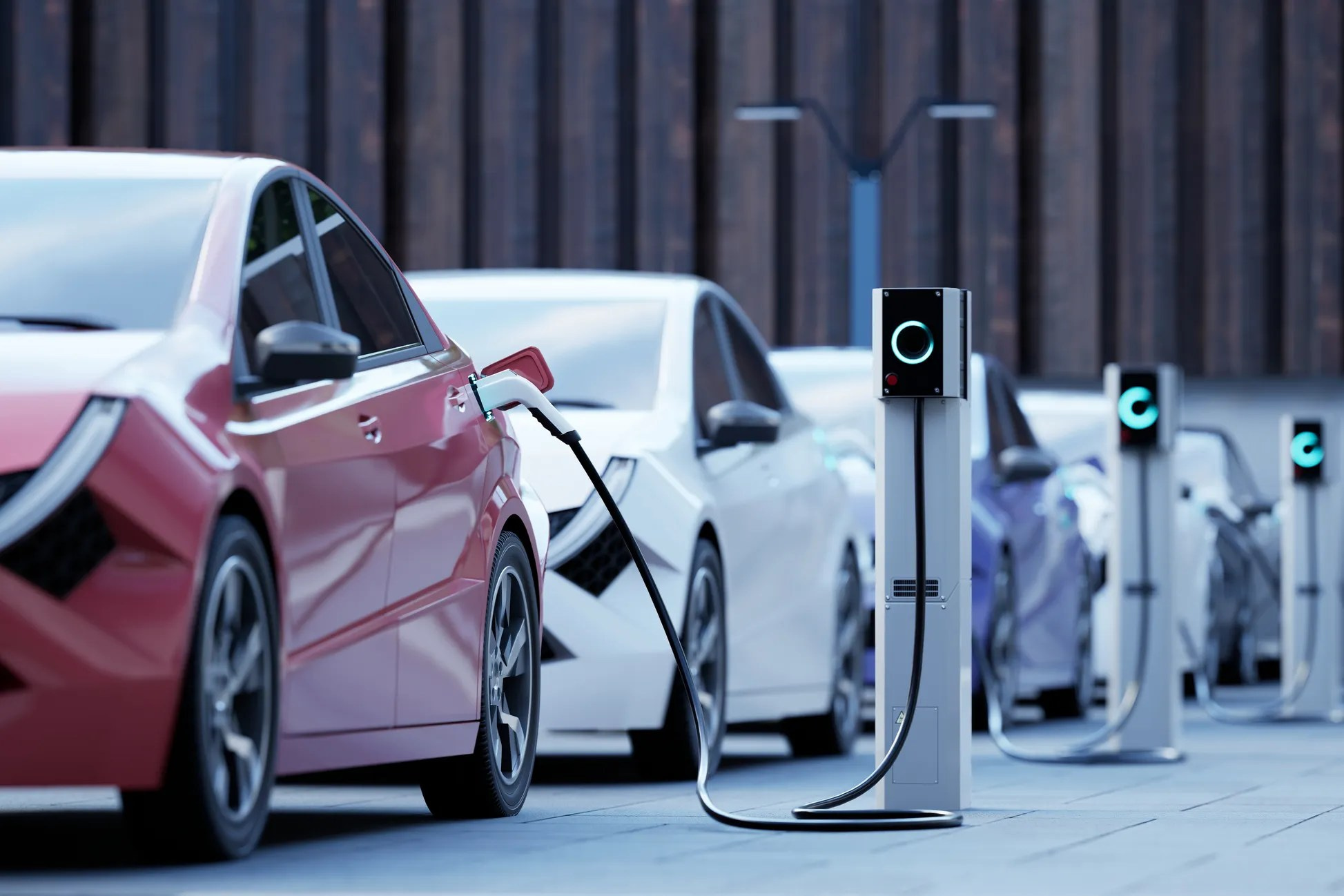
In terms of real-world range, the 52 kWh battery offers up to 410 km on one charge, while the 40 kWh version manages 310 km (per official Renault data). That’s fine for city commutes—certainly enough to get from Ikeja to VI and back twice without breaking a sweat. On highways, the range reportedly drops sharply—a challenge for folks dreaming of driving from Abuja to Enugu in one shot. Charging up from 15% to 80% only takes about 30 minutes, provided you have access to a fast charger—still a pipe dream for most of us, but a step in the right direction.
Interior Tech: Smarter Than Your Average Danfo
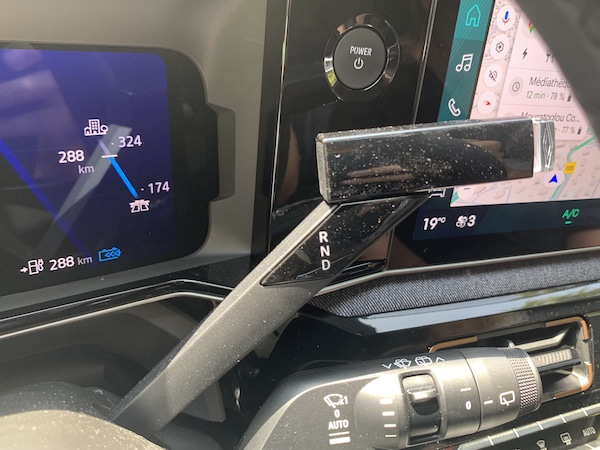 The gear shift is behind the wheel. Notice the range indicators to the left for city driving and freeway
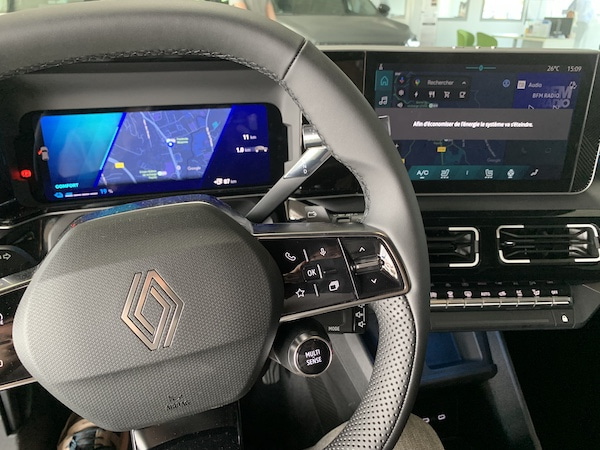
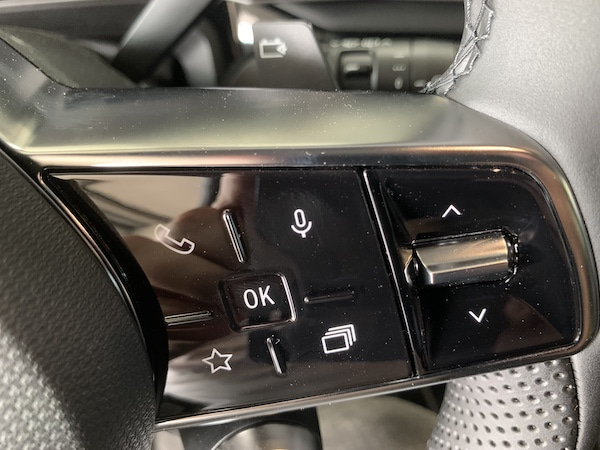
Step inside, and the transformation is eye-popping. The new R4 interior breaks away from the old “rough and ready” vibe to something that can confidently stand beside any modern ride. The dash combines a digital cluster with a generous 10-inch touchscreen, a nod to luxury brands. Physical buttons for the A/C remain (thank goodness), but the biggest talking point is the integration of Google-driven infotainment. This means over-the-air updates, streaming your favorite Nollywood flicks (well, not on the road sha!), and even a personal AI assistant named “Reno.” Drivers can give it all sorts of instructions — from closing windows to planning stops at EV charging points. This, according to Renault, is designed for ultimate convenience and safety. Talk about stepping up the game!
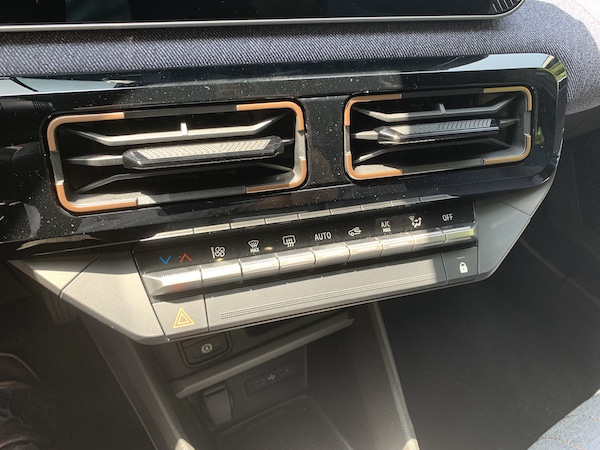 Physical buttons for the air con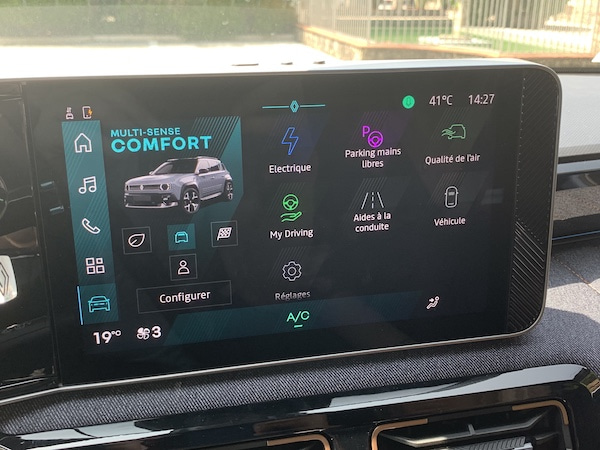
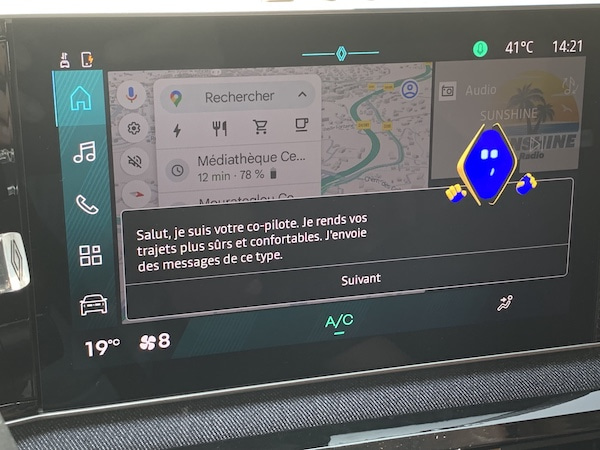 Reno AI assistant
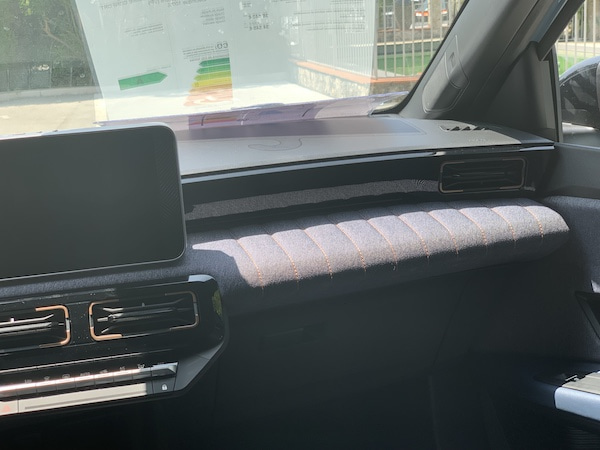
The seats sport a “jeans-inspired” texture on higher trims, adding subtle flair and comfort. It’s clear Renault is targeting folks who want personality in their drive, and not just another soulless commuter box.
Driving Experience: More Than Just Fine, But Any Use on Lagos Express?
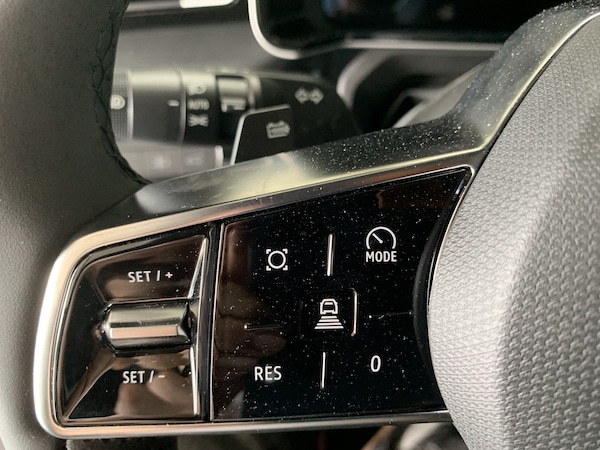
Safety and driver-assist tools are reportedly top-class for this segment: adaptive cruise, lane assist, traffic sign recognition, parking aid, and even automated emergency braking. According to the team at the launch, all these features can be customized at the push of a button — a plus for those who prefer their own driving style. With three drive modes (comfort, sport, eco), the R4 promises to go from “gently does it” to “hold your cap!” in a flash. Even if Nigerian roads still resemble obstacle courses, reports from those test-driving in France say the handling is nimble and the suspension absorbs most bumps with ease. That “one pedal” system takes getting used to, but could make stop-and-go city traffic less stressful.
Can the Renault 4 Electric Succeed in Nigeria?
So, what does all this mean for us in Nigeria? It’s no secret our love for rugged, reliable, fuel-efficient motors runs deep. With fuel prices steadily rising and talks of cleaner mobility gathering steam, the arrival of electric cars like the new Renault 4 could shake up the game. But without robust charging infrastructure, widespread adoption remains a dream — for now.
Still, as automakers weigh Africa’s future, the R4’s bold reimagining offers inspiration. If policymakers prioritize renewable energy, local assembly, and public charging networks, we might see made-for-Nigeria EVs cruising down Third Mainland Bridge before long. As one Lagos-based automotive analyst puts it, “Nigeria can leapfrog straight into clean mobility if the will is there, but government and industry must walk the talk.”
What do you think — would you brave Lagos traffic with an EV like the Renault 4, or are petrol/diesel rides still king? Drop your views below; follow us for updates on cars, tech, and innovation shaping Africa’s roads!
Need support? Reach out at support@nowahalazone.com.
Stay in the fast lane: Follow us on Facebook, X (Twitter), and Instagram for the latest auto stories across Nigeria and Africa!