
E shock you? For the first time in a long while, Africa is witnessing an explosive turnaround in the fight against polio — the dreaded virus that mothers, fathers, and even market women have prayed will vanish from our communities for good.
Omo, according to the latest report from the World Health Organisation (WHO), the number of African countries battling active type 2 poliovirus outbreaks has dropped from 24 to 14 between 2024 and 2025. That’s not just statistics — that’s 10 countries where parents can breathe a little easier, knowing their children have one less threat to worry about.
As the world marked World Polio Day on 24 October 2025, the focus was clear: “End Polio: Every Child, Every Vaccine, Everywhere.” This theme is more than a slogan, abeg. It’s a call to action for every government, health worker, and community leader, urging us to ensure that no child—no matter where they call home—is left behind when it comes to polio protection.
Humble Beginnings to Explosive Progress: Inside Africa’s Polio Turnaround
Remember those days when news about polio outbreaks travelled faster than harmattan fire? People feared for their children, especially in rural and riverine areas. Well, according to Dr. Matshidiso Moeti, WHO Regional Director for Africa, things have changed dramatically. Virus detections reportedly reduced by a shocking 54% between 2024 and 2025.
But wait, e finish so? No be only the numbers dey drop; African countries are showing mad resilience and innovation. From Chad to Ethiopia, our health workers have become the real MVPs, pushing through tough terrains and conflict zones just to ensure children receive lifesaving polio vaccines.
Million-Child March: Immunisation Numbers That Amaze
According to WHO, between January and October 2025, nearly 200 million children in 15 African countries received at least one dose of the polio vaccine. Oya, imagine the dedication it takes to synchronise these campaigns, especially in places with poor road networks, security challenges, and sometimes even scepticism from locals.
To drive this victory, 13 countries conducted joint vaccination campaigns—even targeting high-risk and conflict-torn areas. For example, Djibouti, Ethiopia, Kenya, and Somalia teamed up to reach more than 18 million children in just two rounds. That’s teamwork you hardly see anywhere else! In April, health ministers flagged off a massive drive to vaccinate 83 million children in the sub-region. That kind of collaboration speaks volumes about African unity and determination.
Setbacks No Dey Hide: The Ongoing Challenges
Still, it’s not all rosy. According to Mr Janabi, a WHO official, as of October 2025, two countries reported type 1 cases, 14 reported type 2, and three reported type 3 poliovirus cases. Progress? Yes. But the last mile remains the hardest—as every community health nurse can relate, especially in areas where insecurity and vaccine hesitancy still run high.
Looking closer, Madagascar brought some good news by officially declaring an end to its type 1 poliovirus outbreak in May 2025, thanks to comprehensive response plans and robust surveillance.
Polio Fight: How African Innovation Is Changing the Game
One thing everybody in this polio struggle can agree on—innovation dey game-changer. Our labs are now better equipped, with 11 WHO-supported facilities bolstering their genomic sequencing capabilities, helping track every new virus variant. Six more laboratories have started advanced detection pilot projects, pushing scientific boundaries even farther.
Ever wondered how they monitor the spread? 98% of countries in the WHO African Region now conduct environmental surveillance, monitoring wastewater and sewage for traces of the virus. This means outbreaks can be spotted much earlier, preventing spread before it turns wahala.
E no end there—digital technology dey ginger the fight. Some 850,000 frontline health workers reportedly now get paid through mobile money platforms, improving processes and boosting morale. Geospatial mapping by the WHO Africa GIS Centre is helping health teams trace nomadic communities and reach children that otherwise go unnoticed. Omo, the hustle is real, and technology is making it easier!
The Last Lap: Why “One More Push” Matters
According to Mr Janabi, the “last mile of eradication remains the hardest.” He pointed to declining routine immunisation rates, insecurity, misinformation, and even campaign interruptions as ongoing threats. In his words, countries must now “sustain cross-border coordination, reach zero-dose and under-immunised children, expand surveillance and sequencing, and maintain high-quality outbreak response.”
Health experts like Dr. Aisha Lawal, a senior consultant in public health in Kano, echo this warning: “We’ve seen great improvements, no doubt. But if we tire now, the virus can easily comeback—and all our efforts go waste. Government and the local community must not rest.”
Polio in Plain Language: Why Nigerians Should Care
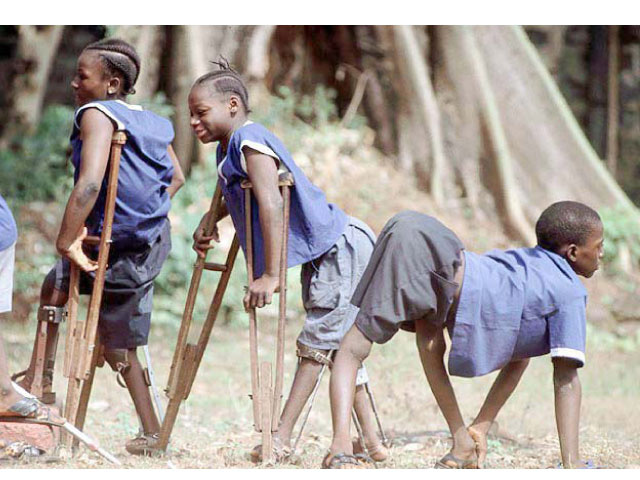
Polio, or poliomyelitis, is a highly infectious disease. It mainly targets children under 5. Just imagine: one contaminated water source, and that virus can invade, attacking nerves and causing paralysis—sometimes even death. There’s no cure yet, but regular vaccination protects every child from this avoidable disability.
- Key Facts: Polio spreads through contaminated food and water.
- Vaccination remains the only reliable form of prevention.
- According to relevant WHO updates, no African country can relax until the entire continent is polio-free for at least three consecutive years (Polio Eradication Initiative).
Over the years, things have improved. According to UNICEF data, the number of reported cases globally has dropped by over 99% since 1988, but as long as poliovirus still reports for work anywhere, no child is safe until all are safe.
Hope, Caution, and the Way Forward
Sincerely, this isn’t just Africa’s fight—it’s a global one. Every win from Kano to Kinshasa reflects a collective commitment centuries in the making. But the menace isn’t over, and according to many experts, this is not the time for anyone to “drop guard.”
WHO is urging governments, donors, and grassroots organisations to double down—commit more money, more manpower, and more local awareness. The promise of a polio-free Africa depends on this last push. Imagine a Nigeria—and an Africa—where children run freely, where “paralysis” is just a word in biology class, not a lived reality.
This is our moment, as Africans, to show the world just how much we can achieve when we unite for a common cause.
What Next?
So, what’s your take? Do you think Nigeria and her neighbours are doing enough to keep polio at bay, or is there more to be done at the local level? Have you seen community vaccination campaigns in your area—did they work for you?
Drop your opinion below and join the conversation. Let’s stand together for a healthier, polio-free Africa!
Have a story about public health, your experience with polio vaccines, or a unique angle on Africa’s healthcare system? We’d love to hear from you! Share your story—or even sell your exclusive scoop—by emailing us at story@nowahalazone.com.
For general support questions or to send us a news tip, reach us at support@nowahalazone.com.
Stay informed and inspired: Follow us on Facebook, X (Twitter), and Instagram for health news, community voices, and more ways to make your voice heard in Africa’s future!