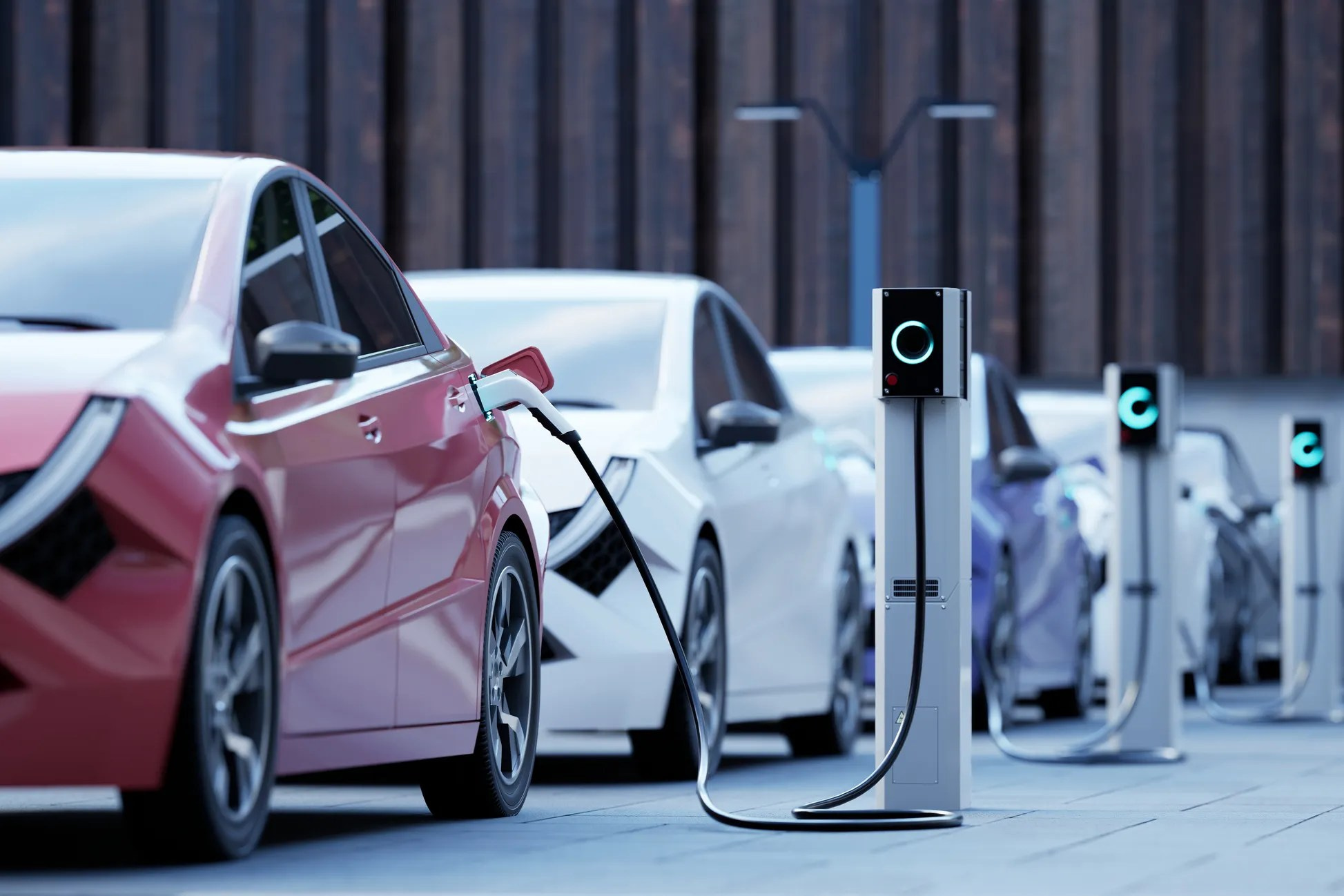

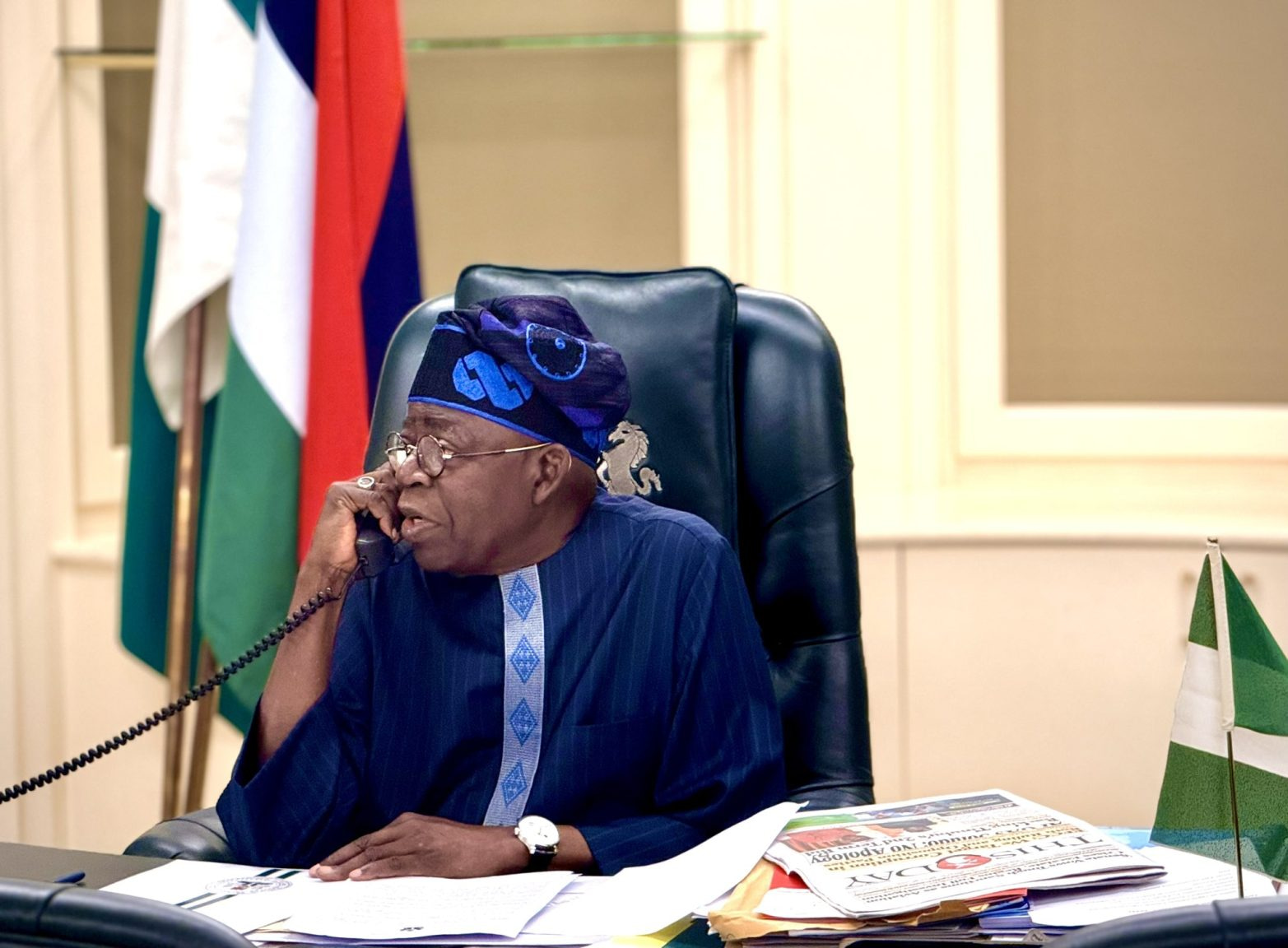
Imagine walking down your street in Lagos or Abuja and overhearing a heated conversation at the local suya spot. People are murmuring, some openly fuming, asking: “How far, how are we supposed to survive if petrol hits ₦1,000 per litre?” That sobering question now sits heavy on many minds after President Bola Tinubu’s government reportedly gave the green light for a 15 percent import duty on petrol and diesel. For a country already tightening its belt, is this the straw that will break the camel’s back?
New Fuel Import Duty: An Unprecedented Move Sparking Widespread Concern
The announcement of this new fuel import duty has set off alarm bells across Nigeria. According to a statement by the African Democratic Congress (ADC), made public through Mallam Bolaji Abdullahi, the party’s National Publicity Secretary, this policy could push millions of already struggling Nigerians over the edge. It’s not just political posturing—there’s real concern on the streets that families, transporters, traders, and even small businesses will bear the brunt of this decision.
- Primary keyword: 15 percent import duty on petrol and diesel
- Related terms: Tinubu fuel policy, fuel price in Nigeria, fuel import tax, energy sector reform
The Justification: Domestic Production or Another Hurdle?
Supporters of the policy argue it’s all about protecting and encouraging local refining. On paper, this makes sense—why keep throwing money at imported fuel when Nigeria has refineries? But reality tells a different story. Nigerians have watched, sometimes in disbelief, as the much-celebrated Port Harcourt refinery rehabilitation—costing a staggering $1.5 billion—crashed just five months after its high-profile relaunch, reportedly resulting in a loss of over ₦366 billion.
According to ADC’s statement, this makes the government’s logic “misplaced.” After all, how can citizens be asked to pay more for fuel when the promised refineries can’t even keep the lights on?
“The ADC is deeply concerned by the recent decision of President Bola Ahmed Tinubu to approve a 15 percent import duty on petrol and diesel. At a time when Nigerians are already ‘suffocating’ under the weight of Tinubu’s Renewed Hope Agenda, this fuel tax is both insensitive and misguided.”
Everyday Nigerians: The Real Victims of Fuel Taxation
Let’s be honest—Nigeria’s fuel price is never just about cars and generators. Petrol costs ripple through every corner of daily life. Mama Nkechi in Mile 12 feels it each time her foodstuff deliveries run late or cost double. Okada riders, keke drivers, and small-scale farmers from Makurdi to Yaba are bracing themselves for a fresh wave of hardship if these price hikes land.
According to the ADC’s warning, this extra burden could soon push fuel prices above ₦1,000 per litre for the first time ever. Remember, this comes hot on the heels of fuel subsidy removal and a naira that has lost value faster than a dropped akara on election day. For many, it’s proof that economic policies might be “trial-and-error” experiments with ordinary Nigerians paying the price.
A Gathering Storm: Wider Economic and Social Impact
Fresh levies on petrol don’t just eat into transport fares; they jack up the price of garri, cement, and even school fees as the cost of moving goods and people spirals. Nigerian SMEs, the backbone of the economy, are already walking a tightrope. “It’s like moving from frying pan to fire,” remarked a Lagos-based businesswoman who supplies cold drinks to mechanics and bus parks. “Just when you think you can manage, something new increases your expenses.”
Behind Government Intent: Economic Patriotism or Panic?
The Tinubu administration defends the new import duty, pledging it will gradually discourage dependence on foreign refined products and boost dwindling government revenues. Some economic thinkers in Abuja suggest that in the long term, these reforms might attract private capital into refineries and stabilize fuel supply. However, the ADC and other civic voices argue policy change should carry a human face. Nigerians, they say, deserve strategy and compassion, not “knee-jerk” taxes.
According to several economic analysts, there is little sense in taxing the population for refinery shortcomings beyond their control. One energy policy analyst noted, “If our own public refineries aren’t working, why not fix the root problem before raising duties on the people’s lifeline?”
Comparative Insight: How Do Other African Countries Handle Fuel Policy?
For perspective, many African countries walk a delicate line on fuel pricing. Ghana, for instance, sometimes cushions consumers with subsidies or price ceilings, especially when inflation bites hardest. South Africans, though not strangers to fuel tax, benefit from relatively transparent price-setting and major state investment in infrastructure. Nigeria’s struggle, however, is made more complex by massive import reliance and refineries running below capacity, if at all.
The ADC’s Demand: Roll Back the Import Duty, Put People First
At the centre of this storm is a clear demand: the ADC is urging President Tinubu and his cabinet to reverse the 15 percent import duty without delay. They stress that truly sustainable reform must put citizens’ wellbeing first.
Their reasoning is blunt: “How do we expect struggling Nigerians to cope when new taxes keep arriving like harmattan dust?” Put simply, the party claims government should fix what’s broken—run the refineries, reform the energy sector—and lighten the load for millions living “from hand to mouth.”
- Key Points:
- ADC says levy could see petrol exceed ₦1,000/litre
- Port Harcourt refinery shutdown undermines local refining argument
- Small businesses, transport, and low-income families most affected
- Policy “insensitive,” prioritizes revenue over people, party alleges
Balancing Growth and Welfare: What’s the Way Forward?
Trying to grow an economy by cutting deeper into household budgets is like borrowing water from a leaking bucket. Reforms can spark growth, but forcing ordinary citizens to shoulder the full weight, without safety nets, remains controversial. As Nigeria’s policymakers debate, experts remind us: economic patriotism shouldn’t mean forcing people to “tighten their belts” until there’s no belt left.
Voices from the Streets: Nigerians Speak Out
Ask around Agege, D-line, or Sabon-Gari, and you’ll hear the frustration. A taxi driver in Port Harcourt described the feeling as being “caught in a rainstorm without umbrella.” On social media and at markets, the complaints echo—fuel policy shifts have real impact, not just on statistics, but on stomachs, pockets, and hope.
Despite government assurances, skepticism runs high. Civic groups and opposition parties insist on transparent dialogue and people-centric planning, not just paperwork out of Abuja. According to a Kano-based economist interviewed for context, “People need assurance that these sacrifices will bring relief, not endless hardship.”
Conclusion: What Lies Ahead for Nigerians?
Nigeria stands at a crossroads where each economic decision has a direct, and sometimes painful, footprint on daily life. The 15 percent import duty on petrol and diesel is more than a policy—it’s a test of government’s resolve to protect the vulnerable, steer the economy wisely, and build genuine public trust. Will the government listen to the concerns and roll back the duty, or press on in the name of reform? Only time, and the will of the people, will tell.
What are your own experiences with rising fuel prices and recent economic changes? Do you think government reforms are hitting the right targets, or are ordinary Nigerians left to bear the pain?
Speak your mind! Do you have a tip, opinion, or story about how these new fuel taxes are affecting your community? We want to hear your unique angle.
- Share your story or sell your perspective – email us at story@nowahalazone.com
- For support, feedback, or media inquiries, write to support@nowahalazone.com
- Stay updated and join the discussion on social:
Facebook |
X (Twitter) |
Instagram
Your voice, your wahala—let’s spotlight what matters to real Nigerians. Share and let’s keep the conversation alive!