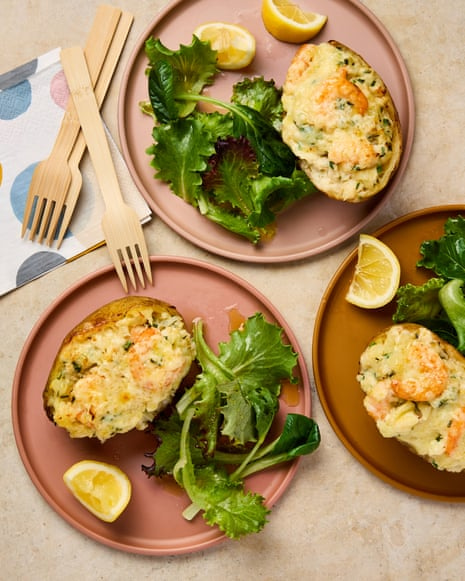

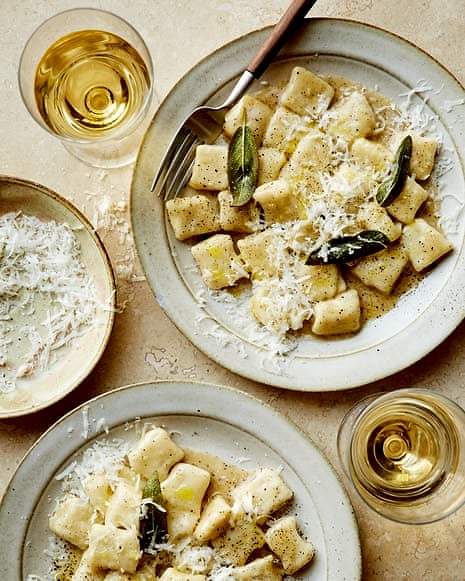
When it comes to comfort food loved across cultures, there’s something universally satisfying about potatoes. In Nigeria and much of West Africa, we’re more familiar with yam, sweet potatoes, and Irish potatoes, often used in staples like yam porridge, fried potatoes, and stews. But have you ever imagined giving leftover baked potatoes a fresh, delicious West African spin with an Italian favourite: gnocchi? If you ask Lagos-based chef Temitope Adedayo, “Experimenting with simple ingredients opens up a world of creative opportunities for African kitchens.” Let’s explore how a fusion of Italian gnocchi and Nigerian-style resourcefulness can lead to a unique and satisfying dish fit for any family gathering.
Parmesan and Sage Jacket Potato Gnocchi: West African Kitchen Edition
Prep 10 min
Cook 30 min+
Serves 4
Ingredients:
- 2 leftover baked potatoes or 2 large Irish potatoes (roughly 550g)
- 2 tbsp olive oil (or groundnut oil as local alternative), and extra for greasing
- 1 large egg
- Sea salt and black pepper
- 100g plain flour (plus extra for dusting; substitute with cassava or yam flour for gluten-free option)
- Nutmeg (optional, but recommended for flavour depth)
- 40g unsalted butter, cut into cubes
- 2 big sprigs fresh sage (or use scent leaf for a Nigerian touch)
- 1 garlic clove, smashed
- 30g parmesan cheese, finely grated (aged wagasi or suya-spiced cheese for a twist)
- ½ lemon (for juice)
Background
While gnocchi is traditionally Italian, the spirit of reinventing leftovers suits West African households, where food waste is minimised and creativity is alive in the kitchen. According to culinary historian Dr. Amaka Okoye, “Transforming simple ingredients and leftovers is core to African cooking, from efo riro to jollof rice.” Baked potatoes are common in urban Nigerian homes, especially around festive seasons. Using what’s left after a Sunday roast or party platter, home cooks can whip up gnocchi that’s light and silky, avoiding the dense texture of most imported, vacuum-packed brands.
Step-by-Step Gnocchi Preparation with a Local Twist
1. Prepare Your Potatoes
If starting with raw potatoes, heat your oven to 200°C (180°C fan)/390°F/gas mark 6. Prick each potato all over and rub lightly with olive oil or groundnut oil. Place on a small tray and roast for about an hour to an hour and 10 minutes, or until a fork slides in easily. For those using leftover potatoes, simply reheat in a microwave or inside a pot with a dash of water to soften.
Once the potatoes are still warm (but cool enough to handle), remove the skins. You can use a potato ricer for the smoothest mash, but in the absence of that – which is common in Nigerian and Ghanaian homes – a regular fork or mortar and pestle does the trick. You want 275g of soft, lump-free mashed potato.
2. Make the Dough
Create a small well in the centre of your mashed potato and break in the egg. Season generously with salt and black pepper. Using a fork, beat everything together. Sift in 90g of flour and add a sprinkle of nutmeg (go light – too much will overpower). Begin kneading just until you have a soft, smooth ball – if it’s sticky, dust in the extra flour bit by bit. Try not to overwork the dough so your gnocchi stays light and pillowy, unlike heavy imported varieties.
Turn your dough out onto a floured surface, divide in half, and roll each section into a long rope, about the width of a thumb. Cut into 2.5 to 3 cm pieces. If you want, press a fork gently into each piece to add ridges; this isn’t just decorative – it helps the sauce cling better!
Sage Butter Sauce with a Nigerian Ingredient Swap
In traditional Italian kitchens, gnocchi is often paired with nutty butter and the herbal kick of sage. If sage isn’t readily available in your market, Nigerian scent leaf (efirin) brings a similar aromatic note and is cherished in dishes like ofada sauce and soups. Combine unsalted butter, olive oil, your chopped sage or scent leaf, and a crushed clove of garlic in a wide frying pan over medium heat. Let everything sizzle gently until the butter starts to brown and the herbs crisp up slightly – the aroma at this stage is incredible and familiar for those who love native vegetable-based sauces.
Cooking and Finishing Touches
Boil a large pan of water, add salt (as if making yam porridge), then drop your gnocchi pieces in. According to food educator Mrs. Naa Ayele in Accra, “When gnocchi floats to the top, you know it’s perfectly cooked, just like watching dumplings in Nigerian ofada soup.” Use a slotted spoon to scoop out the gnocchi and transfer directly into your infused butter pan. Add a splash of their cooking water – this helps achieve that glossy, smooth sauce.
Now, sprinkle in half the grated parmesan (or your local cheese of choice), squeeze in fresh lemon juice, and toss everything together till each gnocchi is coated in silkiness. Taste for seasoning and adjust with more pepper or salt as needed. The aim is a balance of richness from the butter, tang from the lemon, and sharp umami from the cheese.
Serving Suggestions for West African Homes
Gnocchi can be a versatile base in local cuisine. Serve with grilled chicken spiced with suya, a crisp green salad with ugu leaves, or pair as a starter before classic dishes like egusi soup. The neutral taste of gnocchi pairs well with robust, spicy stews, so don’t hesitate to use leftover tomato stew as an alternative sauce.
Some cooks even toss their gnocchi with ground crayfish for extra local flavour. As chef Adedayo suggests, “Try stir-frying cooked gnocchi with ata rodo (scotch bonnet peppers) and green onions for a spicy twist.”
Nutritional Value and Local Impact
Potatoes offer accessible, affordable energy for Nigerian families, rivaling yam or cassava in versatility. Gnocchi made from potatoes provides complex carbohydrates, some protein from the egg, and micronutrients like vitamin C. Grating in local cheese or scent leaf boosts both flavour and nutrition. For gluten-intolerant households, yam or cassava flour works as a satisfying substitute, reflecting an increasing trend of gluten-free cooking in Lagos and Abuja.
Experts note the environmental benefits of reducing food waste by using leftovers creatively, a practice long adopted in Nigerian and Ghanaian kitchens. The United Nations Environment Programme (UNEP) emphasises reducing food waste as a key strategy for food security across Africa.
Balancing Trends: Imported vs Homemade Options
While imported pasta and packaged gnocchi are available in African supermarkets, they are often much heavier and less appealing than fresh alternatives. “The difference is massive – fresh, homemade gnocchi is in a class of its own, soft and light,” says food critic Chidi Nneji. Homemade alternatives can be more affordable, free from preservatives, and adapted to suit local tastes using familiar herbs and spices.
Challenges and Tips for Perfect Gnocchi
Getting the texture just right is all about not overworking the dough and using just enough flour. If the dough gets too sticky, add a bit more flour – but don’t overdo it to avoid dense results. Local home cooks may not have special kitchen tools, but with a fork and clean hands, perfect gnocchi is possible. If unsure, start with a small batch and scale up once you get comfortable. “Practice makes perfect – I failed at first, but my family couldn’t get enough of it when I got it right!” shares Bukola Olawale, a home cook in Ibadan.
Global Connections and Closing Thoughts
The merging of traditional Italian recipes with Nigerian and broader West African ingredients is part of an ongoing global conversation about food innovation and sustainability. Whether you’re a student looking to impress friends with something new, or a mother in Port Harcourt seeking to stretch groceries further, jacket potato gnocchi offers a unique blend of nutrition, frugality, and flair. Why not make it a weekend project or a fun way for the family to bond in the kitchen?
Have you tried blending imported and local styles in your cooking, or do you have tips for reducing waste in the kitchen? What’s your view on making international recipes your own with West African substitutes? Drop your thoughts below and follow us for the latest food inspiration!
Got your own fusion recipe, kitchen hack, or food story to share? We love celebrating creative Nigerian and Ghanaian cooks! Email your food stories or recipes to story@nowahalazone.com—your story or recipe could be featured on our platform.
For inquiries or general support, reach us at support@nowahalazone.com.
Connect with our community and never miss a tasty update—follow us on Facebook, X (Twitter), and Instagram. Your kitchen stories could inspire our next article!