
Parcheese lovers and creative home cooks across Nigeria and West Africa are constantly searching for ways to reduce kitchen waste and get more value from everyday ingredients. One humble treasure often overlooked is the parmesan cheese rind—an item that, despite its tough appearance, holds the secret to transforming simple meals into culinary delights. Far more than just a scrap, the rind acts like a rich, umami-packed stock cube, infusing stews, sauces, and rice dishes with a savoury depth and creamy texture reminiscent of restaurant classics. When stored carefully in a fridge or freezer, it can keep for months, making it a smart ingredient for any zero-waste kitchen.
Creamed Corn Orzo: A Thrifty West African Twist on Comfort Food
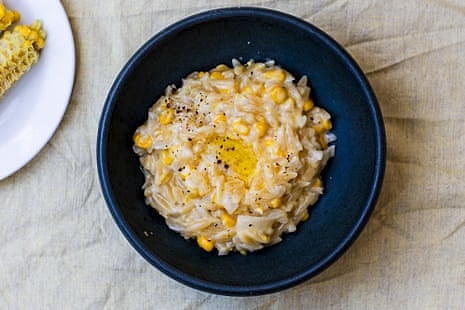
Sometimes, the best meals come from a moment of inspiration—or necessity. Many Nigerian households know what it’s like to rediscover a half-used pack of pasta in the cupboard and wonder what new dish can be created. For this recipe, we take inspiration from global kitchens but add a local, practical twist that suits West African markets and tastes: creamed corn orzo. This budget-friendly, creamy pasta is not only comforting and satisfying but shows how traditional kitchen wisdom, like using the whole corn cob and parmesan rind, can deliver a warming meal for two.
In Nigeria and Ghana, fresh corn is a beloved seasonal crop, often roasted and enjoyed by the roadside or cooked into stews. Corn’s seasonality is similar to delicacies like new yams—it is fleeting and best enjoyed fresh. This recipe ensures nothing goes to waste by using the kernels, starchy pulp, and even boiled cob to form a homemade corn stock, drawing every bit of flavour from this versatile crop. Abuja-based food blogger Chidinma Obieze notes, “Corn is so dear to our hearts, especially in the rainy months. Using the whole cob is a great way to respect our food and our budget.”
Serves 2 generously
Ingredients:
- 1 fresh corn cob
- 50g butter (or Nigerian margarine)
- 1 medium onion, peeled and finely chopped
- 2 garlic cloves, peeled and roughly chopped (can substitute with scent leaf for a local aroma)
- 250g orzo (or “risoni,” a rice-shaped pasta; alternatively, try broken spaghetti or Acha [fonio] for a local twist)
- 40-50g parmesan rind—scrape and reserve any cheese left for finishing
- 100ml double cream (optional; evaporated milk or coconut cream also work)
- Salt and black pepper to taste
- Extra-virgin olive oil, for a finishing touch (or local groundnut oil for a West African taste)
Local Preparation Tips and Substitutions
- If parmesan is scarce or expensive, try using hard, matured wagasi (local cheese from northern Nigeria or Benin), or an aged cheddar available at supermarkets in Lagos and Accra.
- The recipe can be made without pasta, substituting fonio, millet, or even cooked rice for a uniquely regional dish.
- In rural homes where cream is rare, blend fresh coconut flesh with a bit of water to make a creamy base that works harmoniously with corn.
- For a fully local touch, add sliced ugwu (pumpkin leaf) or basil for colour and nutrition toward the end of cooking.
Step-By-Step Instructions: Getting the Most from Your Corn
1. Begin by standing the corn cob on its end and slicing away the kernels in long strips. Place the kernels in a bowl.
2. Next, break the empty cob into pieces by hand. Hold the cob over a separate bowl and use the back of a spoon to scrape out the starchy, milky pulp—this step pulls out natural sweetness and body from the cob.
3. Put the spent cobs into a saucepan with about 750ml water. Bring this to a boil, then reduce the heat, cover, and let it simmer gently for 15-20 minutes. You’re creating a corn stock—valuable for soups beyond this dish.
4. In a separate large pan, melt butter (or margarine). Add chopped onion and garlic, cooking gently on medium-low heat for about five minutes until translucent and fragrant.
5. Stir in the fresh corn kernels and the orzo, sautéing for three minutes so the pasta starts to toast and the corn gets a bit golden.
6. Add the parmesan rind, a splash of double cream or coconut milk (if using), and all of the reserved corn pulp. Stir well, allowing the flavours to blend. Cook for about two minutes while gently stirring to prevent sticking.
7. Strain the hot corn stock directly into the orzo pan, discarding the cobs. Bring to a gentle boil, lower the heat, and simmer uncovered for approximately seven minutes. Stir frequently until the orzo is just al dente and the sauce is creamy and loose—add extra water if it thickens too quickly.
8. Season to taste with salt and pepper. Finish with another small knob of butter and sprinkle with your reserved cheese shavings or wagasi crumbs. For a Nutty West African twist, drizzle with groundnut oil to finish.
Nutritional Benefits and Nigerian Adaptations
Corn is widely enjoyed across Nigeria and Ghana. Fresh corn delivers fibre, B-vitamins, and antioxidants, especially when combined with a variety of vegetables and proteins. Using all parts of the cob respects the West African tradition of “waste not, want not,” echoing how yam peels or plantain skins are sometimes repurposed for animal feed or compost.
Chef Josephine Owolabi, from Ibadan, shares, “Many families in Nigeria are learning to embrace recipes that stretch their budget and avoid waste. Recipes like these use seasonal produce creatively and fit our preference for bold, rich flavors.”
Global Inspiration, Local Relevance
Across Italy, the tradition of using parmesan rinds to enrich soups and stews has been passed down for centuries. With the rising cost of living in Nigeria and Ghana, more people are turning to similar zero-waste methods to maximize every ingredient. This recipe not only stretches what’s available but delivers the hearty comfort many Nigerians crave, especially during the rainy season when warming, filling meals bring families together.
The creamy corn orzo’s easy preparation, flexible ingredient list, and satisfying texture make it ideal for busy midweek meals or weekend family gatherings. Its base can even be adapted to local tastes by adding smoked fish, spicy suya, or dried crayfish, linking even stronger to classic West African comfort foods. For vegetarians, omitting meat or fish still guarantees a full, balanced flavour thanks to the cheese and corn.
Considerations for Cost and Access
Access to parmesan and orzo may still be limited in some parts of West Africa, but this recipe encourages adaptation and creativity. “Nigerians are some of the most resourceful cooks in the world,” says Lagos-based culinary educator Ahmed Suleiman. “Whether you use imported cheese or your own fermented local cheese, the principle is the same: nothing should go to waste in our kitchens.”
When shopping in Nigeria’s major markets from Mile 12 to Bodija, you can find fresh corn during the season for as little as ₦200 a cob. Cheese scraps may be sourced from supermarkets, local cheesemakers, or as part of a community sharing system. Substituting expensive ingredients with local produce not only keeps costs low but supports local food systems.
Why Embrace Zero-Waste Cooking in West Africa?
Surging food costs and the challenges of climate change mean every bit of produce needs to be used wisely. By learning to cook with so-called scraps—be it cheese rinds, yam ends, or plantain tips—households can save hundreds or thousands of naira yearly. Environmental advocates and nutritionists also recommend this approach to reduce landfill, cut emissions, and improve food security.
Zero-waste kitchen habits are more than a global trend; they are rooted in the wisdom of our elders and communities. In every region—from Lagos to Accra, from Aba to Tamale—resourcefulness has long been our culinary strength.
Ready to Try This Comfort Classic?
Creamed corn orzo demonstrates that even the simplest ingredients, handled thoughtfully, can produce satisfying and memorable meals. The real lesson goes beyond the plate: with a bit of imagination and an open mind to diverse flavours, Nigerians and West Africans can continue to lead the way in smart, sustainable cuisine.
Will you try your own version with local twists? Would you use wagasi or coconut milk in place of the classic Italian ingredients? Share your story below—your version might inspire fellow readers!
Curious to see what others are cooking up, or want to swap culinary secrets? Drop your thoughts in the comments below and follow us for more food inspiration on Facebook, X (Twitter), and Instagram.
What’s the most creative meal you’ve made from leftovers or kitchen scraps? Let us know in the comments—and don’t forget, if you have a food story to share or want your recipe featured, send us an email!