
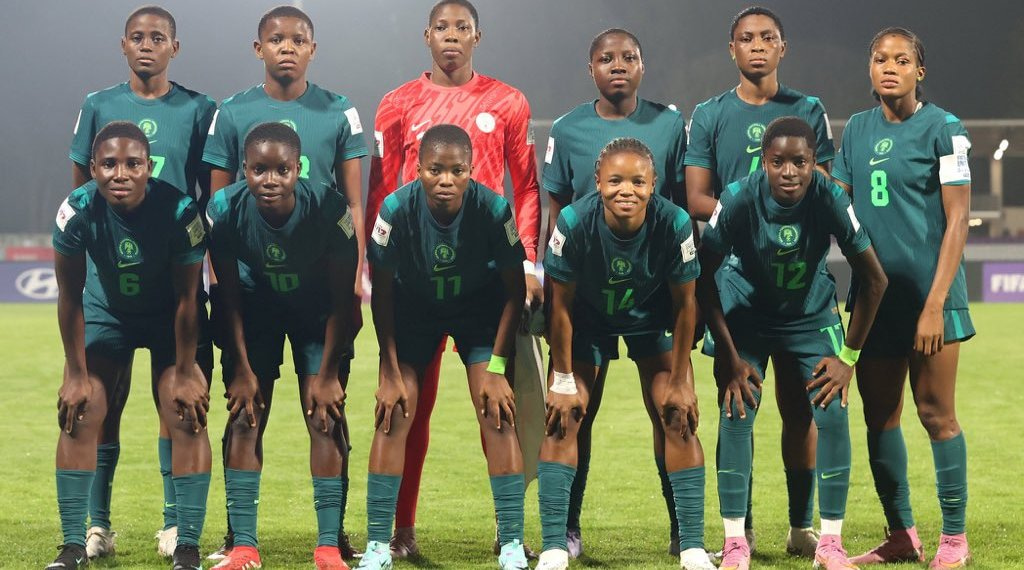
What happens when a nation’s football dream faces an explosive test on the global stage? In a dramatic turn at the FIFA U17 Women’s World Cup, Nigeria’s Flamingos, previously cheered across viewing centers from Abuja to Lagos, found themselves up against an unstoppable Italian side, crashing out after a stunning 4-0 defeat. This result exposes not just the highs and heartbreaks of women’s youth football, but also the fierce drive for recognition that pulses through every young Nigerian team representing the green-white-green.
Nigerian Hopes Dashed: Can the Flamingos Bounce Back?
For many supporters back home, the Tuesday clash felt like watching a beloved Nollywood plot twist unfold – hope by the bucketload, tension in the air, and an unpredictable ending. The Flamingos, who seized a bronze medal in the last tournament, arrived determined to silence doubters and prove that their Round of 16 berth was not by mere chance. According to analysts at the National Institute for Sports, this match served as a measuring stick for Nigeria’s progress in grooming future football stars. Yet, despite their doggedness, Italy’s clinical display ensured the story would not favour the home side’s faithful fans – at least this time.
Right from kickoff, Nigeria’s girls played with heart and hustle, determined to fly their flag high. Captain Shakirat Moshood nearly set the stadium alight midway through the first half. Her blistering left-footed effort, described by observers as “ferocious,” was inches from glory before Italian goalkeeper Matilde Robbioni, in a move worthy of global highlight reels, produced a decisive save.
Turning Point: Big Moments, Big Lessons
Still, football can be a game of inches and instant heartbreak – and just before the halftime whistle, a piece of Italian brilliance upended Nigeria’s balance. Anna Copelli, with the sort of composure you’d expect from a player twice her age, deftly maneuvered through the Nigerian defence. With a final flourish, she slotted home the opener past goalkeeper Sylvia Echefu. For the supporters back at home – some glued to tv screens at local bars, others huddled in living rooms – the silence was heavy, but the dream was still alive. “We believed they would turn it around second half,” shared Femi, a die-hard fan from Surulere.
Nigeria’s fighting spirit nearly paid off after the break, sparking excitement across the country. Nguemo Terlumun looked to have drawn the game level after connecting with Queen Joseph’s determined push inside the box. Cheers erupted, only for VAR to intervene – with the goal disallowed because Joseph had allegedly kicked the ball out of Robbioni’s hands. “Football can humble you,” remarked Lagos-based coach Ndidi Okorafor, “but these are the moments where lessons are learned.”
Italians Seize the Day: Youthful Promise Meets World-Class Execution
With the game finely poised, the Azzurrine showed clinical efficiency, turning slim opportunities into goals. Caterina Venturelli stunned Nigeria with a powerful long-range strike, sending the ball sailing over Echefu and into the back of the net with pinpoint precision – a move some local analysts called “an instant classic.” That goal, barely three minutes after Nigeria’s heartbreak, broke the dam open. Giulia Robino added a third in the 63rd minute, exploiting the shaken defense, while Rachelle Giudici’s late effort was confirmed by Video Support Review for Italy’s fourth – removing any remaining doubt about the game’s outcome.
According to FIFA’s official match report, Italy’s incredible four wins out of four matches established them as one of the standout teams of the competition. Meanwhile, Nigeria was left to reflect on what might have been and prepare to rebuild with an eye on future tournaments.
Why This Defeat Resonates Beyond the Pitch: Nigerian Youth Football’s Tough Lessons
For supporters and football insiders alike, defeats like this aren’t just about missed trophies. They are a mirror reflecting both the progress and the remaining gaps in grassroots football development across Nigeria. As Dr. Tunde Akinleye, a sport development expert, explained, “The Flamingos’ journey at this World Cup shows our girls can compete with the world’s best. But to regularly win at this level, we need more investment in training, facilities, and opportunities for early exposure.”
Young athletes, particularly girls in communities from Ibadan to Maiduguri, watch the Flamingos for inspiration. Even in defeat, the team’s journey sparks hope, showing that dedication and unity can put Nigeria on the world map. The joy, pain, and lessons are all stepping stones for a brighter future.
Comparative Analysis: Nigeria’s U17 World Cup Performance in Global Context
The Flamingos’ exit at the Round of 16, after a bronze finish in the 2022 FIFA U17 Women’s World Cup, puts their journey into context. Historically, Nigeria has been a continental force in women’s youth football, but bridging the gap to consistent global dominance proves challenging. Ghana and Cameroon have also faced similar hurdles, often excelling on African soil but finding the global stage a sterner test. This result fuels debate among fans and experts about how to close the gap with powerhouses like Italy, Spain, and Germany, who reportedly invest heavily in youth academies and player welfare.
Some fans, like Maryam in Kano, pointed out: “Our girls showed grit. What we need now is to ensure they get regular competitive matches on the continent and abroad.” Others note that improved coaching and mentorship programs could help the team weather tough international matches more readily.
Local Reactions: Pride, Pain, and the Unyielding Nigerian Spirit
Across the country, reactions have been a blend of pride and longing. Social media buzzed with hashtags supporting the team, while some seasoned pundits emphasized that setbacks are part of every sporting journey. A coach in Enugu stated, “No be today Nigerian football start to face wahala, but make we no forget – na from these ashes we dey rise.” For many, the girls’ determination outweighs the disappointment, and the focus will quickly shift to nurturing the next generation of stars.
Looking Ahead: Will the Next Generation of Flamingos Soar Higher?
As the dust settles on this tournament, discussions are already shifting to what needs to be done differently. Should the Nigeria Football Federation prioritize longer training camps, international friendlies, or revamped local leagues? According to a recent UNICEF report, investment in youth sports creates pathways for empowerment, particularly for girls in Africa. For the Flamingos, every defeat is a lesson, every lesson a building block for future victory.
Key Takeaways:
- Nigeria’s Flamingos exited the 2024 FIFA U17 Women’s World Cup after a 4-0 loss to Italy.
- The match highlighted both progress and growing pains for Nigerian youth football.
- Experts recommend increased investment in grassroots training and player development to close the global gap.
- Despite the setback, the team’s journey continues to inspire young girls nationwide, serving as a powerful rallying point for future ambitions.
What’s your view on the future of Nigeria’s youth football? Should we be doing more as a nation to support the Flamingos and other promising athletes? Drop a comment below and share your thoughts. For the latest sports stories, inspirational journeys, and expert analysis, be sure to follow us!
Do you have a sports story, exclusive tip, or want to share your personal football journey? We want to hear from passionate fans, insiders, and aspiring athletes! Email us at story@nowahalazone.com to get your story featured or discuss selling your exclusive sports content.
For general support, reach us anytime at support@nowahalazone.com.
Stay in the know—join our sports community! Follow us on Facebook, X (Twitter), and Instagram for up-to-the-minute updates and lively conversations with fellow fans!