
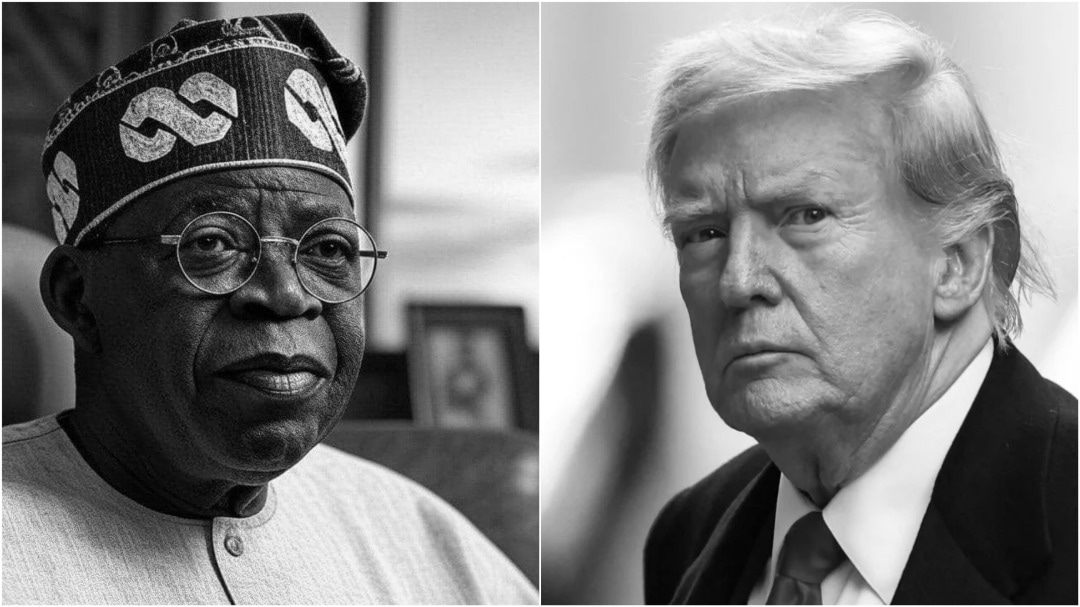
Is Nigeria’s violence really about religion, or is there a deeper, more tangled story lurking beneath the headlines? If you ask some international observers, especially following the Trump administration’s decision to add Nigeria back to its “Countries of Particular Concern” for religious freedom violations, the answer seems simple: Christians are reportedly under siege, facing what some label as an ongoing genocide. But speak with Nigerians living through this turmoil—from Benue to Plateau, Kaduna to the heart of the North-East—and you’ll hear a much more complicated and painful story. This is not just a fight over faith. It’s an explosive collision of histories, resources, power, and climate, all wrapped up in everyday struggles.
The Shocking Truth: Framing Nigeria’s Crisis as Purely Religious Misses the Mark
Let’s not deceive ourselves—seeing Nigeria’s cascade of violence as a neat religious showdown is like using a teaspoon to measure the Atlantic Ocean. When you dig beyond the headlines, what you find is a mesh of economic hardship, old wounds, shifting climate, and political chess games. It’s the kind of complexity that no “breaking news” can capture.
One fact Western narratives often gloss over? The violence does not pick sides as neatly as outsiders think. While attackers may sometimes claim a Muslim identity, both Christians and Muslims have found themselves at the receiving end. Imagine a tragedy so deep it touches everyone, no matter their faith. That’s the reality for countless families in communities like Zamfara or Southern Kaduna.
Inside Story: How Fights Over Land, Water, and Power Fuel the Flames
True, targeted sectarian attacks against Christians by Christians are exceptionally rare in Nigeria, often occurring only in random outbursts. On the flip side, cases of Christian-on-Muslim violence, though extremely brutal when they do flare up, are typically a reaction to communal disputes or protests gone awry—never a coordinated crusade.
Then we come to the Fulani herders versus farmers crisis, typically painted as religious but actually rooted in sharp competition over ever-shrinking land and water. It’s a rivalry that gets nastier each time fields dry up and herders push further south, searching for green pastures as Sahara sands creep downward. According to a report by the International Crisis Group, climate change has squeezed already tight resources, amplifying violence that was once managed by dialogue and compromise.
Na so e be—you can’t throw all these problems into a box and label it “religion.” In places like Benue and Plateau, the ethnic, economic, and even colonial roots of the strife run just as deep as any church or mosque foundation. Some local analysts argue that grievances date as far back as the 1914 colonial amalgamation, when unfriendly neighbours, who barely shared a language, woke up to find themselves told they were now one country. Since independence, competition for government largesse and political relevance has fanned these rivalries into roaring flames.
When oil was discovered in the Niger Delta, it shifted wealth and power southwards, creating fresh resentment up north. Decades of military coups, corruption, and political exclusion further widened the North-South gulf—factors every ordinary Nigerian can relate to, whether you’re hustling in Lagos or farming in Sokoto.
Why Nigeria’s Violence Defies Simple Solutions
Fast forward to 1999, when Nigeria returned to democracy. Instead of healing wounds, politicians discovered that whipping up ethnic and religious tension could secure votes and silence critics. The introduction of Sharia law in some northern states between 1999 and 2002 added extra fuel, as leaders leaned into polarising rhetoric to distract from their failures.
Meanwhile, environmental catastrophe unfolded. Lake Chad—once the pride of the region—has shrunk by over 90% since the 1960s according to the United Nations. With farmlands turning to dust, Fulani herders and farmers clash repeatedly, each desperate to protect their families and way of life. The violence is no longer straightforward; it has mutated into ethnic, religious, and even criminal dimensions.
Boko Haram’s rise since 2009 has only muddied the waters. While often described as a religious insurgency, its roots dig deep into poverty, unemployment, and neglect by both traditional and political leaders in the North. According to Amnesty International, more Muslims than Christians have fallen victim to this terror, yet the “Muslim extremists targeting Christians” narrative remains stubborn abroad.
Criminal Gangs, Political Interests, and a Cycle Without End
Here’s where things get really tangled: criminal gangs now exploit the chaos for profit, turning kidnapping for ransom into a booming business. According to a Kaduna-based security analyst, “These armed groups don’t care about your tribe or your faith—they just want your money.” Allegedly, some politicians have even been accused of sponsoring violence for political headway. Weapons from war-torn Libya and Chad cross our porous borders, making peace harder to grasp than a mist on a hot afternoon.
Who’s attacking whom, and why? Is it revenge, politics, religion, grazing rights, or something else? Often, it’s all of the above. Even victims and their communities sometimes struggle to separate motive from opportunity, as “reprisals” breed endless cycles of pain.
Why Ordinary Nigerians Feel Trapped in a Vicious Circle
Our security forces try, but let’s be honest, they face their own challenges—sometimes divided along these same religious and ethnic lines. Traditional dispute resolution, once the pride of many local communities, can hardly cope with today’s scale of violence. Across Nigeria, people tell similar stories: Christians lament destroyed churches; Muslims mourn burnt mosques; herders and farmers alike count the cost in lives and livelihoods lost. Each group, wounded and suspicious, recites its own litany of suffering.
This climate of mutual blame has led, according to some observers, to a destructive game of “competitive victimhood.” Instead of building empathy, each side weaponises its pain. If we keep tallying each other’s wounds just for scoring points, how will any of us move forward?
The Global View: External Pressure Meets Nigerian Reality
It is no surprise international groups, including Christian advocacy organisations, have documented appalling violence and a worrying lack of prosecutions. The U.S. government’s recent designation highlights these fears. But as Abuja-based conflict expert Dr. Halima Sani notes, “Labeling this crisis strictly as Christian persecution fuels division and ignores the many Muslim and ethnic minority victims.” In fact, narrowing the conversation to religion alone may even strengthen extremists and discourage meaningful reforms.
As Nigerians, we know that the full story is more tangled. Muslims in the North-East have faced atrocities from both Boko Haram and, at times, the military. Fulani communities have been attacked in reprisals. Local minorities in the Middle Belt point to long-term marginalisation and loss of land. The suffering simply refuses to pick religion as its only marker.
What Will It Take for Nigeria to Break the Cycle?
Solving this crisis will never be as simple as holding an interfaith dialogue or deploying more soldiers. Peace needs deeper, bolder changes. Here’s what many Nigerian thinkers and grassroots activists argue needs to be done:
- Reject one-track narratives: We must face the messy, real roots of our conflicts—no more pretending it’s just a “religious war.”
- Tackle root causes: From proper land reform and grazing laws to genuine climate action, economic opportunity, and security sector reform, we have to address these issues at their foundations.
- Restore justice and accountability: The age of unchecked impunity must end. Perpetrators—whether they wield cutlass or wield pen—must face consequences, and victims deserve dignity.
- Revitalise peacebuilding: Real, community-level reconciliation, not performative photo-ops, is what can heal divides.
- Call out divisive politics: Leaders who exploit ethnicity and religion for personal gain have to be exposed. Nigerians deserve honest brokers, not “arsonists masquerading as firefighters,” as one commentator bluntly put it.
- Foster personal and collective responsibility: Each of us has a choice—not to let bitterness, propaganda, or easy stereotypes rule our minds or conversations.
Yes, these solutions will cost hard work, honesty, and letting go of our grudge-filled comfort zones. But truly, is there a better legacy to leave the next generation?
The Long Road to Peace Starts with Us
Let’s be frank: No foreign government, no global policy, not even all the international attention in the world can force us into harmony. The question before every Nigerian today is whether, confronted by global scrutiny, we will simply put up a defensive wall—or take that painful, necessary step toward self-honesty and healing.
There are no quick fixes, no magic wand. But allowing our beloved Nigeria to fracture—each group counting its dead and clutching old grudges—would be a tragedy beyond measure. We must summon courage and wisdom, daily, to restore trust one act at a time. Small steps today can build a new story for tomorrow.
So, what do you think? Can Nigeria defeat the ghosts of division and embrace unity in the face of hardship? Drop your reactions and join the conversation below—your voice matters. For regular updates and more deep-dives on how these national issues affect our communities, follow us and stay engaged.
Do you have a powerful story to share or an insider tip that needs to be heard? Nowahala Zone wants to hear from you! Email us your news tips, eyewitness reports, or personal experiences at story@nowahalazone.com for a chance to get featured or discuss story sales.
If you have questions, need support, or want to share your views, reach out to support@nowahalazone.com.
Keep the conversation going on social media! Connect with us on Facebook, X (Twitter), and Instagram for the freshest updates, community polls, and your chance to shape the next discussion.
What’s your view on the real roots of Nigeria’s crisis? Drop a comment, tell your story, and let’s find solutions together. We rise by lifting each other!