
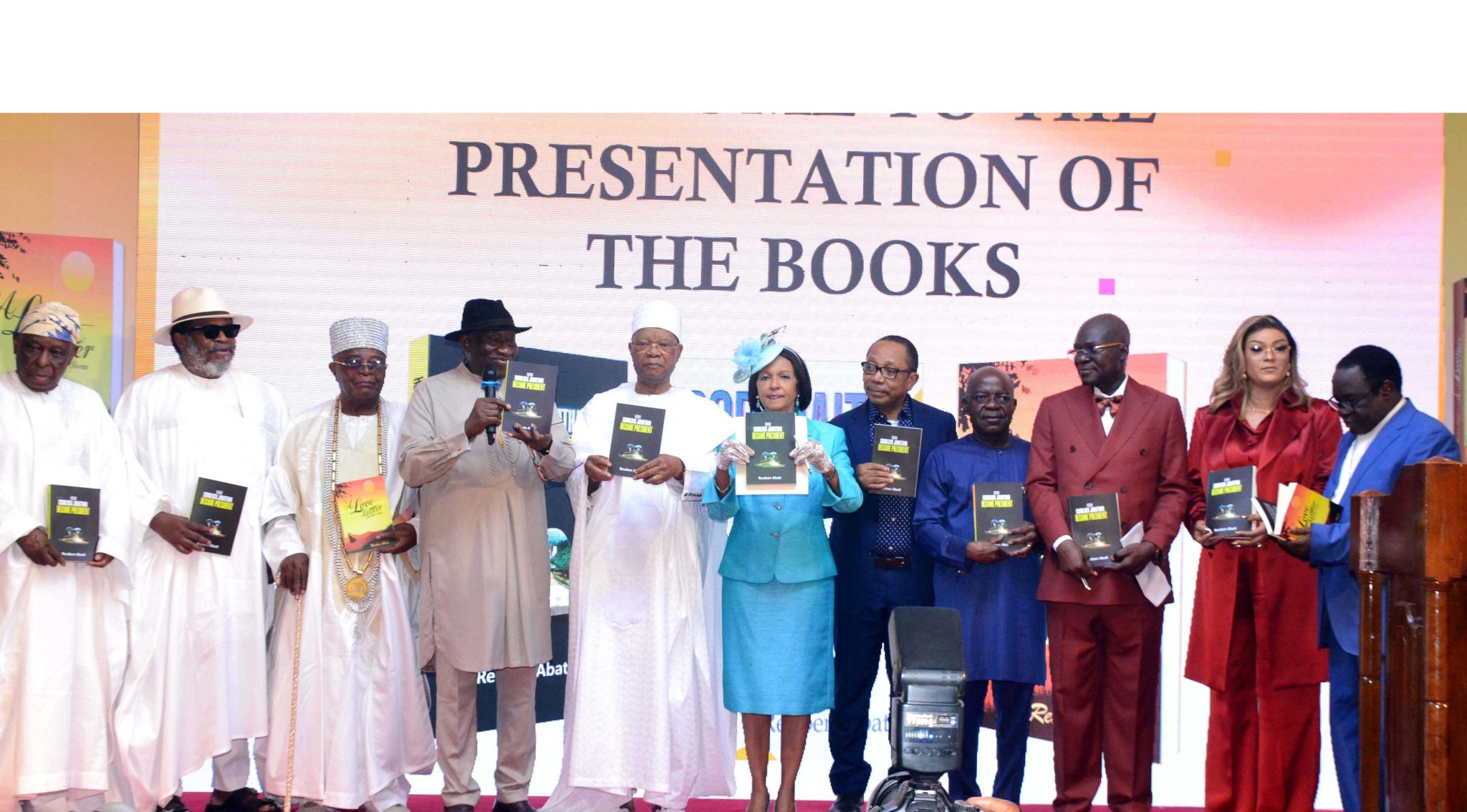
What truly holds Nigerian democracy together—the faces on campaign posters, or the rules written deep within our constitution? On a humid Lagos afternoon, bold questions swirled at the Nigerian Institute of International Affairs as Bishop Matthew Hassan Kukah drew a vivid line between governance that thrives on strong institutions and one built on ‘personality politics’. According to Kukah, the shocking truth is: Nigeria cannot simply vote its way out of its troubles—credible elections alone aren’t enough to guard our future.
Inside Nigeria’s Democratic Dilemma: Do Elections Equal Good Governance?
As 2023’s elections faded into memory, Nigerians from Yola to Yenagoa still wondered: why do we keep circling the same mountain, complaining of governmental “wahala” after every poll? At the heart of Kukah’s explosive speech—delivered during the public unveiling of Dr. Reuben Abati’s newest books—was this hard-hitting point: Nigeria desperately needs far-reaching institutional reforms to escape political déjà vu. The Bishop spoke plainly: “We need laws and institutions, not just good men, to secure democracy—otherwise we’re simply moving in circles.”
Swinging Doors: The Unsettling Trend of Political Defections
Have you noticed how politicians switch parties more often than some switch generators? Kukah labelled Nigeria’s “indiscriminate defections” as a glaring symptom of weak legislation and institutional decay. All across our national landscape—from the green chambers of Abuja to the state assemblies—defections have become as common as Sunday jollof rice, reportedly creating instability and mistrust.
According to Kukah, this political chameleonic behaviour would be impossible in countries where the law actually bites. “Ghana’s constitution is clear—defect, and you lose your parliament seat automatically. A new election is called within 42 days, and the defector can’t jump back into the race,” he explained. In other words, the system is rigged—rigged for accountability. Ghana’s institutions, Kukah claimed, have reportedly helped sustain democracy even under economic pressures similar to Nigeria’s own.
Why Institutions Matter More Than Individuals
We have heard folks lament, “If only we find the right man, na our wahala go end.” But Kukah disagrees. According to him, democracy built on the supposed goodwill of leaders is merely an illusion—what happens when leadership changes hands? Real progress, he stressed, will only come when Nigeria’s laws are strong enough to withstand even the most ambitious or well-meaning leader’s excesses.
- Fair electoral processes must be matched with punitive consequences for misconduct.
- Accountability mechanisms like independent bodies and strict anti-defection rules can prevent abuse.
- Public trust is more likely to grow where institutions are reliable and transparent.
It’s not just theory—Ghana’s approach reportedly shows that transforming the constitution and institutional structures is possible, especially when citizens and officials alike see themselves as stakeholders, not mere spectators or beneficiaries.
Learning From Ghana: The Unprecedented Model of Political Integrity
So, what does Ghana do differently? Not only does their constitution automatically punish “cross-carpeting,” but the Speaker of Parliament’s role has evolved—party loyalty takes a back seat to balanced leadership. Picture this: imagine a National Assembly session where the Speaker truly stands above partisan squabbles. Kukah’s call was simple but powerful—Nigeria can and must learn from such successful examples, not copy blindly, but adapt legal frameworks that serve the unique Nigerian context.
Nigerian Leaders Urged to Commit to Reforms
Moving forward, Kukah challenged Nigeria’s ruling class to tackle the loopholes in our democratic processes. According to him, only deliberate, sustained legal and institutional restructuring can plant the seeds for genuine democratic values—values that outlast individual ambitions or election cycles. In his words, “It’s not a sprint, but a marathon. Let’s get the groundwork right.”
Spotlight on Dr. Reuben Abati: Celebrating Nigerian Storytelling and Courage
The celebration wasn’t just about political reform. Throughout the event, Dr. Reuben Abati’s explosive contributions to journalism, literature, and public discourse were brought to the fore. Former President Olusegun Obasanjo, speaking with the gravitas of someone who has seen it all, described Abati as a “man of integrity and multidimensional progress.” Obasanjo commended the author’s journey, urging him to keep raising the bar with humility—a rare trait in both politics and media today.
The Executive Commissioner of the Federal Competition and Consumer Protection Commission, Louis Odion, took the audience on a journey through Abati’s latest literary works—Portraits: People, Politics, and Society, How Goodluck Jonathan Became President, and A Love Letter, And Other Stories.
Odion painted an evocative picture—one where Abati’s writings serve as a rich anthology of Nigeria’s political evolution, spanning three decades of drama, resilience, and paradox. He explained that “How Goodluck Jonathan Became President” reportedly provides an inside look into the constitutional crisis following President Yar’Adua’s ill health, offering a balanced and critical lens on Nigerian power transitions.
- “A Love Letter, and Other Stories” explores the deeply human and emotional currents shaping Nigerian society.
- “Portraits: People, Politics, and Society” profiles influential figures and pivotal moments that changed Nigeria’s course, painting with broad and subtle strokes alike.
Odion commended Abati’s “rare versatility”—his ability to blend humour, depth, and accessibility in a way that has made him one of the country’s most trusted public intellectuals.
The Road Ahead: Breaking the Cycle of Political ‘Wahala’
The message from the day was as clear as Lagos traffic at midnight—without deliberate changes to our laws and institutions, Nigeria risks repeating history and abandoning its promise. While the call for institutional reform may sound daunting, local experts and grassroots voices agree—it’s a challenge Nigeria must tackle head-on if we dream of a future where democracy actually works for “the common man.”
Still, not everyone agrees the Ghanaian approach is a magic bullet—skeptics argue Nigeria’s unique ethnic, regional, and political dynamics demand home-grown solutions. “We need to account for our peculiar context, but strong laws and genuine accountability are not negotiable,” noted a Lagos-based political analyst. Others warn that instituting reforms is complex, especially with entrenched interests. Yet, recent events and public pressure show that change is not only needed but possible.
Comparing Nigeria and Ghana: Key Lessons in Democracy
- Defection penalties: Ghana automatically removes defectors; Nigeria still debates over legal boundaries.
- Speaker independence: Ghana’s model discourages rampant partisanship, while Nigeria’s setup leaves room for party control.
- Civic engagement: Both countries face economic and social challenges, but Ghana’s reforms reportedly foster greater trust in democratic processes.
Will Nigeria draw meaningful lessons, or cling to the status quo? As elections approach and reform debates deepen, the future of Nigerian democracy hangs on how we choose to answer this pressing question.
So, dear reader, do you believe Nigeria can build the strong institutions needed for real democratic growth, or will we keep experiencing the same old political wahala with different faces?
What’s your take? Share your thoughts below, and let your voice be part of the national conversation. Have a story you want to share or sell? We’d love to hear from you! Email us at story@nowahalazone.com to get your story featured or discuss story sales.
For general support, reach out at support@nowahalazone.com.
Follow us on Facebook, X (Twitter), and Instagram for up-to-the-minute updates, behind-the-scenes stories, and more.