
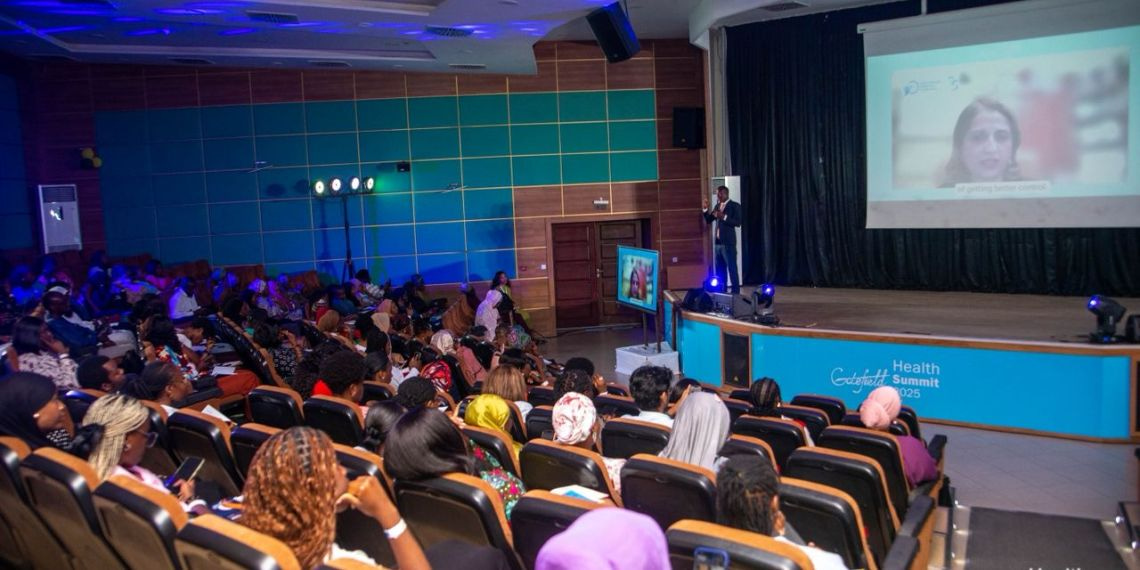
If you found out that the average Nigerian’s life expectancy is just 54 years, would you believe it? Look around—whether in the bustling streets of Lagos or the calm corners of Enugu, too many families carry stories of losing loved ones far too soon. Now, imagine you’re only 25 or 27—the halfway mark of life, statistically speaking. It feels almost surreal, but it’s the stark reality confronting us, as highlighted at the recently held 2025 Gatefield Health Summit in Abuja.
Inside the Gatefield Health Summit—Voices Demanding Change
Amidst a hall buzzing with passionate debates and heartfelt testimonies, Gatefield, a leading media group known for advocating social reform, brought together top health stakeholders, policy makers, and impacted community members. The event’s theme—‘Resilient Health Futures’—cut right to the bone, focusing on chronic diseases, health financing, pandemic readiness, combating antimicrobial resistance, and the all-important ‘One Health’ approach connecting human, animal, and environmental health.
Life Expectancy in Nigeria: The Shocking Truth Unveiled
Standing before a restless audience, Gatefield’s CEO, Adebowale Emoruwa, didn’t mince words. According to Mr. Emoruwa, Nigeria’s average life expectancy now hovers at just 54 years—a number that paints a bleak picture of our health system. “If you’re 25 or 27, you’re staring at your half-life, literally. But it’s not just about dying too soon; it’s about living well every day,” he said.
He pointed out how simple things so many elsewhere take for granted—access to nutritious meals, clean water, safe medicine, and reliable clinics—remain a struggle for millions of Nigerians. In Emoruwa’s words, “Other nations are designing health systems to help citizens live longer and better lives. Why can’t we?”
Unprecedented Gaps in Health Financing: Why Are We So Far Behind?
Health financing, as highlighted by Mr. Emoruwa, may just be the most explosive issue holding our system back. Consider this: Europe spends an average of $4,500 per person; Switzerland goes even higher at $12,000. Nigeria? Barely $5 for each citizen, annually.
- It would reportedly take 2,500 Nigerians together to match the health spending enjoyed by just one Swiss individual.
- According to World Health Organization reports, Africa faces 25% of the world’s entire disease burden, making us home to one in every four global illnesses.
Is it any wonder we seem to be in a perpetual battle with fate, relying more on luck than a solid health structure? As Mr. Emoruwa bluntly put it, “As long as we underfund our system, we outsource our health outcomes to fate and chance.”
Maternal Health Emergency: What Does a 97% Budget Cut Mean for Nigerian Families?
No topic raised more eyebrows or stoked deeper concern at the summit than the state of maternal health. Family planning budgets, according to official summit data, have reportedly shrunk by a jaw-dropping 97% between 2024 and 2025. For many women in rural and urban Nigeria alike, this signals more than a policy shift—it’s a direct threat to their lives and futures.
Mr. Emoruwa did not hold back: “Women’s health is non-negotiable. It’s the bedrock of communities and national prosperity. If women aren’t healthy, families can’t flourish. And if families fail, nations simply can’t move forward.”
This shocking budget slash isn’t just about statistics; it’s directly linked to stories like Ngozi’s in Anambra, who, without access to contraception and prenatal care, now faces tough questions about sustaining her family’s future.
Why Resilience Matters: Lessons from the Society for Family Health
For Omokhudu Idogho, Managing Director of Society for Family Health, resilience in healthcare is “not just big talk—it is the very design and heartbeat of how we must operate now.” According to Idogho, who was represented by health specialist Anthony Nwala, Nigeria’s recent hardships, from pandemics to economic challenges, prove that only systems built with true resilience can deliver hope and real results on the ground.
He argued that, instead of chasing foreign solutions, durable and affordable healthcare is within our grasp when we deepen local models and allow them to flourish. “Localisation isn’t just a fancy word; it’s a proven strategy for homegrown African health organisations to lead from the front,” he noted.
Pushing for Reform: Realistic Solutions for Nigeria’s Health System
With all these realities laid bare, the summit didn’t just dwell on problems. Participants, including grassroots health workers and patient advocates, proposed practical ways forward:
- Prioritise local investment: By allocating more funds to grassroots clinics and community health initiatives, outcomes can start to turn around where it matters most.
- Increase accountability: Open health spending to more public scrutiny to ensure funds reach the people who need them.
- Strengthen women’s health: Restore and increase maternal health budgets, and empower women with information and access to family planning.
- Embrace the One Health approach: Link human, animal, and environmental health to curb future pandemics and health threats.
- Foster innovation: Promote Nigerian-led research and digital health solutions, to leapfrog persistent challenges.
How Does Nigeria Compare Globally?
Compared to neighbours like Ghana and Senegal—both of which have implemented recent health financing reforms—Nigeria continues to lag behind. The World Bank notes that even modest improvements in funding can create exponential gains in life expectancy and child health outcomes. The key difference is political will and consistent follow-through, not lack of talent or public demand.
Reactions from Local Communities and Experts
Community leaders, like Dr. Tunde from Osogbo, reportedly echoed the call for urgent reform: “If we don’t fix this, our rural communities will keep suffering, and the cycle of poverty and illness will never break.” At the same time, Lagos-based health analyst Rahila Mohammed pointed out that many youths have begun to demand better, saying, “This generation no dey carry last—we want to see action, not just talk.”
Nigeria’s Health System: Can the Tide Still Turn?
The Gatefield Health Summit made it clear—turning the tide requires both bold leadership and persistent grassroots pressure. Urgent reforms are not a luxury, but an everyday need if Nigerians are to see improved life expectancy and a brighter health future.
Yet, amidst the tension, there is hope. Communities are rising, experts are speaking out, and new conversations are stirring in the halls of power. The Nigerian spirit, ever resilient, continues to push for change.
The next chapter is in all our hands.
What do you think is the biggest barrier to improving Nigeria’s health outcomes—funding, leadership, or awareness? Have you or your family been affected by the current system? Share your story, join the conversation, and help spark change!
Got a health story to share, or tips on how Nigeria can improve her healthcare system? We want to hear your experience! Email us at
story@nowahalazone.com to get your story featured or discuss story sales.
For general support, reach out at
support@nowahalazone.com.
Follow us on
Facebook,
X (Twitter), and
Instagram
for real-time updates, local stories, and opportunities to make your voice heard!