
Ever wondered why your local government office always feels like a locked door with no keys? Or why, despite billions pouring into local councils every year, your street remains untarred and health centres are hardly equipped? In a country where “na who know man?” is often the password to basic amenities, a recent Supreme Court ruling has reportedly flipped the script. But beneath that legal victory lies a story far deeper—a battle for transparency, accountability, and a true rebirth of grassroots democracy.
In July 2024, the Supreme Court of Nigeria delivered what many describe as an explosive, unprecedented judgment: local governments must finally control their own finances, free from the overbearing grip of state governors. According to the court’s decision, state-level interference—which had left local councils starved of funds and democratic structure—was unlawful. For millions across Nigeria, this was more than courtroom drama; it was a long-awaited breath of fresh air, a chance for actual development closest to home.
Yet, as Lagos-based civil rights advocate Chioma Okeke aptly notes, “Financial autonomy is only half the battle. If we don’t know what our councils are doing with our money, the cycle of abuse will just change hands.” Nigerians are asking: how can we be sure local councils are truly open, accountable, and prioritising service delivery?
The Nigerian Local Government Integrity Index: Revealing Hard Truths
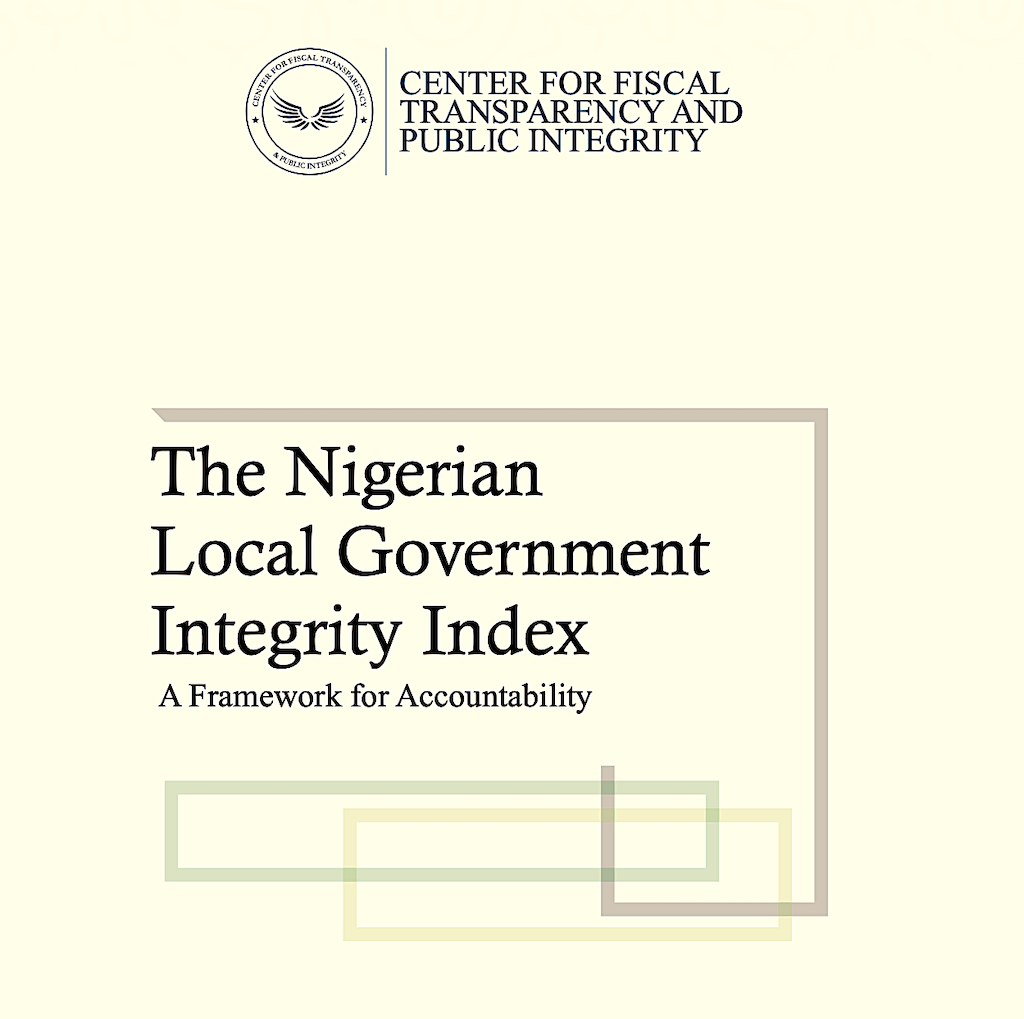
To answer these burning questions, the Center for Fiscal Transparency and Public Integrity (CeFTPI)—a respected Nigerian watchdog—launched the Nigerian Local Government Integrity Index (NLGII). This innovative index is like holding up a giant mirror to the 774 Local Government Areas (LGAs), showing not just talk, but cold, hard data on governance risks, transparency, and corruption right where most Nigerians live.
According to CeFTPI’s inaugural report, the numbers hit like a bag of rice on your toes: a staggering 85 percent of Nigerian LGAs landed in the “Very High” or “Critical” risk zone. Translation? For most communities, budget figures are hidden, contracts are awarded in silence, and public services limp along on crutches. Only a handful rise above the fray, showing what’s possible when leaders embrace openness and citizens refuse to “just manage.”
Spotlight: From Nasarawa’s Star Council to Rivers’ Lowlights
Nasarawa Local Government in Nasarawa State reportedly emerged as the poster child for integrity and good governance. By publishing its budgets and including the community in decision making, it’s setting a pace other LGAs can only chase. By contrast, LGAs like Port Harcourt, Ohaji/Egbema, and Magu highlight the severe decline in public trust—where details of finances are as scarce as a harmattan rain.
How Does the Integrity Index Measure Up?
The NLGII stands on eight strong pillars: fiscal transparency, financial resource management, anti-corruption enforcement, post-election governance, civic oversight, service delivery, digital infrastructure, and security environment. Think of it as the ultimate report card for any LGA—no hiding under the table. Performance is tracked with evidence, not hearsay, drawing from Freedom of Information requests, government datasets, and civil society investigations. You can now see exactly where your LGA falls in the pecking order—and whether there’s hope or headache ahead.
Deeper Issues: Why Are Our Local Councils Failing?
Dig beneath the surface and Nigeria’s local government challenge reveals deep cracks. Local councils were designed as the engine rooms of democracy—meant to deliver basic needs like roads, schools, and clean water. So why are so many of them running on empty? The report pinpoints a cocktail of problems: decades of political meddling, “caretaker” administrators with no mandate from the people, and nearly invisible financial records. “Billions flow every month, but only a select few know where it lands,” says community organiser Dare Lawal. Most people never see a budget, audit report, or official statement—for many, it’s just “government work; nobody go talk.”
Why the Nigerian Local Government Integrity Index Matters
For everyday Nigerians, the Integrity Index is a gamechanger. If your LGA scores in the danger zone, it’s a direct invitation to ask tough questions. Why is there no new borehole? Who got the contract for that collapsed primary school block? The report empowers you to:
- Demand public access to local budgets and spending reports
- Attend council meetings and push for answers
- File Freedom of Information requests for transparency
- Organise alongside neighbours to monitor service delivery
As Abuja-based governance analyst Uche Agbaji puts it, “Seeing your LGA’s ranking isn’t just bad news—it’s a wakeup call to act. Accountability starts at home.”
Policy Solutions: What Are the Next Steps?
The inaugural report recommends robust reforms from both the federal and state governments. These include direct transfers of funds to LGAs from the Federation Account, linking future grants to improved integrity scores, and mandatory transparency audits for high-risk areas. States must back off, allow digital accounting, and enshrine transparency in law—while council leaders themselves need to quit hiding and make accountability the standard, not the exception.
Civil society groups play vital roles as watchdogs, while the media can use this data to direct investigations and shine a light where it’s desperately needed. Researchers are also sitting on a goldmine—exploring links between local autonomy, governance, and real-world development when Nigerians begin to demand more.
From Ruling to Reality: Will Autonomy Lead to Real Change?
According to CeFTPI, the Supreme Court’s July 2024 decision is a necessary first step, but autonomy means little without real accountability. Freedom from state governors is welcome—but will local councils use that freedom to build real institutions, or just repeat the old “siddon look” culture? Experts say reform must go beyond legal victories; it needs digital solutions, open budgets, and constant citizen oversight.
A Turning Point for Nigerian Democracy
The newly-minted Nigerian Local Government Integrity Index is more than a data set—it’s an urgent call to every citizen, policymaker, and civil society actor. Enough of blaming Abuja for everything; the true measure of democracy is what happens on your street, at your own LGA. If roads remain impassable, schools in disrepair, and health services unavailable, then “democracy” is just a word, not a reality.
Reform is possible—Nasarawa LGA and a few others have shown it. The rest, experts say, need a gentle push—or a tough nudge—from their communities, the media, and independent watchdogs. As CeFTPI advises, “Data without action is wasted effort.” If the Supreme Court ruling serves as the springboard, the NLGII is the landing mat. The path to better governance is open. Will we take it?
What Can YOU Do Next?
- Insist that your LGA publishes budgets and spending details regularly
- Encourage your community to attend council sessions and ask questions
- Call out secrecy and demand answers—no be only Abuja waka come!
It’s time for everyone—citizens, journalists, and leaders—to follow the map this Index has drawn. After all, real progress is not handed down from up high; it begins with everyday people choosing to speak up, get involved, and refuse to let corruption win at the local level.
So, over to you: Does your community feel the change, or is it business as usual? What steps will you take to demand better governance? Drop your thoughts below and join the national conversation.
Want general support or to share news anonymously? Reach us at support@nowahalazone.com.
Let’s keep the discussion going on social! Follow us on Facebook, X (Twitter), and Instagram for more empowering news, insights, and reader stories that matter.