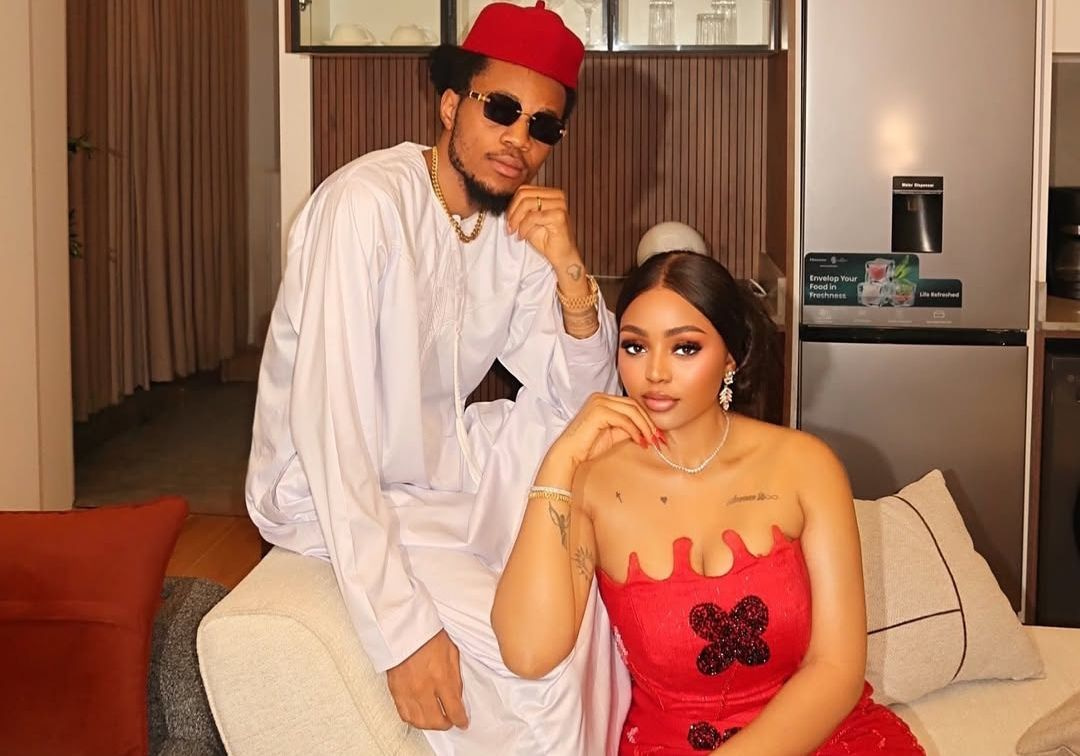

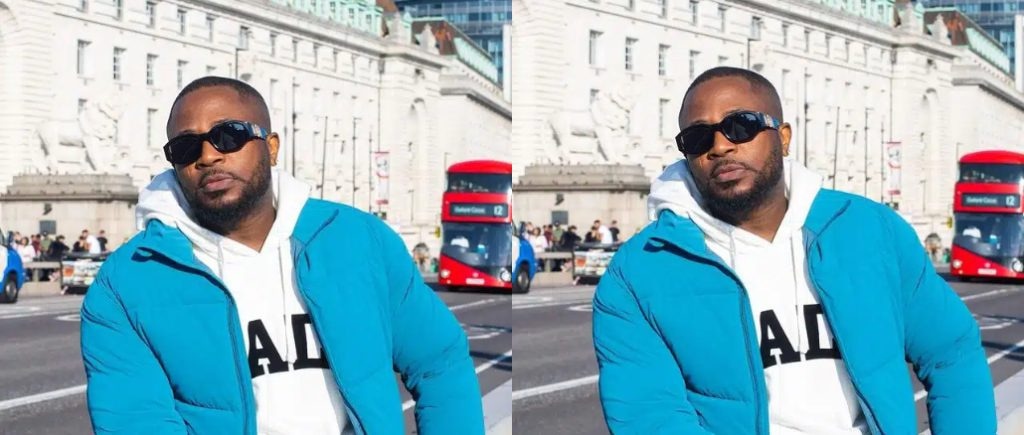
What happens when one man’s social media voice rattles Nigeria’s most powerful gates? In today’s world where information can spread faster than Agege bread on a hot table, the online arena isn’t just a space for bants and memes—it has become a battleground for truth. Recently, the story of popular Instagram blogger and media personality, Tunde Ednut, has highlighted a growing tension between Nigeria’s influencers and its silent corridors of power. The explosive dilemma: Should truth-tellers bow to pressure from above, or boldly speak for the people?
Inside Tunde Ednut’s Shocking Revelation: Speaking Out Against Suppression
Based in the heart of Atlanta but passionately connected to home, Tunde Ednut has become a household name for millions of Nigerians online. Known for celebrating pop culture and tackling tough issues, he recently said he’s constantly bombarded by calls and texts from influential Nigerians. Why? Because of his posts exposing hardship on the streets of Nigeria—content some power brokers would prefer stayed hidden.
He doesn’t mince words. Ednut revealed, “When I post about how people are suffering in Nigeria, powerful people start calling and texting me to delete the posts.” The message couldn’t be clearer: there are those who, allegedly, wish to control the online narrative about Nigeria’s everyday realities.
Power and Censorship: An Open Challenge to Influential Figures
But Ednut is no stranger to courage—or confrontation. Frustrated by repeated pressure, he fired back in a fiery response:
“To anyone watching, if one more person calls me and tells me to take down posts about Nigeria, Ogun o kee you, I go swear for you. Let this be the last time. I will expose you, and I will post our recorded conversation. Don’t call me.”
In a country where many fear openly challenging authority, such a vow is unprecedented, hitting a raw nerve for average Nigerians who feel voiceless.
Nigerian Hardships: Why Tunde Ednut “Escaped”
Ednut went further, painting a vivid picture of his reasons for relocating. “If Nigeria was working, I would have not escaped. I am not a supporter of APC; see me as an opposition.” This candid admission resonates deeply with countless Nigerians in the diaspora who felt pushed away by hardship back home.
But the most stinging criticism was reserved for the nation’s highest office. Tunde questioned, “How can the president of a whole country not trust the healthcare system of the nation he leads, yet fly abroad for treatment? Imagine, he believes more in the healthcare of other countries than in his own.” His frustration echoes a widespread debate: If leaders cannot use public hospitals, how does the average Nigerian stand a chance?
Real Reactions: Nigerians Speak Their Minds
Ednut’s uproar has triggered massive social media feedback. Let’s take the temperature of the streets:
-
@isrealdmw: “I STILL DEY IN SCHOCK, FOR THE LAST PERSON WEY CALL YOU. STILL CAN’T BELIEVE. A WHOLE.”
-
@longmon3y: “I feel your pain, bro. It honestly breaks my heart to see how a country as rich and blessed as Nigeria still struggles with something as basic as healthcare.”
-
@alyusrohmodestwears: “Tunde, you no go ever know sorrow. Imagine having like 10 people like tunde, Nigeria for get hope.”
-
@hypeman.morgan: “Imagine person wey America don give citizenship still this patriotic about Nigeria, whereas some p00r Nigerians who can’t even afford traveling to Ghana, same ones who are directly affected by these bad politicians are busy defending these same politicians cos they’re tribe mates or for peanuts.”
-
@benbills007: “Nigeria is actually very easy to fix, but the problem is the mindset of our leaders. They don’t see Nigeria as Home, that’s why their family members are all abroad.”
-
@n6oflife: “E good as you don officially clear them.”
Why Does This Matter? Links to Freedom of Speech in Nigeria
Tunde Ednut’s experience shines a floodlight on a deeper issue. Can regular Nigerians speak openly about their struggles without fear of reprisal? According to Freedom House, Nigeria’s press freedom remains “partly free” (Freedom House 2023 report), meaning such public confrontations—especially online—could invite real risks, from surveillance to intimidation.
Moreover, many Nigerian activists and journalists have documented similar alleged attempts by powerful interests to stifle criticism, whether through direct contact, subtle warnings, or even reported legal threats (Amnesty International, 2023). For creators and everyday people alike, the internet must remain a place where hard truths can be aired—without fear of retaliation.
What’s the Way Forward? Lessons for Leaders and Citizens
- Transparency and Accountability: There’s a growing demand for public office holders to lead by example, especially on healthcare—if ordinary citizens use local hospitals, shouldn’t their leaders too?
- Role of Social Media: Digital platforms are now Nigeria’s most powerful story-telling tools—raising urgent issues, connecting communities, and at times, forcing the hand of policy-makers.
- Global Perspective: Other nations, from Ghana to South Africa, also wrestle with the line between responsible speech and power. For progress, experts like Dr. Ayo Odunlami, a Lagos-based governance analyst, say, “sustained advocacy—with allies here and abroad—is the only way to ensure citizens’ voices count.”
Tunde Ednut: Patriotism Despite Distance
As many pointed out, Ednut’s story is also about unwavering patriotism. Despite living overseas, his “Naija spirit” hasn’t faded. In fact, it’s grown louder, urging others to question, reflect, and demand better. Do you ever wonder—if more public figures spoke up like him, could tides change faster?
The Big Picture: What Does This Mean for the Average Nigerian?
From Lagos traffic jams to the roll of blackout-induced generator noise, hardship is no stranger to most Nigerians. But fear of rocking the boat often keeps complaints at bay. Now, with Tunde Ednut placing the spotlight back where it belongs—on transparency and social justice—many feel a renewed sense of hope. Not all may agree with his methods, but his passion is hard to ignore.
Will the voices of Nigeria’s people be louder than the whispers of the powerful? The answer, as always, depends on the next story bravely shared.
What do you think—should influencers like Tunde Ednut back down, or keep challenging Nigeria’s power brokers? Have you experienced similar censorship or know someone who has?
Join the conversation below—drop your thoughts, share your experiences, and don’t forget to follow for more updates! Got a story to tell? Maybe you’ve witnessed something in your community, or you want to sell a scoop and get your voice heard?
Contact us at story@nowahalazone.com to get your story featured or discuss story sales.
For general support, reach out at support@nowahalazone.com.
Stay connected with us on Facebook,
X (Twitter), and
Instagram for real-time news, local stories, and the latest updates from across Naija and beyond.