


Quick question: Have you ever stepped out of the bathroom after a “proper” Nigerian bath, believing that your skin’s only true cleansing comes from that gritty raffia sponge or colourful mesh loofah? If so, you’re far from alone—across Nigeria and much of West Africa, the belief that a vigorous scrub equals purity is one of those things we just grew up with. But what if there’s more to this “freshness” than meets the eye, and the tradition of daily sponge use is actually messing with our skin in ways we rarely stop to consider?
For generations, bathing with a sponge has been a cultural rite—something our mothers swore by and a common topic in hostel gist. But in recent times, dermatologists have begun to raise alarm bells, cautioning that this time-honoured routine might secretly be sabotaging skin health in Nigeria and beyond.
Busting the Myth: Is Heavy Sponge Bathing Good for Nigerians?
Let’s be honest, no one likes the feeling of “old age” on their skin after hustling in Lagos traffic or sweating under the sun in Port Harcourt. For many, scrubbing furiously with raffia sponge is almost second nature. But skin experts say it’s high time we examined the facts.
According to Dr Otrofanowei Erere, consultant dermatologist at Lagos University Teaching Hospital (LUTH), the simple act of sponging your body can quickly go from helpful to harmful, depending on what you use and how you use it. “Sponging seems simple, but it depends on what type of sponge you use. Is it a bath towel, raffia sponge, or bath gloves? The point is gentle exfoliation, but daily use—especially with rough textures—can be damaging.”
So, next time you’re scrubbing like you’re wringing garri, bear in mind that even a soft towel, when used with too much force, can behave like a wire brush. That ‘squeaky clean’ feeling? Sometimes it’s actually your skin’s protective barrier crying for help, not a badge of good hygiene.
How Excessive Sponge Use Can Damage Nigerian Skin
It might sound surprising—after all, we all want to “glow like pepper dem gang.” But medical experts warn that excessive sponge use can strip your skin of the very oils that keep it hydrated and healthy, leading to:
- Dryness and irritation—that ashiness no amount of lotion can fix.
- Increased risk of infection—tiny, invisible wounds known as micro-tears allow bacteria and fungi in, especially in dusty, humid cities.
- Slower skin recovery—your body’s own repair system is slowed down by heavy-handed scrubbing.
As Dr Erere noted in her Guardian Life interview, “It is the soap or cleanser that cleans you, not necessarily the sponge.” She reportedly advises Nigerians to stop equating harsh scrubbing with hygiene, noting that “the real danger lies in what we call micro-traumas—tiny, invisible tears that can let in germs and set you up for infections.”
Impaired Skin Barrier: The Hidden Consequence
The skin’s outer layer acts as a wall protecting you from everything outside—dust, germs, even harsh weather. But recent research, including a 2024 study reported in the Journal of Tissue Viability, claims that even “ordinary” pressure applied during bathing can impair this barrier’s recovery, especially if repeated daily.
The researchers found that “scrubbing too hard, even for just two days, slows down the skin’s ability to repair itself compared to bathing with light pressure.” That means the more vigorously you sponge, the more you risk damage—even if you can’t see it right away.
Backing this up, Dr Folakemi Cole-Adeife, consultant physician at Lagos State University Teaching Hospital (LASUTH), reportedly shared with the News Agency of Nigeria that daily sponge scrubbing simply isn’t necessary for healthy skin. “A lot of people cannot have their baths without sponges, but the truth is you actually don’t need to bathe with a sponge too frequently,” she explained.
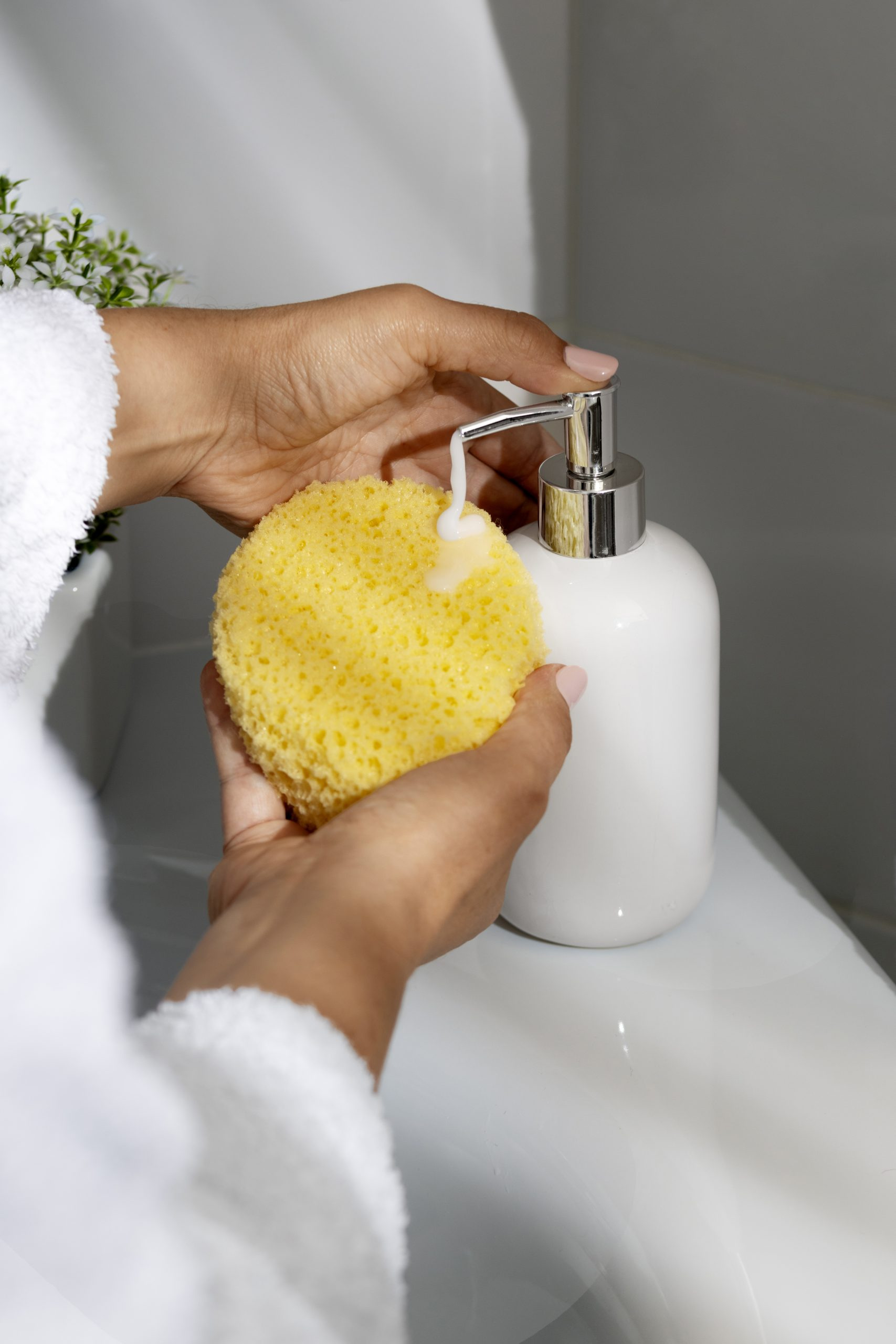
Micro-Tears: The Silent Trouble in Your Daily Bath
If you notice constant itching or dryness—especially during harmattan or after your twice-a-day routine—it may not be malaria or “eku-ete,” but micro-tears your sponge has left behind. These microscopic injuries aren’t visible to the naked eye, but they can cause:
- Persistent itchiness
- Redness
- Recurrent skin infections
According to Dr Cole-Adeife, “Using a sponge to scrub your skin frequently can strip it of its natural oils and create micro-trauma. That, in turn, can introduce bacteria and other organisms.” She emphasised that if you’re experiencing irritation, it’s crucial to pause sponge use and allow your skin to recover.
For many Nigerians—especially those who must bathe twice daily thanks to our ever-scorching weather—these warnings can feel like a tough sell. But Dr Erere notes you don’t have to abandon bathing altogether: just be strategic with your sponge. For instance, a full scrub with sponge and soap in the evening, after a day exposed to sweat and dust, makes sense. But in the calm morning, a gentle rinse with soap and water is often enough for healthy skin.
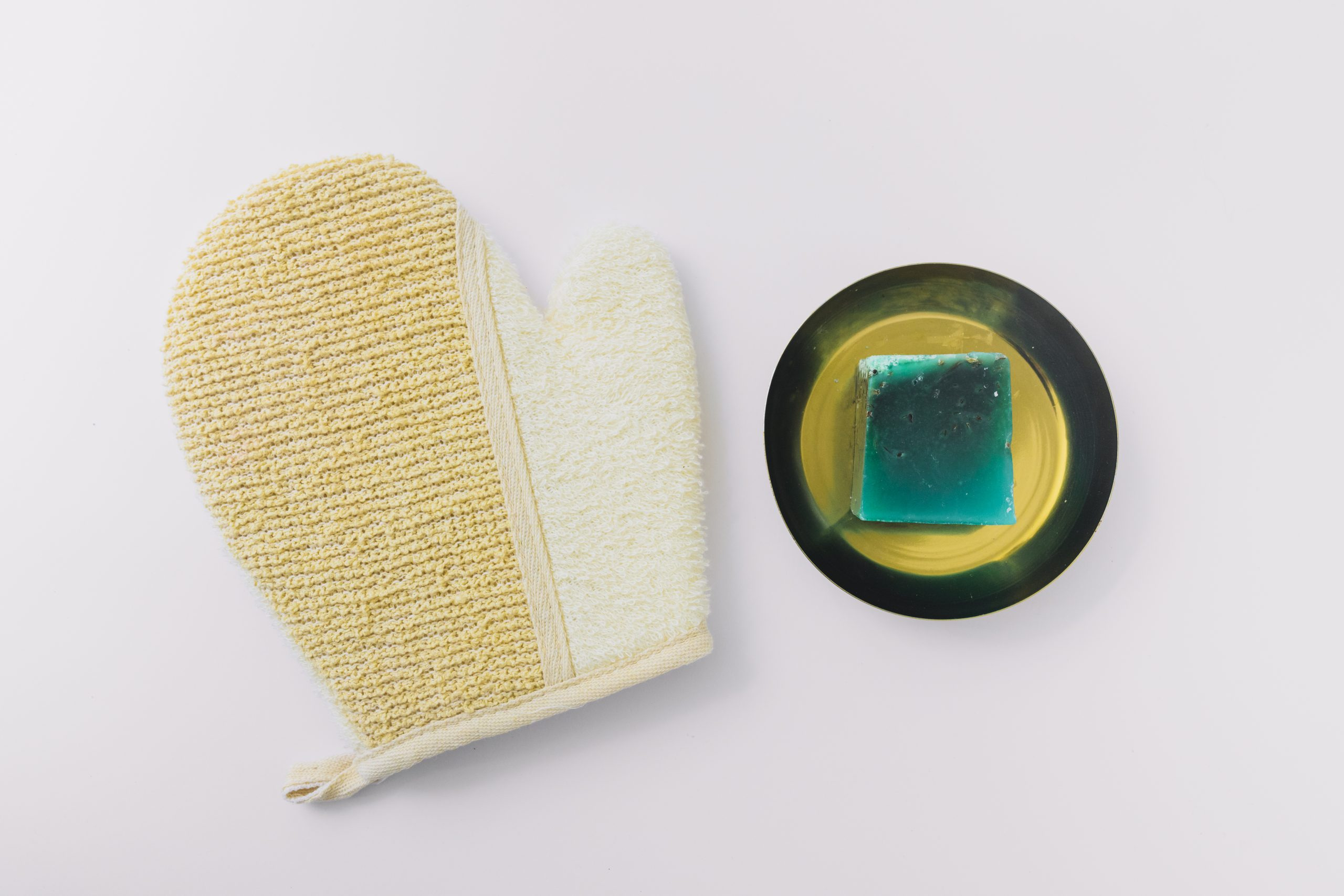
Bathing Tips: Expert Advice for Nigerian Skin
So what’s the way forward if you want to balance that “fresh body” feeling with good skin health?
- Limit sponge use to two or three times a week. (According to Dr Cole-Adeife, this is enough for most people.)
- Choose softer sponges or towels over abrasive raffia types, especially for children, the elderly, or anyone with sensitive skin.
- Adjust pressure—let your hands do more of the work, not your muscles.
- Always moisturize with a good cream or shea butter after each bath to rebuild your skin’s defences.
- Pay attention to your skin; persistent redness, dryness, or itching means it’s time to ease off the sponge and see a dermatologist.
Remember, the purpose of bathing is to remove dirt and sweat—not to battle your skin into submission.
What About Children and Sensitive Skin?
If you’re a parent or guardian, think twice before using harsh sponges on young ones. Children’s skin is especially delicate. According to Lagos-based paediatric dermatologist Dr Amina Yusuf, “Gentle cleansers, mild soaps, and soft towels are best for children. Over-scrubbing disrupts their developing skin barrier and can cause life-long skin sensitivity.”
Cultural Habits vs. Skin Science: Where Do We Go From Here?
Our bathing traditions run deep—after all, who doesn’t remember Saturday morning chores with mum, where getting your back scrubbed felt like salvation itself? But as skin science evolves and our lifestyles change, it’s wise to adapt old habits to new knowledge.
The debate is ongoing, with some Nigerians insisting on their daily scrub for “peace of mind” while others are making the switch to milder routines as more health information becomes available. Similar concerns are now being discussed across sub-Saharan Africa, especially in urban settings where environmental pollutants put extra stress on the skin.
Conclusion: Modern Nigerian Bathing—Sponge or No Sponge?
The evidence is clear: while bathing is essential, the method matters. Over-scrubbing with sponges—be it raffia, mesh, or towel—can steadily weaken your skin’s natural defences, leaving you open to dryness, itching, and infections. What keeps you clean is not how hard you scrub, but what you use and how you care for your skin afterward.
So, next time you reach for that familiar sponge, ask yourself: Are you nurturing your most visible asset, or just following tradition blindly? What bathing routine works for your skin, and are you open to tweaking it for better health?
What’s your verdict—do you still swear by daily sponging, or are you ready to try a gentler approach? Drop your thoughts in the comments and follow us for more health tips that put Nigerian realities first.
Have a health tip, personal story, or a burning opinion about Nigerian bathing culture? Want to get your voice featured or share your experience (anonymously or not)? Reach us at story@nowahalazone.com—we love amplifying real voices!
For general support, you can always contact us at support@nowahalazone.com.
Stay connected with more local health insights—follow us on Facebook, X (Twitter), and Instagram. Don’t forget: If you’ve got a hot story or want to sell a unique angle, email story@nowahalazone.com today!