
What truly grabs your attention before you even listen to a song—a catchy title, or the explosive artwork splashed across the album? In a year that’s sent shockwaves across the music scene, the Grammys cracked open the conversation with their brand-new Best Album Cover category. Suddenly, everyone’s talking about the way album art creates a whole vibe, drawing us into the story artists want to tell—no matter if you’re jamming on your phone or daydreaming under Lagos traffic.
Let’s face it: music has always been about more than just sound. The right visuals? They set the scene, spark curiosity, and sometimes, even become iconic in our everyday lives. Those careful choices—the bold fonts, riot of colour, or even a nostalgic touch—can define a whole generation of Nigerian and African music lovers.
But here’s the surprising truth: Even in our streaming age—where plastic CD cases are almost extinct—album cover art wields more influence than ever. For Naija artists in particular, those visuals have become their calling card, providing a memorable face to their unique sounds. Now, with global platforms recognising the role of design, Nigerian creatives are stepping up their game and letting their cover art tell explosive tales before the first beat drops.
Ready to see which projects are moving the needle this year? Let’s run through ten album covers that reveal just how bold, creative, and unforgettable Nigerian album art has become. Trust me, these are covers you won’t scroll past in a hurry.
1. Davido: 5ive
Two covers, one story—Davido’s 5ive explodes with dual energy. The vinyl edition delivers a nod to Fela’s era, thanks to Lemi Ghariokwu’s legendary brushstrokes—think vintage Afrobeat flavour on canvas, the kind only an OG can create. On the flip side, the digital cover, captured through Tayo Kuku Jr.’s lens and creative team, gives you slick contemporary cool—sharp, minimalist, and proudly African.
Those contrasting styles sum up Davido’s approach this year: never afraid to blend tradition with modernity. According to fans and industry analysts, it’s one of the most “talked-about transformations” yet, sparking pride from Lagos to London street corners.
2. Burna Boy: No Sign of Weakness
Burna Boy: No Sign of Weakness
If you saw this cover flash by, would you just keep scrolling? Not likely. Styled under Ronami Ogulu’s creative eye and Daniel Obasi’s camera, Burna Boy’s portrait sits like a kingpin in cinema. Shadows swirl, blues and golds pop, and the composition straddles both vulnerability and bravado. The artistry here matches Burna’s own evolution—worldly, but deeply rooted.
This visual doesn’t just hype up Nigerian music fans; it signals to global audiences that Burna Boy’s sound is as nuanced as his visuals. The album, packed with collaborations from the likes of Travis Scott and Stromae, is reportedly pushing boundaries in Afro-fusion, according to recent reviews from international music analysts.
3. Show Dem Camp: Afrika Magik
Let’s take a trip down memory lane. Show Dem Camp’s Afrika Magik artwork, designed by Tife Sonaike, resurrects the good old Nollywood poster—a nod to that era when everybody in your compound would gather around a VCD. Retro fonts, distressed paper effects, and bold, exaggerated faces; it’s an insider’s treat for those who still remember Mama G’s biggest hits.
For many young fans, this is more than nostalgia—it’s a subtle claim on African cultural power. According to Lagos-based pop historian Chinedu Odu, this design “reclaims African visual tradition at a time when global streaming can blur our roots.” The artwork doesn’t just support the music, it broadens the meaning behind it.
4. Olamide: Olamide
Ever tried to define street swag with one photo? Olamide’s self-titled album keeps it simple, yet unmissable. Working with creative talents Dayo Cyrus and Dara Banjo, the result is pure star power—uncluttered, confident, easy to spot even on a busy IG feed or roadside billboard.
For Olamide, whose project bridges street and Afropop, the cover art is almost a mirror—reflecting how far he’s come. His collaborations with everyone from Wizkid to Asake have made the album a true symbol of Nigeria’s evolving music landscape. As reported by local music blogs, fans are connecting with this stripped-bare aesthetic because, as one fan put it, “It’s Olamide’s year, simple and short!”
5. The Cavemen: Cavy in the City
Do you feel that dreamy glow already? Designer Joel Ibizu dishes out the highlife nostalgia with a cover that looks like it was found tucked inside your uncle’s old record case. Gentle lighting, faded tones, soft vintage finish—the vibe is classic, but the emotion is fresh.
The Cavemen are famous for paying respect to highlife greats, and on Cavy in the City, that sense of history seeps from the music right into the artwork. According to Port Harcourt-based producer Ken Ezeaku, “It’s not just musically rich, it’s visually devoted to our roots.” You can almost smell the palmwine and feel the city’s heartbeat in every detail.
6. Magixx: I Dream in Color
I Dream in Color – Magixx
Is it only imagination, or can you actually feel the emotion radiating from Magixx’s I Dream in Color? Standing in swirling water, reflective backdrop at his back, Magixx seems to drift inside his own head—just the way you do when you catch yourself thinking about lost love or bold dreams.
The visuals echo the album’s themes of heartbreak and ambition, and, as Ibadan music critic Olayemi Abdul noted, “This is not just album art; it’s a journey inside Magixx’s head.” The power here is in the subtlety—a cover that pulls you in rather than shouting for attention.
7. DJ Maphorisa, Wizkid & DJ Tunez: South Gidi (EP)
What happens when Lagos meets Johannesburg on a dancefloor? The answer is South Gidi. This cover, by Blkpress, doesn’t hold back: Nigeria’s green meets SA’s gold in splashes, serious energy radiates in all directions, and you can almost hear the amapiano beats rumbling through your phone.
This cross-cultural celebration gets praise from DJs and fans on both sides, with music outlet Billboard reporting how the design captures the “unprecedented excitement” of Nigerian and South African collaboration. If you’re searching for an artwork that multiplies the party vibes, this is it.
8. Joeboy: Viva La Vida
Is there freedom locked inside music? Joeboy’s cover for Viva La Vida says yes, painting the story with a single floating bird. Designed by digital visionary Bidemi Tata, each stroke is a symbol: Joeboy’s letting go, breaking out, and telling fans to join him in ditching pressure for pure enjoyment.
Across the project, this airy, hopeful visual sets the tone for Joeboy’s shift from calculated pop star to free-spirited creator. According to a review by AllAfrica.com, “The bird theme soars—matching the music’s own creative leap.”
9. Sarz: Protect Sarz At All Costs
Don’t be deceived by the cool look—this one has layers. With Daniel Christopher on the camera and Adayliving’s direction, Sarz positions himself both as a hitmaker and a creative force. The clean, modern visuals echo his versatility—from making street bangers to shaping pop culture like a silent mastermind.
According to Abuja-based music journalist Esther Ejiofor, “This project puts Sarz’s whole legacy on display, not just his beats.” For any up-and-coming music producer out there, this cover feels like a challenge: step up, be seen, and own your art—Naija style!
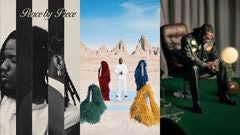
10. Fireboy DML & Pheelz: Peace by Piece (EP)
Peace by Piece – Fireboy DML & Pheelz
Here’s a cover that’s as striking as the EP’s sound. Fireboy and Pheelz lock eyes through bold, almost hypnotic, black-and-white stripes. It’s a sharp metaphor for their partnership—blending soulful singing with razor-edge production.
Fans on social media say the cover “creates plenty suspense, making you want to look twice,” and, honestly, they’re not wrong. As one Twitter user in Benin noted: “It’s like the music and art dey dance together!”
So, what’s the big reveal here? In 2025, it’s not enough for Nigerian albums to sound fresh—they have to look the part as well. Whether it’s the retro flair of Show Dem Camp, the cinematic drama of Burna Boy, or the dreamlike introspection of Magixx, these covers prove Nigerian artists are rewriting the playbook.
With the global spotlight now on album visuals, album art has graduated from mere decoration to powerful storytelling—energising fans, sparking debates, and, sometimes, becoming the first thing people remember about a project. Who knows which covers will become instant collectors’ items or trendsetters? Only time—and fans like you—will tell.
If you had to pick, which Nigerian album cover from this year speaks to your soul? Did any of these visuals take you back, shake up your expectations, or make you proud of Naija creativity?
What do you think—are Nigerian album covers leading the global wave, or should artists push even further? Drop your thoughts and join the gist below!
Have a story, artwork, or creative journey to share or want your story featured? Email us at story@nowahalazone.com.
Follow our creative community on Facebook, X (Twitter), and Instagram for the hottest updates, behind-the-scenes stories, and lively discussions!