
What truly lies behind the loud international headlines about “Christian genocide” in Nigeria? Imagine finding yourself at a posh Washington dinner. The air is thick with expectations—big men and women, African “experts” ready to advise a fresh-faced congressman on issues rocking the continent. Suddenly, the room freezes in shock. The guest of honour’s first comment? He proclaims that one of Africa’s biggest emergencies is a so-called “Christian genocide” in Nigeria, pinning the entire case on one name: Nnamdi Kanu.
That name, for many in Nigeria, carries history, hope, and controversy—but not for the reasons tossed around in Western media circles. As one quiet voice at the table gently explained, Kanu is not a Christian martyr; he’s a prominent leader in the Biafran secessionist movement, jailed on charges tied to rebellion and incitement, not because of his faith. The air thickened—one could almost hear a pin drop, as Americans realised how much context was missing from their “expert” briefings.
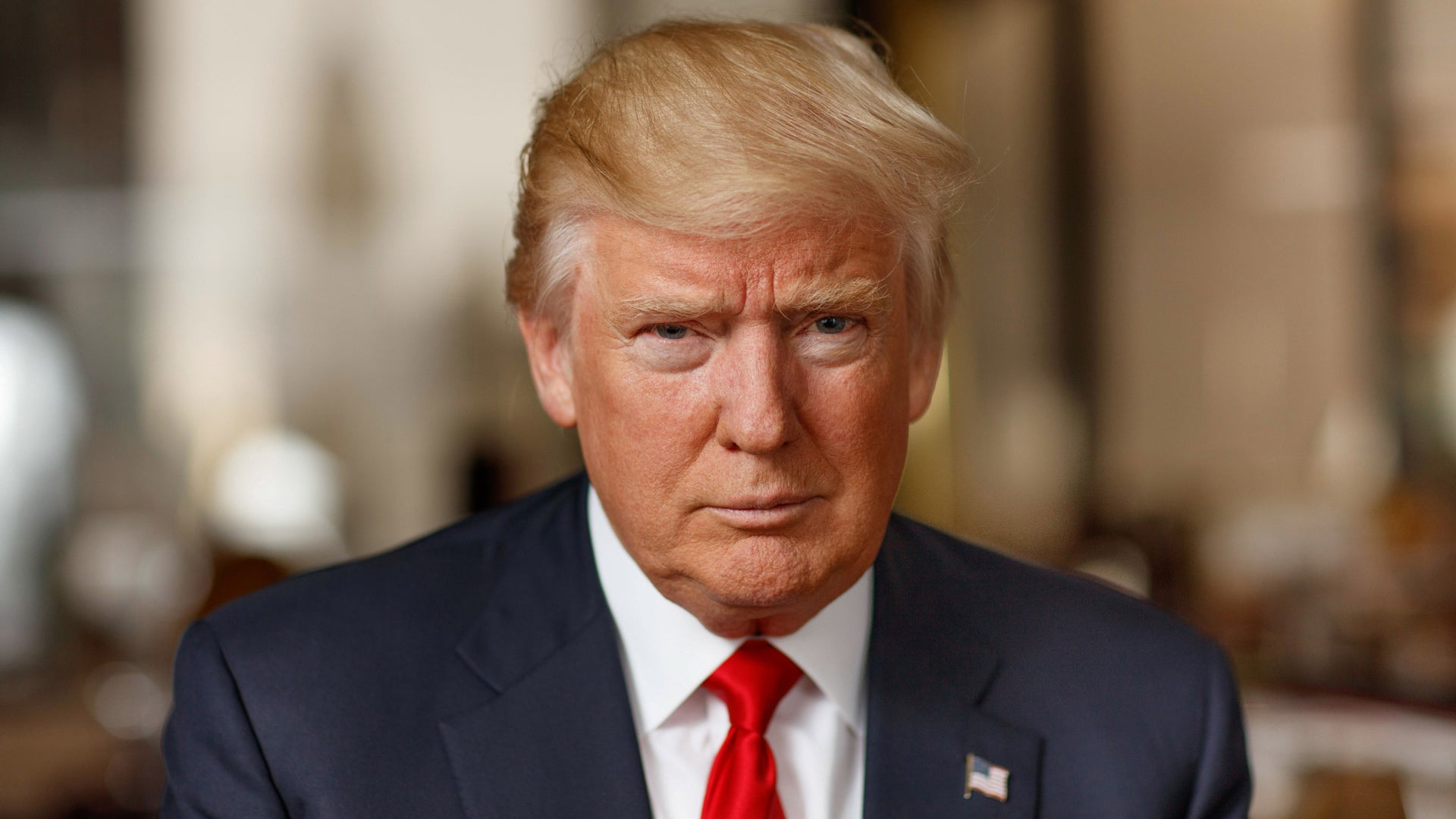
Fast forward two years, and that ignorance is back with a bang. This time, it’s former U.S. President Donald Trump making waves. In a recent social media outburst, he reportedly threatened a “fast, vicious and sweet” military invasion of Nigeria to put a stop to claims of genocide against Christians. For many on the ground in Abuja, Lagos, or Kano, the threat seemed both explosive and outlandish. But there’s more at stake than just bluster.
Debunking the “Christian Genocide” Narrative in Nigeria
Is Nigeria truly facing a religious genocide? On paper, it’s a simple question. In reality, it’s complicated—much more than a single viral phrase can capture. While there have been truly heartbreaking acts of violence in places like Kaduna, Benue, and Plateau, the roots of these crises aren’t simply about Christianity versus Islam.
According to sources with deep knowledge of the region, including security analysts who partner with Nigerian forces, the conflicts are multi-layered. In Borno, Yobe, and Adamawa States—the strongholds of Boko Haram insurgency—most of the people killed have reportedly been Muslim civilians whose only “crime” was refusing to follow the extremist ideology of Boko Haram. Christians have certainly suffered, losing property and loved ones, but so have Muslims, often in greater numbers, according to international reports by groups like the United Nations Office for the Coordination of Humanitarian Affairs (OCHA).
So, why does the story of religious genocide keep trending in Washington?
The Real Forces Shaping the US-Nigeria Crisis
Scratch beneath the surface, and you find a web of lobbying and political games. Since 2019, Biafran separatist groups have poured over one million dollars into lobbying firms, including Mercury Public Affairs and BW Global Group. Their goal? Reframe their argument from ethnic grievances to a religious one—”a fight to save persecuted Christians.”
This highly emotive language finds a willing audience among American Christian nationalists and politicians eager to be seen as moral crusaders. Senator Ted Cruz and Congressman Riley Moore have both raised the banners of “religious persecution,” reportedly citing Nigerian cases again and again. Even pop culture figures like Bill Maher have weighed in, scolding the media for its alleged silence.
But how accurate are these claims, really? The playbook feels familiar: it echoes the so-called “white genocide” stories about South African farmers—another hot-button issue that drew international fire, only to fizzle as facts emerged. Many Igbos in Nigeria do feel marginalised, decades after the wounds of Biafra’s failed 1967-70 secession scarred families and communities. But framing the conflict as pure religious persecution, rather than one of missed opportunities, poor leadership, and old resentments, misses the real heart of the matter.
A report by Amnesty International highlights overlapping crises:
- brutal Boko Haram raids that hurt Muslims and Christians alike
- violent clashes in the Middle Belt over farmland and resources
- land conflicts between Fulani herders (mostly Muslim) and farmers (often Christian)
- increases in banditry and criminal activity, rather than straightforward religious persecution
Simply put: Nigeria’s problems are tough and tangled—but reducing them all to “Christian genocide” is misleading and potentially explosive. Not every wahala is about religion. Sometimes, it is about poverty, lack of jobs, or land grabbing. Sometimes, it is just plain wickedness, with no faith at the root.
What Nigerians Know That America Forgets
Across Nigeria, everyday coexistence is real and vibrant. Head to any Lagos motor park or Abuja market: you’ll find Yoruba, Hausa, Igbo, and many others buying and selling together, laughing in different languages. The current president, Bola Ahmed Tinubu, is a Muslim; his wife, Oluremi Tinubu, is a Christian pastor—a perfect “Naija mix” found in countless homes. Nigeria’s National Assembly, universities, even the average staff room—they’re full of different faiths, working side by side. That’s the genuine Nigerian story most foreigners don’t see.
Does this mean there are no divisions? Of course not. The country faces serious, sometimes life-threatening, religious, and ethnic flashpoints. Criticism of the government’s conflict management is everywhere—from civil society groups to community leaders who believe more could be done to protect lives. But the idea that Abuja’s officials are backing religious violence against Christians is, according to seasoned diplomats and analysts, both false and dangerous. As one Lagos-based peace expert put it, “Na so e dey pain am! But abeg, make dem no use our matter cook another soup abroad.”
How the “Genocide” Controversy Affects Nigeria and the World
Trump’s statements, alleged by many to be misinformed, call for direct military action—a move that could destabilise not only Nigeria but much of West Africa. The Pentagon itself, after years of collaboration with Nigerian forces, is well aware that any intervention would be slow, messy, and possibly catastrophic, putting lives at risk across the region.
Local voices, such as Kaduna-based human rights advocate Aisha Bukar, warn that “these kinds of fiery remarks from foreign leaders only increase suspicion among different communities and play right into the hands of extremists.” Instead, most Nigerian experts and international partners recommend a focus on:
- strengthening Nigeria’s ability to secure its borders
- deploying technology and intelligence to track extremist groups
- improving access to justice for victims of violence—across all faiths
- identifying and prosecuting the financiers of conflict, as advised by the United Nations Security Council
A deeper solution, many say, lies in local partnership and careful diplomacy—not sabre-rattling from thousands of miles away.
Why Truth Matters: Beyond the Headlines
The clouds of misinformation swirling around Nigeria’s north and Middle Belt do not just confuse outsiders; they poison local relationships and put pressure on families already living on edge. Misinformation magnifies fear, often turning neighbours into enemies and encouraging extremists to exploit global attention for their own propaganda. It’s like pouring petrol on already burning fire—who benefits from that?
According to multiple analysts—including those with the International Crisis Group (ICG)—the real crisis is not just about Christians or Muslims; it’s about ordinary Nigerians trapped between insecurity, misinformation, and political power plays.
The world has a vital role, not as “mighty saviour,” but as a partner providing tools, training, and fair support for justice and peace. As for social media outbursts—Nigerians know better than most that “noise no dey fix wahala.” Real solutions come through partnership and shared responsibility.
Conclusion: Whose Story Gets Told?
The ongoing crisis in Nigeria’s north is a tragedy with deep roots—poverty, conflict, unresolved wounds, and power struggles. Any “quick fix” foreign intervention carries more risk than reward. Instead, Nigeria needs long-term support, respect for its diversity, and a commitment to justice that includes every citizen, no matter their faith or language.
So, what do you think—whose story should shape the future of Nigeria? Will it be the outside voices echoing through foreign corridors, or ordinary Nigerians, Muslim or Christian, living in the midst of it all, who finally get to write the next chapter?
We want to hear your perspective! What’s your own experience of religious coexistence or conflict? Drop a comment and follow us for more updates.
Have a story, tip, or opinion to share about Nigeria’s realities? Think your story deserves to be heard around the world?
Email us at story@nowahalazone.com for story submissions, sales, or to get featured.
For support or other inquiries, reach out at support@nowahalazone.com.
Join the conversation on Facebook, X (Twitter), and Instagram for the latest updates!
Got thoughts—agree or disagree? Drop your hot takes below and let’s talk Naija realities.