
Could this be the moment China’s car industry shakes the world? The astonishing rise in September’s vehicle retail sales—over 2.2 million cars reportedly sold—has set tongues wagging, with African car lovers and market watchers wondering: what does this mean for us down here, where every new car often sparks fresh conversations at the fuel station?
Not too long ago, Chinese brand BYD was hailed as the king of innovation. But, according to the latest retail sales data for September, the Chinese auto market just pulled a fast one on global expectations. With an increase of 4.1% year-on-year—reaching a whooping 2,208,545 vehicles delivered to real buyers, not just figures on a spreadsheet—analysts say China’s vehicle market is showing resilience, particularly when compared to markets in Africa, Europe, or the Americas where economic headwinds are cooling demand.
China’s Car Market: New Records, Fresh Surprises
Home to the world’s fastest-growing vehicle market, China isn’t relying on fairytales. The country’s year-to-date new car sales have climbed to 16,477,351. Let’s pause there: that’s nearly the population of Lagos buying cars, all within nine months! According to the auto data specialist Best Selling Cars Blog (BSCB), these numbers aren’t inflated by factory shipments—retail figures mirror actual end-customer registrations, not cars gathering dust in showrooms.
For Nigerians, where owning a brand-new ride is often a sign of “I’ve arrived,” the Chinese car story should offer food for thought. Can Africa tap into the magic—when will we see these innovative models at Ikeja, Lekki, or Abuja showrooms, at prices that don’t tear pocket?
Key Winners and Losers: BYD’s New Challenge, Xpeng’s Explosive Jump
Let’s break it down. Once again, some big names felt the heat. BYD, usually a golden child, stumbled this September, allegedly dropping sales by 16% compared to last year’s all-time high. With most of its usual top-sellers slipping, only a few—like the Qin Plus (+0.9%), the Yuan Up (+60.8%), and the Dolphin (+38.8%)—managed to hold ground.
But, even as BYD reportedly stares at a glass ceiling, other brands are rising like Agege bread in an oven. Geely had a stellar month, surging by 68.3% and almost hitting 200,000 sales—enough to make rivals sweat like “man wey chop pepper.” The Xingyuan hatch EV crossed 50,000 monthly sales for the first time, as Geely’s Galaxy NEV range doubled to 53,360 units.
Volkswagen and Toyota seem to be struggling to keep pace with the new kids on the block, posting declines of -18.3% and -4.1% respectively. Wuling barely edged up by 2%, rounding out the top five.
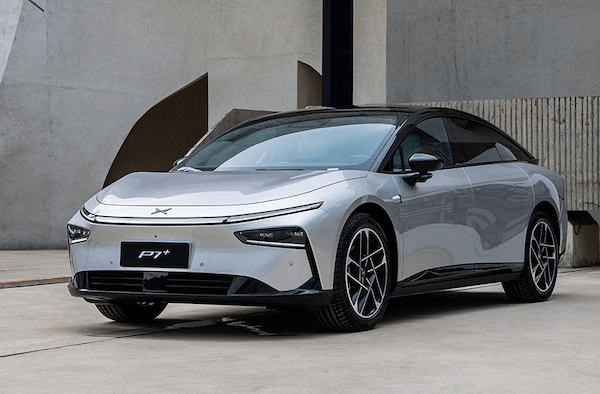 Xpeng sales are up 99% year-on-year in September.
Leapmotor and Xiaomi: Newcomers Stir the Waters
September wasn’t just a battle of old giants. Leapmotor (+80.8%) shattered its own record by moving over 10,000 more units than the previous month—climbing into the top 10 for the first time at #9. Xpeng reported an explosive 99% increase, as Fang Cheng Bao (one of BYD’s new sub-brands) leaped by 297.9%!
Meanwhile, Xiaomi, the consumer technology heavyweight, drove into the car market fast lane, more than tripling its sales (+208.7%) and finally breaking 40,000 units in a single month. As one Lagos-based tech analyst put it: “If this speed continues, you may soon see Xiaomi cars on Allen Avenue looking for parking space!”
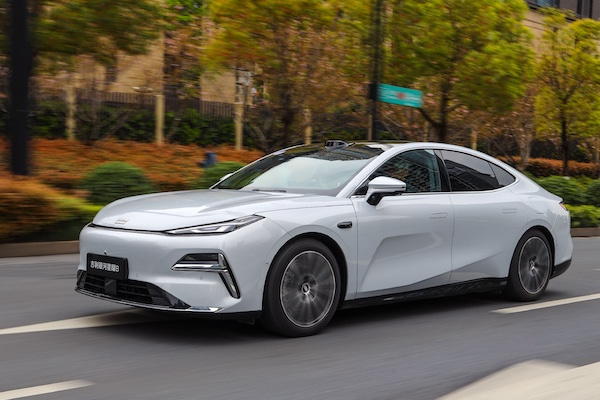 Geely almost reaches 200,000 sales in China.
Model Smackdown: Mini EVs and High-Tech Sedans Take Centre Stage
If you’re thinking it’s only fancy, expensive cars making the waves—think again. The Wuling Hongguang Mini EV (+83.1%), a compact city car built for affordability and practicality, shot to first place, smashing its own sales record at almost 57,000 units. Industry watchers have linked this performance to the recent introduction of a four-door version—talk about giving customers exactly what they’re asking for.
The Geely Xingyuan slipped into second, although it also hit its personal best. As for the Tesla Model Y, its numbers dropped by 10.2%, but there’s a plot twist: sales of its longer version—the Model Y L—soared to over 8,200. The market, it seems, is always in motion.
Then there’s BYD again. While their overall September performance lagged, individual models refused to back down. The BYD Qin Plus (+0.9%), Seal 06, and Sealion 06 are showing remarkable hustle, with the latter topping 30,000 units for the first time. The Yuan Up soared by 60.8%, while the Seagull faced a sharp dip, highlighting how stiff the race is in China’s car market.
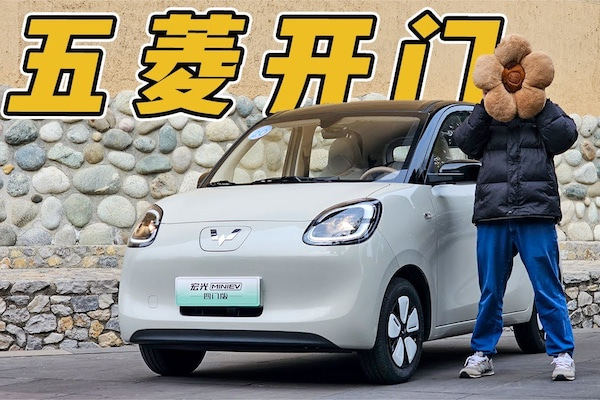 The Wuling Hongguang Mini EV hits an all time high volume this month.
What Can Nigerians Learn From China’s Car Boom?
Let’s not deceive ourselves—China’s automotive story reads like a Nollywood blockbuster, full of unexpected plot twists and rising stars. But what lesson lies in it for everyday Nigerians or West Africans eyeing new cars?
- Affordable Electric Vehicles (EVs): If China can put a quality, affordable mini EV on its streets in record numbers, could Nigeria’s policies one day enable similar home-grown solutions to fuel scarcity and rising petrol prices?
- Adoption of Green Technology: Many models topping the charts are New Energy Vehicles (NEVs). With Lagos and Abuja suffering from harmful fumes and traffic jams, is it time to seriously consider EV infrastructure locally?
- Market Data Transparency: The importance of using real retail sales figures (not just “paper” numbers) offers a powerful lesson for all markets, ensuring honest data for both manufacturers and buyers.
Balancing the Ride: The Challenges Behind the Headlines
While the data suggests explosive growth, the road isn’t all smooth. Some automakers are allegedly boosting wholesale numbers via exports, masking true demand. Retail sales, which reflect actual customer purchases, offer a more reliable guide, according to BSCB experts and other analysts. Even in China, brands like Nissan (-12.7%), Honda (-9.5%), and Mercedes (-8%) reportedly struggled, showing not every player can ride the same wave.
Additionally, industry insiders warn that market saturation, price wars, and rapid technological changes can turn today’s leaders into tomorrow’s underdogs. Just as BYD reached its peak at home, tough competition and shifting consumer choices sent a warning shot.
How Does This Affect Africa? What’s Next?
For Nigeria and its neighbors, China’s car market boom is more than eye candy. With many used and new Chinese models already entering African roads—sometimes as so-called “Tokunbo” options—industry observers are hopeful that increased competition will lower costs, improve access to cleaner tech, and push governments to rethink import tariffs and local assembly support. According to a senior auto industry researcher based in Abuja, “China’s auto playbook might signal new possibilities for local assembly, EV adoption, and car financing across Nigeria.”
Globally, as Chinese brands become household names from Johannesburg to Cairo, industry experts urge African policymakers and entrepreneurs to cozy up to these trends, tapping into opportunities for growth, job creation, and cleaner cities. But, true transformation will require planning, investment in skills, and careful regulation to ensure Africa isn’t just a dumping ground for excess vehicles—but a partner in auto innovation.
Final Thoughts: Roadmap for the Future
The September figures from China’s retail car market have reportedly surpassed expectations, driving home the lesson that innovation, adaptability, and relentless pursuit of consumer needs are non-negotiable in today’s fast-moving world. Whether you’re a young Nigerian professional saving for that first car, or an entrepreneur dreaming of local auto assembly, China’s explosive growth story serves as both a call to action and a challenge: Can we replicate this success here?
What’s your own take—do you foresee Chinese cars dominating Nigerian roads, or do you think local brands and used imports will always win the street battle?
Share your opinion below, and if you have insights, tips, or car stories, get in touch—we’d love to feature your voice!
To get your story featured or discuss story sales, email us at story@nowahalazone.com.
For tips or support, reach out to support@nowahalazone.com.
Stay connected—follow us on
Facebook,
X (Twitter), and
Instagram
for the very latest in business, markets, and industry gist.
What’s your view? Drop a comment and follow us for regular updates on how the world’s big trends affect us at home!