
Apples might seem like one of the most ordinary fruits you’ll find at the local market, often ignored for flashier options like mangoes, pineapples, or even oranges. Yet, beneath their humble appearance, apples offer a dazzling spectrum of flavours—ranging from tart and sharp to sweet and floral. In Nigeria and West Africa, apples are a regular feature in supermarkets, fruit stands, and even street hawkers’ baskets, thanks to increasing imports and a growing appreciation for diverse fruit varieties. With apple season at its peak in many countries, there’s no better time to pay homage to this versatile fruit. This piece will guide you through two irresistible apple recipes adapted for local palates: a no-bake toffee apple pie—an indulgent, autumn-inspired treat that’s a cousin to the beloved banoffee pie—and a moist, cinnamon-laced apple crumb loaf.
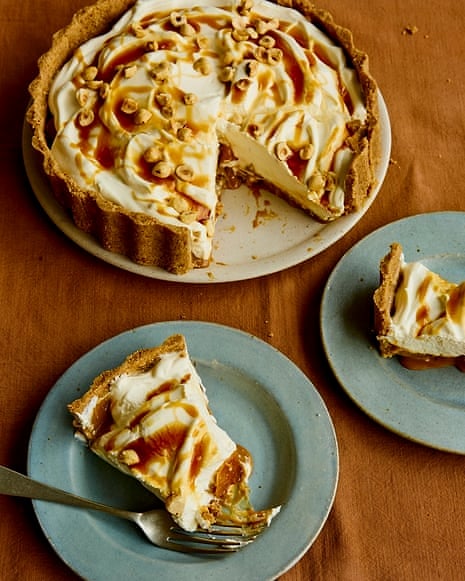
Toffee Apple Pie (Pictured Top)
To recreate this pie, you’ll need a 23cm loose-bottomed tart tin—a regular supermarket purchase or found in local bakeware shops across Lagos or Accra.
Prep 10 min
Cook 1 hr 10 min
Chill 2 hr+
Serves 8-10
For the Crust (Biscuit Base):
275g digestive biscuits
¼ tsp fine sea salt
1 tsp ground cinnamon
140g unsalted butter, melted
For Caramelised Apples:
500g apples (Braeburn or Pink Lady are recommended; locally, try Gala apples or imported Red Delicious)
70g caster sugar
30g butter
1 tsp lemon juice
For Sour Cream Whip:
50g sour cream (or plain yogurt as a local alternative)
250ml double cream
25g caster sugar
For Assembly:
397g tin dulce de leche (Carnation or other caramel spread)
25g roasted hazelnuts, roughly chopped (substitute with groundnuts/peanuts or cashew nuts if preferred)
Directions:
- First, make the biscuit base. Crush the digestive biscuits in a processor or put them inside a clean bag and crush with a rolling pin until you have fine crumbs.
- Add the salt and cinnamon, mix, then pour in the melted butter. Stir well until the mixture resembles wet sand and starts to clump.
- Press the mixture into a 23cm tart tin lined with baking paper, firming it up from the sides and base for a sturdy crust. Pop it in the fridge while you prepare the apples.
- Peel, core, and slice the apples to about 1cm thickness, aiming for about 400g after prepping. Pour caster sugar into a wide pan and heat on medium-high. Watch as it melts, caramelises, and starts turning golden (about 3–4 minutes).
- Add the butter and apples to the pan. Lower heat to medium-low and let them simmer until the apples are tender—about 10 minutes. Some apple pieces may become soft while others stay firmer, depending on variety. Finish with lemon juice and remove from heat. Allow to cool before assembling.
- In a bowl, whisk the sour cream, double cream, and sugar until soft peaks form. This mixture will add a creamy, tangy lift to the rich caramel apples.
- Spread the dulce de leche over the set biscuit base. Top with cooled caramel apples, then a generous dollop of the whipped cream. Give it a beautiful swoosh with your spatula or spoon.
- Sprinkle chopped hazelnuts (or alternative nuts) over the top and drizzle the reserved caramel juices for added shine and flavour. Chill the pie for at least 2–3 hours to set properly.
Serving suggestion: Enjoy your toffee apple pie as a grand dessert at family gatherings or festive events—pair it with zobo (hibiscus tea) or local ginger drinks for a delightful blend of cultures.
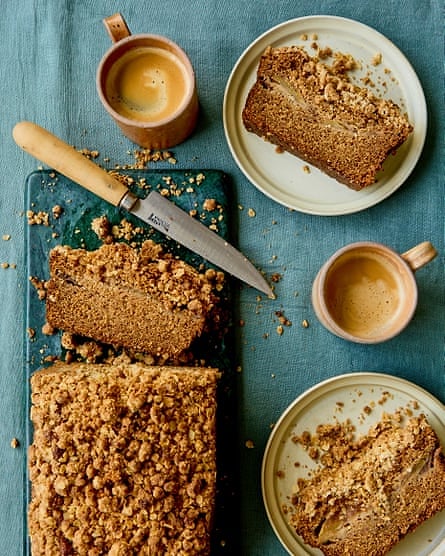
Apple Crumb Loaf
Prep 5 min
Cook 1 hr 10 min
Serves 6-8
You’ll need a 21.5cm x 11.5cm x 6cm loaf tin for this—any standard-size pan will work.
For the Cake:
2 medium-sized apples (use locally available Gala or imported varieties)
1½ tsp ground cinnamon
150g unsalted butter
75g caster sugar
100g light brown sugar
2 eggs (approx. 100g)
1 tsp vanilla extract
150g plain flour
50g wholemeal flour
1 tsp bicarbonate of soda (6g)
¼ tsp fine salt
For the Crumb Topping:
40g light brown sugar
60g plain flour
A pinch of salt
30g oats
40g melted butter
Preparation:
- Preheat your oven to 180°C (160°C for fan ovens) or 350°F/gas mark 4.
- Slice one apple (no need to peel) into thin, 2mm slices—roughly 120–130g. Toss these with the cinnamon and set aside. Grate the second apple using the coarse side of a box grater; aim for about 100g.
- For the cake batter, cream the butter and both sugars for about two minutes until the mixture becomes pale and airy. Add eggs one at a time, mixing thoroughly after each. Stir in the grated apple and vanilla.
- Combine plain and wholemeal flour, bicarbonate of soda, and salt. Add them to the wet mixture and stir gently to form a smooth batter.
- Line your loaf tin with baking paper. Spoon in about 80% of the cake mixture. Arrange the sliced apples in overlapping rows for that rustic, bakery-style finish. Add the remaining batter on top and smooth it out. Bake for 15 minutes.
- While the loaf is baking, prepare the crumb topping: Mix brown sugar, flour, a pinch of salt, and oats. Pour in the melted butter and stir with a fork or your fingers until you have a crumbly blend.
- After 15 minutes, carefully remove the loaf from the oven and sprinkle the crumb mixture all over the top. Return to the oven for another 35–40 minutes. The loaf is done when a toothpick pushed into the centre comes out clean.
- Let the apple crumb loaf cool completely in the tin before slicing and serving.
Serving ideas: Perfect with a cup of Nigerian tea or Ghanaian coffee for breakfast or as an after-school snack for children. The crumb topping delivers both crunch and sweetness, making it a crowd-pleaser even in a fussy household.
Why apples are gaining popularity in Nigeria and West Africa
Apples, once considered foreign and expensive, have become increasingly accessible in local markets thanks to imports and improved cold storage logistics. According to figures from the International Trade Centre, apple imports into Nigeria have grown steadily over the last decade, with South Africa, France, and China among the main suppliers. Consumers and health experts in Lagos, Accra, and beyond value apples for their nutritional benefits: high fibre, antioxidants, vitamins A and C, and a reputation for supporting heart and digestive health.
Food bloggers and local nutritionists, such as Lagos-based culinary educator Abiola Adeyemi, note that apples are ideal for low-calorie snacking and work well in both traditional and modern recipes. “In urban centres, apples now feature in everything from lunchtime salads to innovative desserts that blend African spices with Western techniques,” she explains. Many Nigerian home bakers have also found apples adaptable to staples like meat pies and smoothies, offering a sweet counterpoint to spice-laden meals.
Local Variations & Substitutes
While imported apples are common in supermarkets, some locals suggest substituting pears, mangoes, or even bananas for similar desserts, especially when apples are out of season or budget. Additionally, ingredients like digestive biscuits can sometimes be swapped with local coconut biscuits, and sour cream replaced with thick natural yogurt.
Challenges and Opportunities
Despite their newfound popularity, apples remain pricier than indigenous fruits, making them an occasional luxury for some households. The fragile supply chain—subject to weather, import restrictions, and rising logistics costs—means that prices can fluctuate significantly. However, this has sparked local innovation: Nigerian farmers in the Jos Plateau and Ghana’s Eastern Region are experimenting with small-scale apple orchards, aiming to reduce reliance on imports in the years ahead, according to agricultural development reports.
-
Nicola Lamb, acclaimed pastry chef and author, writes the weekly Kitchen Projects newsletter and has recently published her cookbook “Sift,” filled with expert baking tips for all levels. Find a copy at local and online bookstores or visit guardianbookshop.com.
From festive family tables in Lagos to casual tea-times in Accra, these recipes celebrate the rising status of apples in the West African culinary landscape. Whether you’re trying your hand at baking for the first time, looking to expand your dessert repertoire, or introducing your family to new flavours, apples can offer freshness and creativity in any kitchen.
How are you using apples in your cooking, and have you tried local twists on classic recipes? Have these creative dessert ideas inspired you to create your own? Drop your thoughts and photos in the comments and let us know your favourite way to use apples in Nigeria or anywhere across Africa!
Got a unique recipe, family secret, or food story you’d love to share—or even want featured on our site? Whether it’s a modern dessert, traditional dish, or fusion creation, we want to celebrate your culinary talent!
Email your stories or recipes to story@nowahalazone.com to get featured or explore selling your story. For general support and inquiries, contact us at support@nowahalazone.com.
Follow us for tasty updates and join the conversation on food trends via
Facebook,
X (Twitter), and
Instagram!
We can’t wait to see what you’re cooking up—share your best apple recipes with our community and inspire fellow food lovers across Nigeria, West Africa, and beyond!