

Across Nigeria, relying on friends, family, or social media posts to find reliable artisans and professionals is part of daily life. But for many, such recommendations have led to more headaches than solutions—from plumbers that never arrive to carpenters with questionable skills. This informal system often leaves people frustrated, out of pocket, and yearning for trustworthy alternatives.
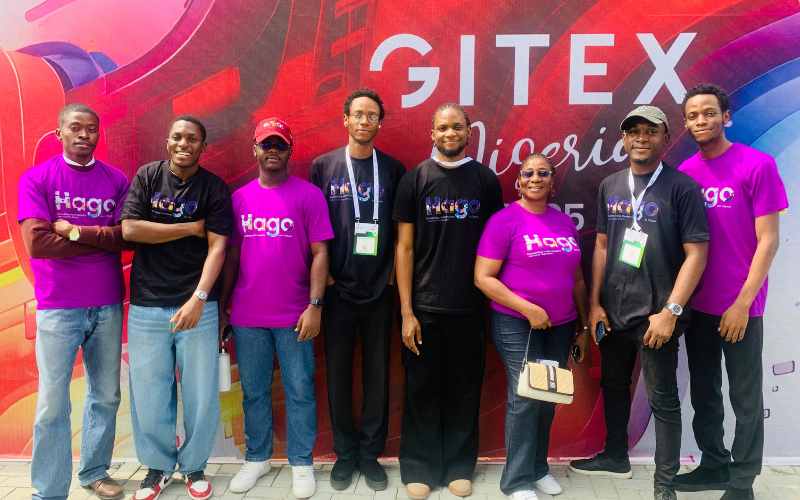
This persistent challenge spurred the emergence of HAGO Africa, a digital marketplace aimed at transforming how Nigerians and, by extension, West Africans connect with skilled service providers. The platform aspires to move the hunt for dependable talent out of WhatsApp groups and into an organized, transparent virtual environment where trust and accountability are paramount.
Samuel Imoisili, the visionary behind HAGO Africa and its CEO, addressed local journalists at a media roundtable in Lagos on Tuesday. Imoisili emphasized that the newly launched mobile app has been tailored for real-life needs—whether it’s urgent repairs at home, last-minute makeup sessions, or specialized professional services. According to him, “The HAGO app enables users to connect directly with pre-vetted service providers in their area—everyone from artisans and decorators to therapists and event photographers.”
Imoisili further explained, “Our mission is to make accessing everyday services easier, safer, and more transparent. We want to address the tension created by unreliable or unverified vendors and give skilled professionals a credible platform to showcase their work and build reputations based on real feedback.”
Speaking at the event, Imoisili noted: “We want to change that by creating a digital space where customers and vendors can interact safely, backed by verification and accountability tools. At its core, HAGO is about restoring trust. Customers have struggled with unreliable vendors for years, while skilled professionals have struggled to prove their credibility. HAGO changes that by making every connection transparent, secure, and built on accountability.”
Addressing the Persistent Puzzle of Trust
Trust is the coin of the realm in Nigeria’s informal economy, yet many customers either don’t have access to reliable recommendations or face repeated disappointment. HAGO responds with a robust verification process for vendors and a transparent rating system, aiming to make every connection safe and mutually beneficial. The app’s reach isn’t just limited to technicians or plumbers; categories on offer include chefs, designers, decorators, photographers, event planners, therapists, and many other skilled professionals.
For years, market observers and advocacy groups have called for better standards in the gig economy, as countless Nigerians face wasted funds and time from failed jobs or scams. According to Lagos-based small business consultant Mfon Udoh, “The lack of a digital trust framework has held back the artisan economy for decades. Most customers have horror stories, and good professionals lose out due to bad actors. A platform that vets its users could be a real turning point.”
Imoisili echoed this need for reform, stating, “We’ve all had those frustrating experiences where you hire someone who doesn’t show up or delivers poorly. We wanted to fix that by making every connection transparent and secure.”
How HAGO Africa Works: From Search to Secure Payment
The HAGO Africa mobile application is currently available on both the iOS App Store and Google Play Store, making it accessible to Nigeria’s growing base of smartphone users. Here’s how it works:
- Users can search for service providers across a variety of categories, tailored to their location.
- Direct chat capabilities enable clients to discuss project details, request quotes, and clarify expectations efficiently.
- Payments are handled through a built-in escrow system—users deposit funds into the app, which are only released once both parties confirm that the job is satisfactorily completed, reducing fraud and disputes.
- Ratings and reviews become part of a provider’s public profile, giving future customers more information and helping credible professionals stand out.
Beyond mere convenience, this digital approach tackles common problems endemic in local markets: pricing confusion, lack of documentation, and difficulty in recovering losses if something goes wrong. The secure escrow payment feature, especially, has been lauded by financial tech experts for reducing typical transaction anxiety faced by both clients and freelancers.
Benefits for Artisans, Professionals, and Clients
For many vendors—ranging from self-employed plumbers to full-fledged decoration firms—the platform represents more than just another lead generator. According to HAGO’s internal data shared with reporters, users see better visibility and customer reach, with transparent pricing tools allowing them to compete more fairly. Reliable communications and prompt payments also encourage higher professionalism across the ecosystem.
Imoisili observed, “For artisans and professionals, it’s no longer just about having technical skill—it’s also about building a trustworthy brand online. HAGO gives these skilled individuals access to the digital marketplace, helping them grow beyond their immediate community. This can level the playing field, especially for emerging talents.”
From the customer’s perspective, simplified discovery, built-in security features, and a clear review history mean greater peace of mind. In an era of digital transformation, such innovations could redefine shopping for services, just as e-commerce changed how Nigerians shop for goods.
Challenges and Competition: Adapting to Local Realities
Of course, the quest to digitize informal markets in West Africa is not without hurdles. Experts note that some artisans and skilled workers lack access to smartphones, data, or digital literacy, potentially excluding segments of the population. Others worry that enforcing quality control for services delivered offline can be tricky, and resolving disputes after the fact may remain challenging.
Competition in the space is heating up, with other platforms like Jiji, OList, and niche service providers trying to capture market share. Local analysts point out that success will depend on maintaining strict verification standards, resolving customer disputes swiftly, and investing in ongoing user education to ensure safety for both customers and vendors.
Regional Ambitions: Linking Nigeria to the Rest of Africa
While HAGO Africa has launched initially in Nigeria, executives made clear at the press briefing that expansion plans are on the horizon. The goal is to open the platform to other major cities across the country, as well as to additional African nations with similar market dynamics and growing demand for reliable local services.
According to West African market research published in 2023 by Statista, over 60 percent of urban Nigerian households have reported at least one incident involving an unreliable contractor or service provider within the past year. Similar trends are seen across Ghana and other regional economies, underscoring the potential and urgency for solutions tailored to local realities.
Expert Perspectives and Community Voices
Economic analysts and digital innovation advocates have called this move a positive sign for Nigeria’s growing tech ecosystem. Abidemi Ogundipe, a Lagos-based tech entrepreneurial advisor, commented, “Platforms like HAGO have great potential—if they can maintain trust, scale their offerings, and involve users in the feedback loop. Community-driven improvement will be key.”
Meanwhile, community members are cautiously optimistic. Chinedu, a small business owner in Abuja, shared: “If this app works as promised, it could save us all a lot of stress. But the real test is whether providers stay accountable and whether customers are actually listened to.”
Some critics also point out possible risks, such as the exclusion of unregistered but skilled workers, and the potential for fake reviews or manipulation if oversight is weak. They call for continued vigilance, robust moderation and cooperation with regulators and industry associations.
The Road Ahead
As HAGO Africa begins its rollout, many are watching closely to see how it will shape the future of local service delivery. Its promise of increased convenience, safety, and accountability marks a significant shift in the way Africans find and work with everyday professionals. If successful, this digital platform could set a new standard—not only in Nigeria but across other fast-growing markets on the continent.
Will HAGO bridge the gap between skilled professionals and everyday clients, or will it face the same pitfalls as earlier attempts to organize the informal workforce? For millions of Nigerians—and West Africans—who want more reliable options, the stakes could not be higher.
What challenges have you faced when hiring artisans or professionals in Nigeria? Do you believe platforms like HAGO can make a real difference? Share your story in the comments below, and follow us for more in-depth coverage of tech innovations shaping West Africa!
For general support or questions, contact us anytime at support@nowahalazone.com.
Join the conversation! Comment below, or stay connected with our community on Facebook, X (Twitter), and Instagram for the latest updates and stories impacting Nigerians and West Africans.