
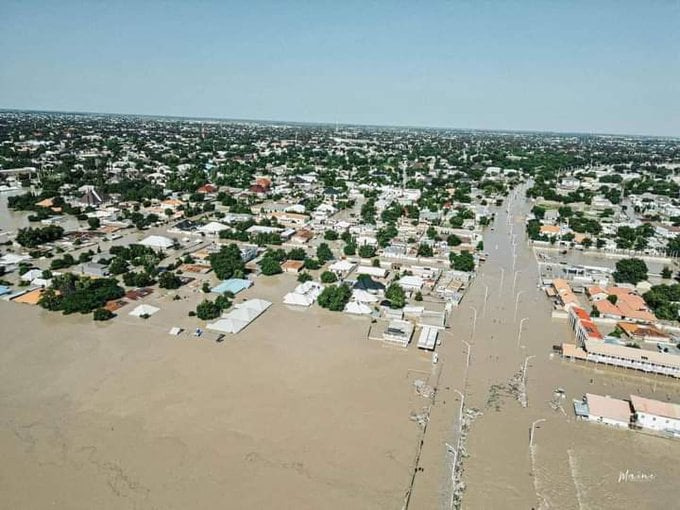
How do you rebuild after the water sweeps away everything—your home, your hope, your hustle? This is not just a question for far-flung communities; it’s a staggering reality for countless Nigerians facing the aftermath of the 2025 floods. The numbers on paper are daunting, but they barely capture the heartbreak on the ground. According to the flood disaster dashboard shared by the National Emergency Management Agency (NEMA), over 144,000 people have been displaced, and more than 240 lives have reportedly been lost. For millions, the 2025 flood season isn’t just a story in the news—it’s the story of their lives changed overnight.
Inside Nigeria’s Flood Crisis: The Explosive Scope Revealed
Let’s call a spade a spade—this year’s floods didn’t just soak shoes; they swallowed entire communities. The flood impact in Nigeria has been unprecedented, with NEMA confirming 839 injuries and 115 persons still missing nationwide. For every headline, there’s a mother, a farmer, a child left counting what is gone. The destruction reached deep into our fabric—over 52,000 houses were reportedly damaged, and a jaw-dropping 74,767 hectares of farmlands destroyed. Imagine the ripple effect when a whole year’s harvest washes away in a night!
The People Behind the Stats: Who’s Truly Affected?
Numbers are cold. Reality is not. Demographic breakdown from the dashboard paints a vivid picture:
- Reportedly, 82,820 men, 133,407 women, and over 197,000 children—yes, children!—are affected.
- 19,985 elderly persons caught in the aftermath, some with nowhere to go.
- In a stark reminder of vulnerability, 2,503 persons with disabilities are grappling with unique challenges amid the chaos.
For most, life has simply been turned upside down. Think about the child in Adamawa who can’t return to school, or the elderly woman in Lagos whose home became a river overnight. These aren’t faraway tales—they’re the lived experiences of our neighbours, brothers, and sisters. Who among us hasn’t lost something to rain or water damage? Now, magnify that by a thousand and imagine what these families feel.
Geographical Disparity: Not All Regions Bear the Brunt Equally
The local impact of Nigerian floods is as diverse as our people. Some states found themselves squarely in the eye of the storm. According to the official dashboard:
- Adamawa: 60,608 affected, with 23,077 displaced. People here, especially farmers, saw their lands and livelihoods vanish overnight.
- Lagos: Even in the urban hustle, 57,951 were affected, and 3,680 forced to flee their homes. When it rains, “Eko no dey carry last,” but this time, even Lagosians surrendered to the floodwaters.
- Akwa Ibom: 51,813 affected and 44,732 displaced. For a food basket state, this is no small wahala.
- Imo, Taraba, Rivers, Kaduna, Edo: Each state tells a similar story in different accents—with thousands struggling to rebuild.
The ripple cuts across Nigeria—north to south, city to countryside. Even states with fewer numbers, like Nasarawa or Kogi, weren’t spared from the rising waters. Ask anyone in these places—the fear is the same, the loss just as real.
Regional Flood Impact in Nigeria: Which Zones Struggle Most?
- South-South: 122,000 reportedly affected, with over 71,000 displaced. Communities in the creeks and along rivers bore the brunt.
- North-East: Over 105,000 affected, 31,000 displaced as rain turned farmlands to floodplains.
- South-East & North-West: Each with tens of thousands affected, and the stories are as diverse as the people—from traders to farmers to artisans.
- North Central & South-West: Even here, thousands are counting their losses, showing how no one is immune when nature turns rough.
One local businessman in Onitsha, Mr. Chukwuemeka Nwosu, told our team, “I have never seen a year like this; the rain did not just come, it came with force. Now, my shop is gone, my hope is on God.” His story is echoed from Port Harcourt to Kano—a true Nigerian chorus of resilience amid adversity.
Beyond the Headlines: Real Needs Facing Flood Victims
Flood aftermath is not just about ruined homes—it’s about urgent survival. NEMA has flagged the most critical needs: food, shelter, clean water, health services, and livelihood support. For families in makeshift camps, the promise of normalcy feels like a distant dream.
Let’s not forget other immediate needs: proper sanitation, nutrition for children, education for students displaced by the crisis, and robust protection against outbreak of diseases. According to Dr. Fatima Shehu, a public health specialist based in Maiduguri, “We are racing against time. If support doesn’t get to these communities quickly, we risk a secondary crisis of malnutrition and illness.”
Flood Response Barriers: Why Is Help So Tough to Deliver?
Even when government and agencies swing into action, roadblocks abound. Top challenges include:
- Resource shortages: 60% of aid needs reportedly remain unmet, as per NEMA.
- Insecurity in some affected regions: Up to 9% areas difficult for responders due to tension or violence.
- Poor road networks and inaccessible terrain: 18% inaccessibility, especially in rural or riverine communities.
- Community resistance and coordination challenges: The rest—a mix of mistrust, misunderstanding, and bureaucratic bottlenecks.
Is it any wonder that many survivors say, “Help dey come, but e slow like snail”? Many local NGOs are calling for a more coordinated response, and rural leaders plead for quicker, more transparent aid delivery.
Flooding in Nigeria: Why Does This Keep Happening?
Many are now asking: Are we learning from these disasters, or just moving on until the next rainy season? Climate change, unplanned urbanization, and blocked drainage channels are part of the problem, says the Nigerian Meteorological Agency (NiMet). Our experiences are not unique: across West Africa, from Ghana to Cameroon, similar stories of displacement and devastation are unfolding. According to the United Nations Environment Programme (UNEP), West Africa remains one of the most climate-vulnerable regions worldwide.
But does it have to stay that way? Not if preparedness improves, government investment becomes consistent, and communities are better educated about flood risks. According to Lagos-based disaster analyst Amina Yusuf, “With early warning and community engagement, we can reduce both the human toll and property losses.”
What Next? The Path to Rebuilding—And Staying Safe
There is no quick fix, but there is hope. Analysts urge all stakeholders—federal and state agencies, development partners, and the private sector—to unite around investing in early warning systems, sustainable housing for the displaced, and community-based education. This is not just a government issue; it’s a call for every Nigerian to play a role, whether by supporting affected neighbours, volunteering, or helping spread vital information in local languages.
- Community resilience starts with listening to survivors
- Prevention and preparedness must become a priority, not just a statement after the flood
- Strong partnerships will deliver resources more quickly to those who need them
If we take anything from the heartbreak of the last flood, let it be this: Nigeria is strongest when we come together, face our challenges head-on, and refuse to let disaster define our future.
What’s Your Experience with Floods in Nigeria?
How has flooding affected your community or someone you know? What are your suggestions for better solutions going forward? Share your insights, and help us drive the conversation on resilience, adaptation, and safety for all Nigerians. Let’s keep the dialogue open and look out for each other—after all, “a problem shared is a problem half solved.”
Got a story to tell about the floods or other pressing issues in your area? We’d love to hear your voice! Contact us to get your story published or discuss story sales at story@nowahalazone.com.
For general support, drop us a line at support@nowahalazone.com.
Don’t forget to follow us on Facebook, X (Twitter), and Instagram to join the conversation, get real-time updates, and connect with others who care about Nigeria’s future!
What’s your view? Drop a comment and let’s talk solutions!