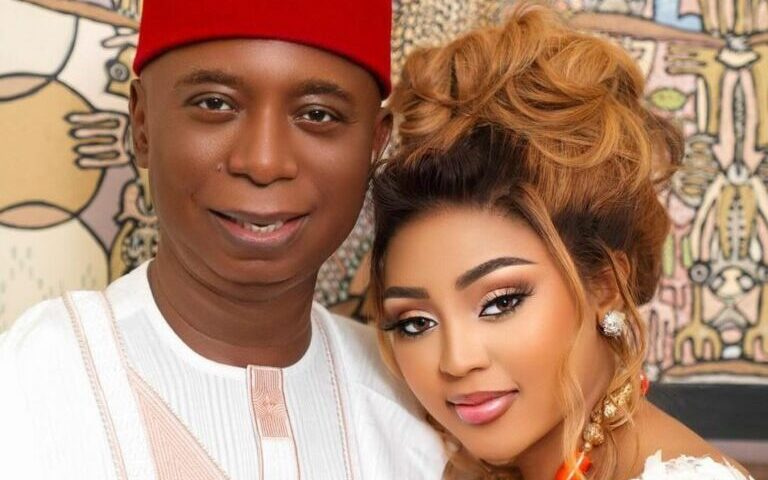

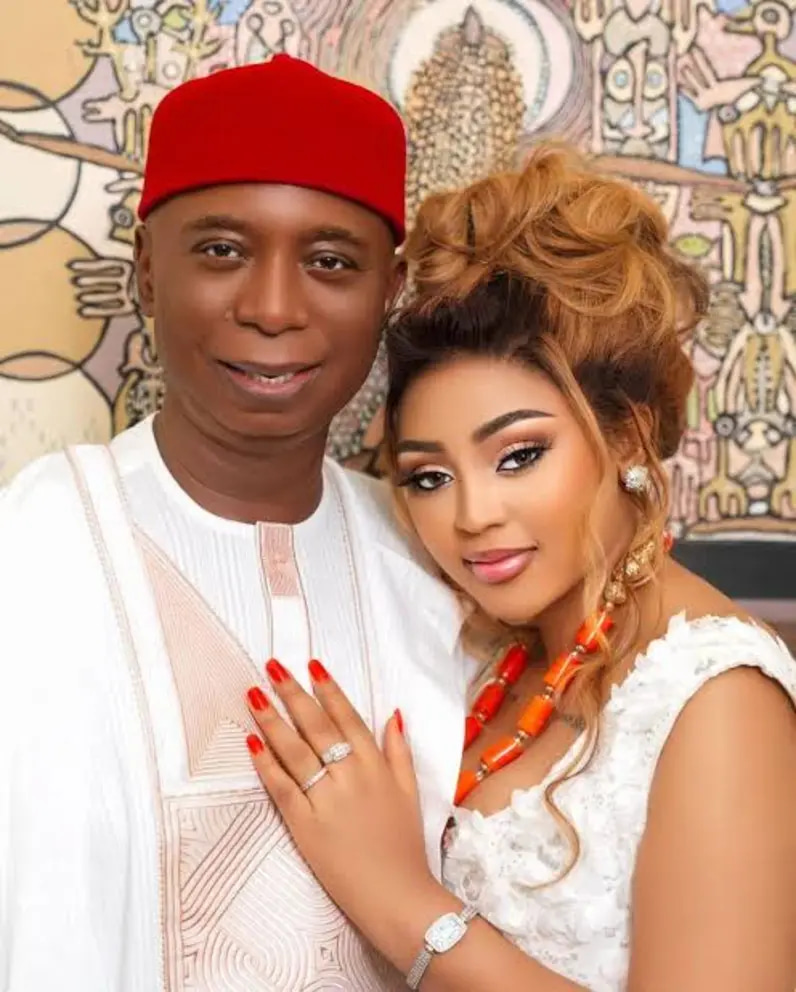
When a respected public figure voices deep personal concern, it usually shakes the table – but when Senator Ned Nwoko, who represents Delta North, opened up about the welfare of his popular actress wife, Regina Daniels, it sent people talking from Asaba to Lagos. Is it possible that the dazzling Nollywood star, often seen smiling on screen, now faces a private battle threatening her family life? According to Nwoko, a troubling series of events has prompted him to insist that Regina undergo rehabilitation to address alleged drug abuse for the sake of her wellbeing and their young family.
Pains of Celebrity: The Shocking Truth Behind the Headlines
In Nigeria, where fame can be both a blessing and a heavy cross, the public often forgets that stars like Regina Daniels face real struggles behind the glam. The situation, Senator Nwoko revealed during a Sunday interview with journalists, is far from ordinary. According to him, the move for rehabilitation isn’t about stigmatizing his wife but about safeguarding her mental and physical health—ensuring that she remains present and strong enough to raise their two children.
“I want her alive and healthy, not just for me, but for our children,” Nwoko reportedly stated, his words weighed down by visible emotion. The senator’s candid admission cuts deep, echoing concerns many Nigerian families share but often hide behind closed doors.
Inside the Crisis: Toxicology Reports and Worrisome Behaviour
Senator Nwoko didn’t mince words about the unfolding scenario. According to the lawmaker and supportive evidence he referenced, a “series of alarming toxicology reports” signaled unusual levels of harmful substances in Regina’s system. While he stopped short of detailing which substances were found, Nwoko emphasized that the issue was not just medical but also behavioural: “She’s no longer herself,” he said, alluding to a marked shift in her typically calm personality.
Friends and close associates, according to sources close to the family, have noticed a growing change in the beloved actress. In the past months, she allegedly started displaying violent outbursts and unpredictable behaviour, accompanied by recurring health problems. In Senator Nwoko’s own words: “We have two young kids together, and they cannot fight for themselves, so I’m going to fight for them by safeguarding their mother.”
This disclosure has sparked worry, curiosity, and passionate debate across social media and within Nollywood circles. One Lagos-based mental health advocate, Dr. Chinyere Bello, told us: “Drug abuse remains a hushed topic, especially among Nigeria’s elites. Clients often fear the stigma, but family intervention and open dialogue can sometimes be the turning point.”
A Broader Conversation: Drug Abuse in Nigerian Families
Nwoko’s transparency brings into focus a larger crisis gripping Nigerian society. According to the National Drug Law Enforcement Agency (NDLEA) and a 2018 UNODC report, millions of Nigerians, including youths and celebrities, are exposed to harmful drugs, with the South-South and South-East regions showing rising prevalence in recent years. The fear is no longer just about “other people’s children”—it now reaches boardrooms, movie sets, and the homes of well-known personalities.
With this in mind, Nwoko’s actions mirror choices real families must make every day: balancing compassion and tough love, breaking the silence to prevent tragedy. As he stated, “Many people have died of drug overdose, and if anything happens to her now, what will I tell her children tomorrow?” His voice resonates for any parent, spouse, or community leader faced with hard choices around addiction and recovery.
- Drug abuse: Remains one of the top concerns for medical professionals in Nigeria.
- Rehabilitation: Often a critical but underestimated resource for families in crisis.
- Mental health stigma: Still keeps many from seeking help early.
How Are Nigerians Reacting?
Reactions have been mixed within Nigerian online spaces and gatherings. While some sympathize with both Nwoko and Regina and applaud the senator’s resolve, others urge caution about airing such private matters in the public domain. One Abuja-based family counselor, Mrs. Folasade Ore, noted, “When public figures are open about addiction, it can inspire others—but there’s also the risk of judgement and social backlash.”
On the streets of Benin, a university student remarked, “E no easy o. People dey talk say fame no come with wahala, but you no go know the pressure until e reach your side.” In many ways, their reactions underscore the everyday reality that mental health and substance abuse are not the exclusive challenges of the rich or famous; they touch all walks of life.
What Can Nigerian Families Learn From This Case?
While the details of Regina Daniels’ alleged struggle are deeply personal, the broader lesson for families across Nigeria is simple: early intervention, honest conversations, and seeking professional help save lives. Experts, like those at the UN Office on Drugs and Crime (UNODC), recommend family-based prevention, open communication, and destigmatizing addiction treatment. In Nigeria’s context, where a parent’s reputation can often determine a child’s opportunities, acting quickly and decisively can make the difference.
Public health officials continue to call for more support systems for those battling addiction. There is also increasing advocacy for Nollywood and other creative sectors to prioritize mental health, not just for the stars, but for everyone behind the camera too.
- Community-based rehab: Adapts traditional family values to modern solutions.
- State and private partnerships: Can improve access and reduce stigma around seeking help.
- Education: Robust school campaigns and Nollywood content can raise awareness and foster empathy.
Alternative Perspectives: Privacy, Parenthood, and the Road Ahead
Some social commentators urge caution: publicizing such deeply personal matters may have unintended effects, and there’s ongoing debate on social media about where to draw the line between transparency and oversharing. Others insist that breaking the silence helps people relate and know they are not alone in their battles.
Legal experts note that while spouses may intervene for loved ones dealing with drug misuse, the best results come from participatory decision-making and respecting human rights. Under Nigerian law, consent remains a vital part of mental health interventions (see the Mental Health Act passed in 2021), and every family must weigh these factors carefully.
One thing is clear: stories like Regina’s, whether in celebrity homes or ordinary households, force open crucial conversations. And as Nigeria grapples with the dual stigmas surrounding addiction and public confessions, the experiences of prominent families can sometimes light the way for others facing silent struggles.
Final Thoughts: A Call for Empathy and Action
No one plans for trouble, but when storms hit, family, honesty, and community matter more than ever. As Senator Ned Nwoko calls for his wife’s rehabilitation, his message to Nigerians is unmistakable: even in the brightest homes, the shadows of drug abuse can appear, but compassion and timely support can help families find their way back.
What are your thoughts on handling mental health and addiction in Nigerian families—should public figures speak up, or is privacy paramount? Drop your comments below and keep the conversation going. For updates on issues affecting Nollywood, celebrities, and Nigerian homes, don’t forget to follow us!
For support or general questions, reach us at support@nowahalazone.com.
Stay connected on Facebook, X (Twitter), and Instagram for more updates and inspiring stories!