
Is there any greater heartbreak than hearing news of lives cut short on a Monday morning? In the heart of Doma Local Government Area, Nasarawa State, tragedy struck as three young men—Tailor Gayu, Zacharia Wudu, and James Delle Iwala—reportedly fell victim to a suspected bandit attack. As villagers awoke to another ordinary day, a shocking reality emerged: insecurity had, once again, cast its shadow over a peaceful Nigerian community.
Three Lives, One Morning: The Inside Story of the Doma Ambush
Around 8 a.m., the three friends set out on what should have been a simple errand to Atukpo, a small Koro settlement known for its tight-knit families and early risers. Nobody expected that journey would be their last. Their motorcycle, a familiar sight on the village road, was later found missing—allegedly taken by the attackers. For their families and neighbours, the day’s routine was forever shattered.
In a chilling twist of fate, it was local farmers on their way to the fields who came upon the victims. “They left home in good health, greeting everyone like they always did,” recalled a shaken resident. The breaking news soon rippled across Doma, with anxious phone calls piercing the morning quiet like thunder after harmattan haze. Many asked: Could this have been prevented?
Bandit Attacks in Nasarawa: Why Is Insecurity On the Rise?
Violent attacks have become an all-too-familiar refrain in parts of North Central Nigeria, particularly along rural routes in Nasarawa State. According to official reports, the region has seen a worrying hike in highway ambushes, cattle rustling, and robbery—much of it allegedly perpetrated by organized bandit groups. This begs a tough question: why do these incidents keep happening, and what is being done to curb them?
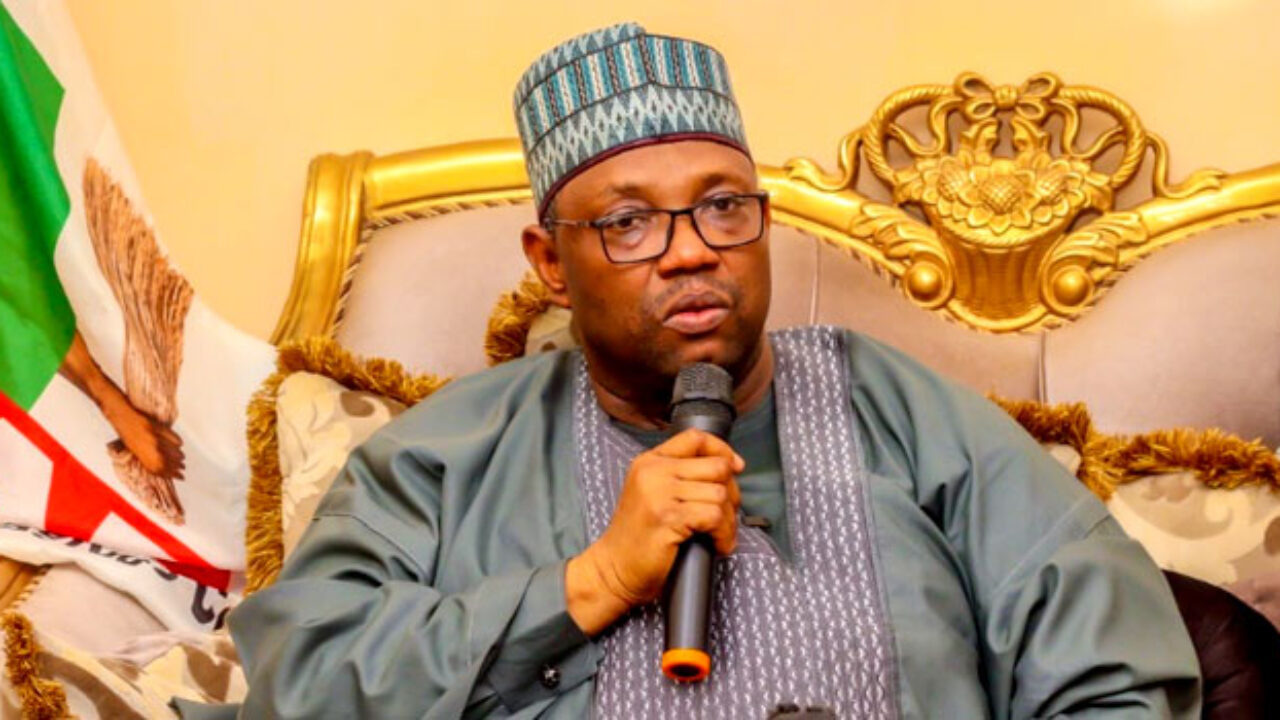
Governor Abdullahi Sule, responding to public concern, recently renewed his government’s commitment to tracking down criminal networks and restoring safety to affected communities. Barely two days before this latest attack, he publicly vowed to clamp down on “criminal elements infiltrating Nasarawa State,” emphasizing that no corner would be left unattended. Yet, the incident in Doma is a stark reminder that more must be done, and fast.
The Human Toll: Voices From the Community
For those who knew Tailor, Zacharia, and James, their loss is more than a headline—it’s a deeply personal wound. Mr. Nathaniel Ajeh, a relative of one of the deceased, told local reporters: “They went out early in the morning, not knowing it would be their last. We are deeply pained. The government must act fast to stop these senseless killings.” His words hung heavy in the air, echoing the mood in many rural communities grappling with similar threats.
Residents now find themselves asking, “Na who next?” and “If our farms and roads are not safe, wetin remain?” Such expressions reveal a deep worry that cuts across Nasarawa’s diverse populations—Koro, Tiv, Egon, Alago, and others. Insecurity has changed daily routines: some villagers now hesitate to travel in the early hours, while others leave in groups, constantly checking over their shoulders.
Comparing Security Challenges: How Does Nasarawa’s Situation Measure Up?
While Nasarawa’s headlines may appear grim, the region is not alone in facing rural banditry. Similar trends are being reported in Zamfara, Niger, and Kaduna States, with hundreds of people displaced and countless livelihoods disrupted. Security analysts, such as Dr. Yusuf Ali from the Centre for Democracy and Development, point out that competition over farmland, resource scarcity, and weak local policing are fuelling a complex web of violence across the Middle Belt.
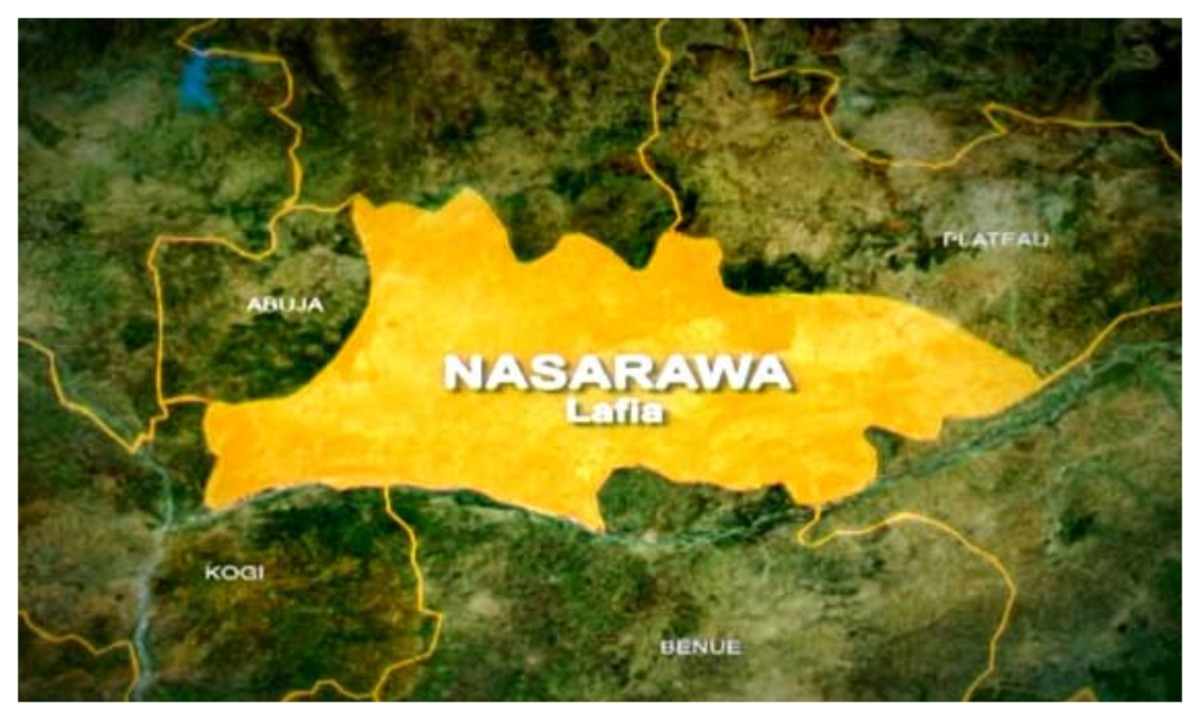
Yet, Nasarawa’s officials note some unique challenges. The state’s strategic location—bordered by Benue and Plateau—makes it a key transit route for both commerce and criminal activity. Locals recall previous attacks in Doma and Obi LGAs, with similar patterns of ambushes and vehicle theft. Despite ongoing military operations and checkpoints, remote areas remain exposed.
Community Resilience and Calls for Action
Despite the pain, Doma’s spirit has not been broken. Community leaders, youth groups, and faith-based organizations have all amplified calls for stronger security patrols and improved intelligence sharing between locals and law enforcement. A local vigilante team, speaking anonymously, described how residents have started organizing neighbourhood watches, even as they urge the government to provide better support and training.
- Increased Patrols: Locals call for more visible police and military presence on rural roads.
- Engagement with Traditional Rulers: Many believe community leaders should be key partners in intelligence gathering.
- Investment in Youth Empowerment: Some argue that reducing unemployment could help steer young people away from criminal networks.
Experts stress that a multi-layered response is needed: strong legal frameworks, prompt prosecution of suspects, and grassroots involvement. As security authorities investigate this latest incident, families say justice must not be delayed. In Nigeria’s current climate, where trust in the system is often fragile, swift and transparent action sends a powerful message—banditry has no place here.
From Local Sorrow to National Challenge: What’s Next for Nasarawa?
The story from Doma is, sadly, not an isolated case. Across Nigeria, communal anxieties over safety are mounting, with many communities calling for both more resources and reform. Experts urge unity, saying it is high time stakeholders—governments, traditional councils, and civil society—came together to “join hands” and break the cycle of violence, as Nigerians so often say after moments of shared loss.
Globally, the challenge of rural security is not limited to Nigeria. Similar scenarios have been recorded in other West African nations like Burkina Faso and Mali, where rural communities face banditry, kidnapping, and disruptions to agriculture. The international community, including agencies such as the Office of the United Nations High Commissioner for Human Rights, continues to support Nigeria in capacity-building and early warning systems to tackle insecurity from the grassroots up.
But for now, the residents of Doma await answers, comforted only by the support from their neighbours and the hope that justice will soon be served. In the words of one farmer, “Today it’s them, tomorrow it could be anyone. All we ask is for peace to return, so we can farm and trade in peace.”
How Can Rural Communities in Nigeria Stay Safe?
Many Nigerians wonder: What practical steps can families in Doma and beyond take to safeguard themselves while government efforts catch up? According to security experts and police advisories, some measures include:
- Travelling in groups, especially at off-peak hours
- Maintaining regular communication with community leaders
- Reporting strange activities or faces to local authorities immediately
- Participating in community watch groups
Government officials have also stressed the importance of “community policing” and information sharing to help curb future threats. But some residents fear these measures are not enough. The call for lasting peace often feels like shouting inside a well and hoping someone hears on the surface.
Conclusion: The Road Ahead for Nasarawa and Nigeria
The deaths of Tailor Gayu, Zacharia Wudu, and James Delle Iwala are a sobering reminder that maintaining rural security requires collaboration, vigilance, and timely government intervention. As Nigerians across states seek answers, the spotlight is now fixed on both authorities and grassroots communities to drive lasting change.
What steps do you think should be prioritized to reclaim safety in our roads and villages? Are there unique solutions your community uses to stay safe? Drop your opinions or share your experiences in the comment section and follow us for regular security updates that matter.
Do you have a news tip, eyewitness account, or story to share from your Nigerian community? We want to hear your voice! Reach us at story@nowahalazone.com to submit your story or discuss getting it published. For support or other inquiries, contact us at support@nowahalazone.com.
For the latest updates and to join the conversation, follow us on
Facebook,
X (Twitter), and
Instagram!
Together, let’s spotlight real issues and champion the change we all desire. Stay safe, stay informed!