
Dollar to Naira Black Market Exchange Rate: The Shocking Truth Nigerians Face Today
Ever found yourself at a Bureau de Change, gripping your dollar notes, wondering, “Is today’s Aboki rate going to cut me or bless me?” For millions of Nigerians, that question has become a daily struggle—one that determines their ability to buy, trade, or simply survive in a climate where the exchange rate can swing faster than an okada weaving through Lagos traffic. Buckle up as we dive into the turbulent tides of Nigeria’s dollar to naira black market rate for 11th November 2025, revealing not just the numbers, but the personal stories and local realities behind them.
Black Market Dollar to Naira Rate: Aboki Speaks
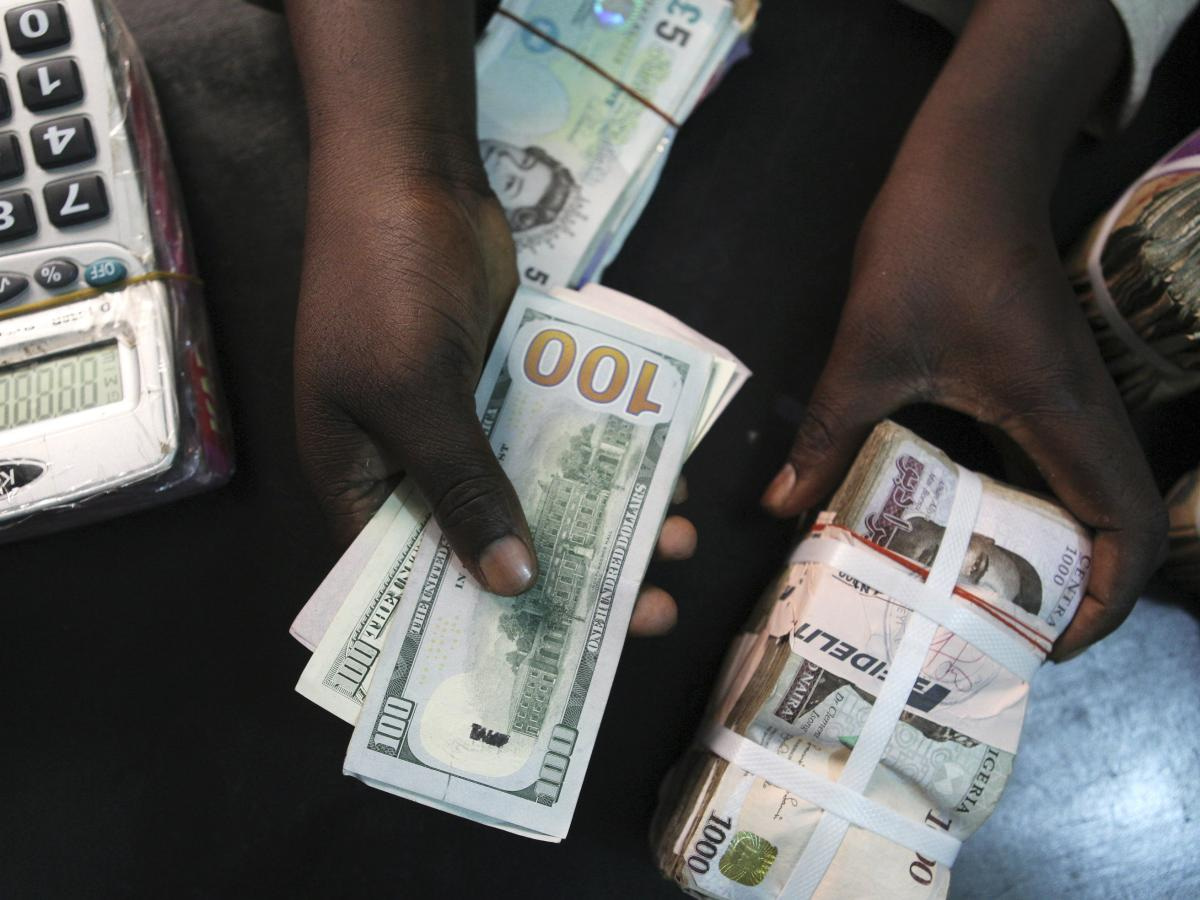
You didn’t need a crystal ball—just a quick stroll through Balogun Market or the back alleys of Abuja, and you’d hear the whispers: “Dollar na ₦1465, no be joke, e dey hot!” According to several traders in Lagos, on Tuesday, 11th November 2025, you could sell one US dollar for ₦1465, while buyers were pushing hard, trying to get it at ₦1443. These rates, while lucrative to some, represent mounting tension and anxiety for families and businesses relying on imports or international remittances.
| Black Market Dollar to Naira Rates (11th Nov 2025) | |
| Selling Rate | ₦1465 |
| Buying Rate | ₦1443 |
CBN Rate vs Black Market: The Great Divide
The Central Bank of Nigeria (CBN) has a different story to tell. According to the CBN’s official report, the dollar exchange hovered between ₦1440 (highest) and ₦1436 (lowest) in the regulated market on the same day. The CBN has continued to emphasize that the parallel (black) market is not recognized, urging Nigerians to trade through official banks or licensed entities. Still, for many, the gap between official rates and black market realities is more than just numbers—it’s a daily reminder of the country’s ongoing forex challenges.
| CBN Official Dollar to Naira Rates (11th Nov 2025) | |
| Highest Rate | ₦1440 |
| Lowest Rate | ₦1436 |
Why Does the Black Market Dollar Rate Matter So Much?
Let’s face it: Even with CBN’s warning, the black market rate isn’t just some random statistic. It’s what parents use when wiring money for their children’s school fees, what tech enthusiasts sort through when shopping for gadgets online, and what importers juggle while watching their profit margins disappear. As Mrs. Chidinma, an electronics trader at Alaba, put it: “If you wait for bank rate, your goods go disappear for port, but na black market dey move things sharp-sharp!”
Pounding Naira, Soaring Anxiety: Real Life Impacts
Imagine waking up and finding that yesterday’s naira won’t stretch as far today. With rates creeping higher, the cost of everything—from fuel to toothpaste—skyrockets. Parents are grappling with new school fee surcharges linked to dollar rates, while traders lament shrinking profit margins. SMEs, already on shaky ground, sometimes pay thousands extra per consignment as rates fluctuate overnight. According to a Lagos-based economist, “The persistent gap between official and parallel market rates fuels uncertainty and can destabilize critical sectors.”
- Remittances: Many Nigerians in the diaspora now rely on the black market to send funds back home, since official channels may leave their loved ones short-changed.
- Education: Families saving for study abroad are hit hardest, as tuition keeps leaping with every currency shake.
- Business: Importers face daily headaches, while price tags change so often that shopkeepers sometimes use pencil instead of ink.
Why Is the Naira Falling? A Quick Look at The Bigger Picture
Some might ask, “Oga, why e be say our naira dey lose value like this?” The answer isn’t simple. Low oil earnings, dwindling foreign reserves, heavy demand for dollars, and policy uncertainty play heavy roles. Add to that the global market uncertainties, and the result is a volatile naira, with the black market often setting the tone for street-level reality.
How Are Nigerians Adapting?
Nigerians are known for their grit—and in true Naija spirit, many have found savvy ways to cope:
- Hustling Side Gigs: More people are freelancing, exporting online skills to earn in foreign currency.
- Pooling Funds: Communities and associations now group together to secure better rates.
- Digital Solutions: Fintech apps are springing up to help users monitor rates and snag good deals, but caution is always advised—official channels remain the safest bet for large transactions.
What’s the Hope for The Naira?
There’s no magic wand, but financial experts—like Dr. Abdul, a lecturer at University of Ibadan—note that increased transparency, tighter monetary policies, and aggressive support for local industries are needed. “We must close the gap between official and black market rates, not just by enforcement, but by building confidence in the system,” he explained. The CBN continues to encourage Nigerians to approach their banks for foreign currency transactions, stressing the risks of bypassing established procedures.
Local Voices: Everyday Experiences at the Forex Frontlines
From business moguls to market women, there’s a unifying cry: the need for stability. Mr. Ayo, a small tech entrepreneur in Abuja, described how he checks the exchange rate as soon as he wakes up. “It’s like checking the weather—if dollar too high, Omo, my suppliers no go send parts!” Meanwhile, University students on scholarship overseas watch the rates with equal tension, timing their remittances for when the naira seemingly ‘breathes small air.’
Global Impact: Why the World Is Watching Nigeria’s Forex Drama
The dollar to naira struggle isn’t just a local gist; it’s got Africa—and indeed, international stakeholders—watching closely. Nigeria’s economy remains a bellwether in West Africa, with fluctuations rippling outward to neighboring nations. Investors, aid agencies, and multinational firms track the black market rates, knowing that stability here could spell growth or chaos across the region.
Your Say: What Next for the Naira—and for You?
Nigerians have a never-say-die attitude, but rising dollar to naira black market rates are testing even the strongest resolve. Have recent changes left you feeling cornered, or are you finding creative ways to adapt? What moves are you making in this currency chess game?
Share your views, real-life dollar-to-naira stories, or money-saving tips in the comments! And don’t forget: For the freshest updates, follow us and join the conversation—your experience could help another Nigerian outsmart the odds.
Got a forex or money gist to share—or maybe a business dilemma caused by these ever-wahala exchange rates? Want your story out there or even wish to sell your exclusive scoop? Reach out to us at story@nowahalazone.com and get your hustle or heartbreak featured on our platform.
Need general assistance or want to discuss story sales? Contact support@nowahalazone.com. And don’t forget to follow us for live updates and exclusive insights on Facebook, X (Twitter), and Instagram—your financial future might just thank you!