
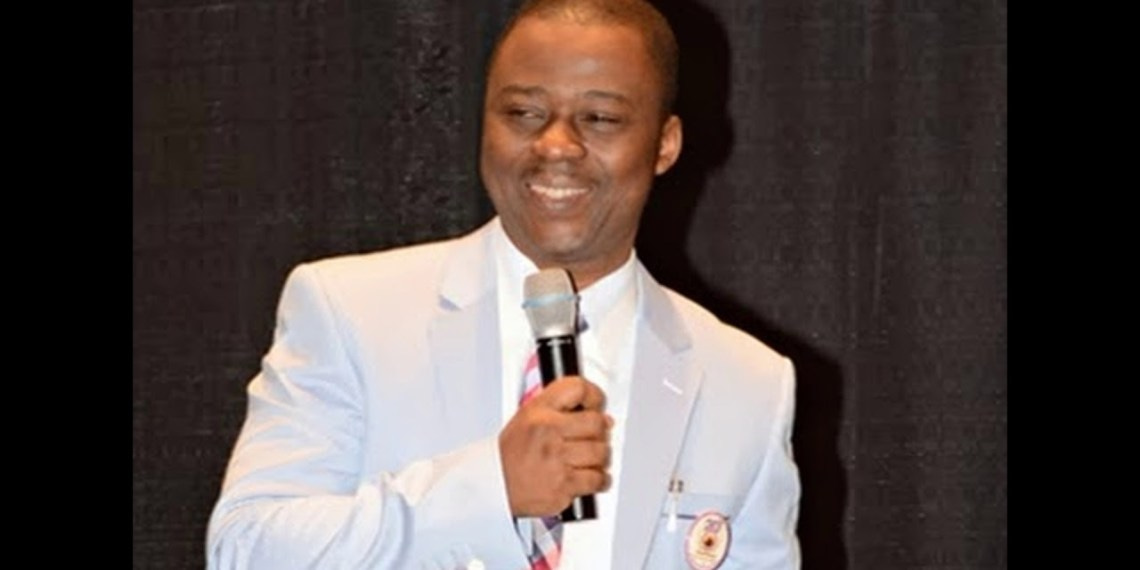
Is the renowned Mountain of Fire and Miracles Ministries really at the heart of a global storm, or just caught in the crosshairs of bureaucratic scrutiny? For many Nigerians at home and abroad, hearing reports that a beloved homegrown church faces allegations of financial mismanagement in the United Kingdom feels like a bucket of cold water. As news of the UK Charity Commission’s report spread like wildfire, the reactions ranged from concern to outright disbelief.
But what exactly happened—and what does it mean for the church’s reputation and its thousands of supporters? Let’s peel back the layers of this headline-making controversy, step into the shoes of those directly affected, and examine the facts through a Nigerian lens.
MFM Ministries in the UK: Explosive Allegations and Immediate Action
In March 2018, the UK Charity Commission launched a statutory inquiry into Mountain of Fire and Miracles Ministries International (MFM)—a Nigerian-founded church with a powerful following worldwide. According to official sources, the regulator alleged that the church’s trustees had lost their grip on financial management, specifically across its rapidly multiplying UK branches.
Their report painted a dramatic picture: over 100 separate bank accounts, many opened and managed without central oversight or timely income reporting, and branches making key financial decisions without trustee authorization. The result? The Commission reportedly froze MFM’s UK assets, warning that such weak internal controls put donor money at risk.
Nigerian Reactions: “Na wah o!” — Is There More to the Story?
For many Nigerians, it’s hard not to feel a pinch of frustration—or even skepticism. After all, is this the kind of “gist” that builds faith or shatters trust? Church members from Lagos to London immediately began questioning the narrative. Could such a respected institution, known for fiery prayers and community service, suddenly be painted as a poster child for financial recklessness in the international arena?
Local accountant and Lagos-based church analyst, Chinedu Okafor, put it plainly: “How dem go manage over 90 branches without small wahala? If you rush to grow, but you no set ground rules, e go dey like fetching water for basket.”
The MFM Response: Challenging the Shocking Truth
Stepping out to defend his church, MFM’s spokesperson, Mr. Dan Aibangbe, swiftly rejected the Commission’s claims as exaggerated and “not surprising.” He clarified that no assets were ever frozen under any court order, insisting that the Charity Commission’s language had blown the matter out of proportion. He admitted, “Yes, there were some shortcomings, but the report is not entirely balanced.”
In a detailed account, Mr. Aibangbe explained that the controversy stemmed from funds being transferred between banks without prior notification or approval from the Charity, and only the Interim Manager having signatory rights during the investigation period. He pointed out that after the discharge of the Interim Manager, the full funds—along with accrued interest—were returned to the original bank and placed firmly back under the trustees’ care.
Perhaps most crucially, Mr. Aibangbe said, “At no time did any court or the Charity Commission freeze the assets of MFM in the UK. No trustee was found to have stolen or fraudulently handled money.”
Inside the Investigation: How Did Financial Controls Slip?
According to the Charity Commission, the church saw explosive growth in the UK—expanding quickly from just a handful of local assemblies into more than 90 branches. Unfortunately, that rapid rise did not come with equally rapid improvements in financial governance or controls. The Commission’s findings included:
- Poor oversight of employment contracts, leading to costly settlements
- Branches acting independently without seeking central approval
- Large transactions, such as buying property, executed without input from trustees
- Over 100 bank accounts operated with minimal reporting back to headquarters
The regulator concluded that the lack of a unified system exposed charitable funds to unnecessary risks—a scenario that would worry any organisation, especially one that relies on public donations and trust.
The Local Angle: Why This Hits Nigerians Differently
For many in Nigeria and the diaspora, churches are much more than places of worship—they are cultural anchors, safety nets, and launching pads for social change. When allegations like these surface, the impact cuts deep. Not only do they spark debates about accountability, but they also threaten the trust that so many have poured into their faith communities for generations.
Abuja-based legal practitioner Amaka Eze noted: “Gone are the days when people would shrug and move on. Donors want to know how their money is used, and regulators abroad are not smiling. It’s a sign that every Nigerian institution—whether at home or in the UK—must have solid financial controls, especially if they handle large sums or international donations.”
Broader Implications: Lessons for Nigerian Churches and NGOs
This isn’t the first time charity governance has come under fire—both at home and abroad. In Nigeria, the Corporate Affairs Commission and anti-corruption agencies routinely encourage churches and NGOs to adopt global best practices for transparency. It’s a timely wake-up call for all faith-based groups: grow wisely, but set strong systems in place before the spotlight finds you.
- Internal audits and regular reporting must be standard, not luxury.
- Trustees need training on UK/EU regulatory expectations.
- Clear channels between branches and headquarters reduce risk.
Internationally, many charities have faced similar scrutiny. In 2019, a UK charity supporting African students faced asset controls when it failed to provide transparent financial records, according to Charity Commission reports. The underlying message travels across borders: accountability builds trust, and every organisation—no matter its track record—can find itself under the searchlight.
Conclusion: Building Trust by Embracing Accountability
At the heart of the matter is the strength of trust that binds Nigerian communities—both at home and overseas. As the dust settles from this high-profile report, MFM Ministries and other organisations can use this moment to invest in stronger systems and clear communication. That way, when the world watches, we stand not only as custodians of faith, but also as champions of accountability.
So, what’s your own take—should Nigerian churches operating abroad adopt stricter financial oversight to avoid similar wahala in the future? Have your say in the comments below and join the conversation!
For general support, reach out at support@nowahalazone.com.
Keep up with more thought-provoking stories and in-depth Nigerian news: follow us on Facebook, X (Twitter), and Instagram!