
Cutting down food waste is less about strict rules and more about embracing a fresh mindset in the kitchen—something relevant for every household in Nigeria and beyond. With food costs rising and waste worsening environmental challenges, especially in cities like Lagos and Accra, it’s vital to rethink how we shop, cook, and store ingredients. For many, a simple strategy is to snap a quick photo of what’s already in your kitchen before heading to the market. This little trick helps you avoid duplicate purchases and stick to essential items on your shopping list.
Proper food storage is another game changer, especially in regions with unreliable power supply leading to food spoiling faster. Airtight containers, using up more perishable items first, and getting creative with “old” ingredients can save time, money, and reduce the volume of food that ends up in waste bins. Instead of tossing that soft carrot or leftover rice, ask: What can I make of this? Explore unusual combinations and add a touch of curiosity to your everyday meals. As many Nigerian chefs and home cooks would agree, low-waste cooking isn’t just about restriction—it’s about freedom. It’s the art of taking whatever you have and turning it into vibrant, nourishing meals that respect your family’s pocket and the planet.
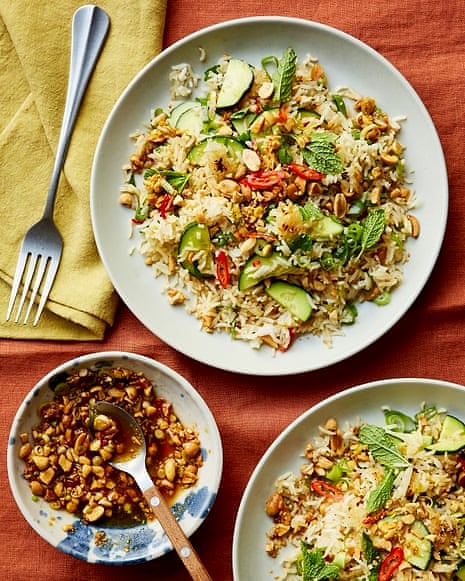
Crispy rice with peanut-chilli crunch
For anyone who’s ever wondered what to do with yesterday’s leftover rice, here’s an idea that transforms the common Nigerian kitchen dilemma into something extraordinary. Instead of seeing cold, clumped rice as uninspiring, it can become the base for a sizzling, flavour-filled dish. This recipe takes that same day-old rice, presses it into a hot pan to develop a crispy crust, then tosses it in a punchy dressing rich with peanuts, a little chilli, and tamari or soy sauce. It’s finished with fresh cucumber, spring onions, and mint for a satisfying mix of textures and tastes. The ingredients, easily found at local markets, highlight flavours popular across West Africa yet feel fresh and global.
Prep 10 min
Cook 15 min
Serves 4
2 tbsp neutral oil
400g leftover cooked rice (cold rice works best for a crispier texture)
60g roasted peanuts, with extra for serving
2 tbsp tamari or soy sauce
1 tbsp rice vinegar or cider vinegar
1 tsp maple syrup
1 red chilli, finely sliced (de-seeded), or ½ tsp dried chilli flakes
4 spring onions, thinly sliced, greens and whites kept separate
½ cucumber, sliced in half-moons
Small handful of mint leaves, shredded for garnish
Warm the oil in a medium frying pan, then spread the cold rice out evenly and press it down to cover the base. Allow it to cook undisturbed for about eight to ten minutes, until the bottom forms a golden, crispy layer—similar to the burnt rice, or “bottom pot,” many Nigerians already love!
While the rice crisps, crush the peanuts in a mortar and mix with tamari, vinegar, maple syrup, chilli, and the whites of the spring onions to form a spicy, nutty dressing.
Once the rice is crisp beneath, break it apart into rough chunks, pour over the dressing, and toss while still warm so the flavours meld together.
Fold in the cucumber and green parts of the spring onion, then serve topped with mint, extra chilli, and more peanuts. This dish proves that some of the most memorable meals are born from what’s already at home—something many Nigerian mothers and grandmothers have been doing for generations.
Charred broccoli and white bean smash on toast
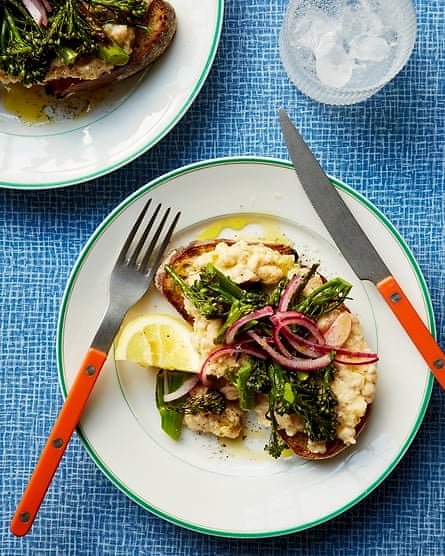
Sustainability-minded cooks across Africa are embracing recipes that use every part of an ingredient, and this “smash” is a fine example. Broccoli, often regarded as an imported vegetable but now grown in Jos, Plateau State, finds new value when both stalks and florets are utilised. Here, they’re charred for maximum flavour, lending a slightly smoky note that pairs perfectly with garlicky, lemony white beans.
Spread this nutritious mix over slices of toasted sourdough—don’t worry if your bread is a little stale; it will crisp up beautifully. To finish, add bright pickled red onions. You can easily prepare them at home by thinly slicing a red onion, covering with apple cider vinegar, a tablespoon of sugar, and a teaspoon of salt, then letting the mixture rest. In Nigeria, where sourdough can be swapped with local agege bread, and white beans or cannellini can be subbed with locally available beans, this dish remains both accessible and flexible.
Prep 10 min
Cook 10 min
Serves 4
Olive oil
2 garlic cloves, peeled and chopped
400g cannellini beans (or local white beans), rinsed
Zest and juice of 1 lemon, with extra for serving
Sea salt and black pepper
4 thick slices sourdough (or stale local bread)
250g cooked broccoli (stalks and florets), chopped
Pickled red onions (homemade or shop-bought)
Preheat your oven grill to 150°C (300°F). Warm a tablespoon of olive oil with the chopped garlic in a small pan, add the beans, lemon zest, and juice, plus a splash of water. Mash the mixture until you achieve a chunky consistency; season well.
Pile the bean smash on toasted bread slices, top with charred broccoli pieces, and finish with a scattering of pickled onions and an extra squeeze of lemon. According to culinary experts in Lagos, using the brine from the pickled onions in your bean mixture introduces a well-rounded zing, reducing the need for extra seasoning and waste.
Tomato and lentil pasta bake
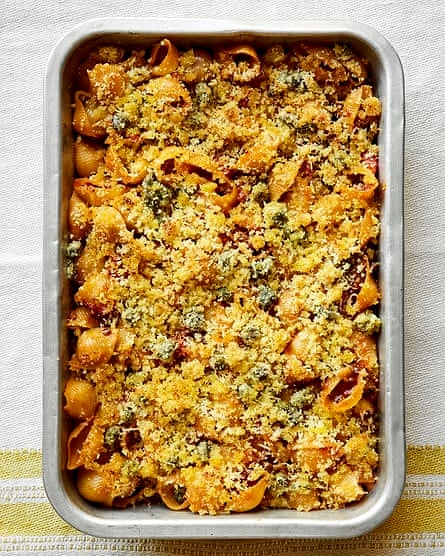
Pasta bakes are perfect for busy Nigerian families seeking affordable and hearty dishes using leftovers. This approach takes leftover tomato sauce, combines it with short pasta and tinned lentils (or freshly cooked Nigerian lentils), then tops with crunchy breadcrumbs. If you’ve got a bit of stale bread lying around, this is a classic way to give it a second life. Modern dieticians in Nigeria claim that introducing lentils to more dishes can help boost plant-based protein in everyday meals—important in a region where beans and lentils are affordable, filling, and nutritious.
Prep 5 min
Cook 25 min
Serves 4
Sea salt and black pepper
350g short pasta (penne, rigatoni, or local alternatives)
500ml leftover tomato sauce
400g tin cooked lentils (or local substitutes), rinsed
50g fresh breadcrumbs (from stale bread)
2 tbsp capers
2 tbsp olive oil
2 tbsp nutritional yeast or grated hard cheese (optional)
Begin by preheating your oven to 200°C (180°C fan)/390°F/gas 6. Cook your pasta three minutes less than the package instructions and reserve some of the pasta water.
In a large bowl, mix your pasta, tomato sauce, and lentils together, adding a splash of pasta water if the mixture looks dry. Pour the pasta mixture into a deep baking dish.
In a separate bowl, blend the breadcrumbs, capers, olive oil, and nutritional yeast or cheese. Spread this over the pasta, then bake for 15 minutes until the top is golden brown and crisp. This dish is perfect with a side of fresh vegetables or any remaining produce in your fridge. Experts suggest adding a dash of caper or olive brine to the sauce for an umami kick, ensuring nothing goes to waste.
These recipes are not only practical for combating food waste but also adaptable—swap in local beans, vegetables, or spices to suit your family’s palate and what’s available at your local market. According to environmental advocates, reducing kitchen waste is a key step toward more sustainable food systems in Nigeria, where post-harvest losses already account for over 40% of total food waste (according to the Food and Agriculture Organization).
For Nigerians and West Africans, creative cooking with leftovers is nothing new—but with rising prices and global conversations around sustainability, there’s more incentive than ever to maximize every ingredient. As Lagos-based chef Ngozi Udeh puts it, “Every ingredient has potential. The key is to see possibilities, not problems.” Whether you’re stretching a pot of rice, giving new life to vegetables, or making the most out of the last slices of bread, every little bit counts—in your kitchen and for the environment.