
Is marriage in Nigeria an act of deep mutual commitment, or just one more cultural terrain marked by controversy? That’s the million-naira question giving many sleepless nights after social media figure Gehgeh sat with the folks on ‘The Honest Bunch’ podcast and, as Nigerians say, “pour sand sand inside garri” on tradition itself. Gehgeh’s blunt take on African marriage proposals—questioning why men should kneel for women—has whipped up a storm of emotions across the country, from the trendy streets of Lekki to the calm corners of Ilorin. But what’s truly behind this “un-African” proposal debate, and why does it matter to so many?
Shocking Reveal: Gehgeh Declares Marriage Proposals By Kneeling “Un-African”
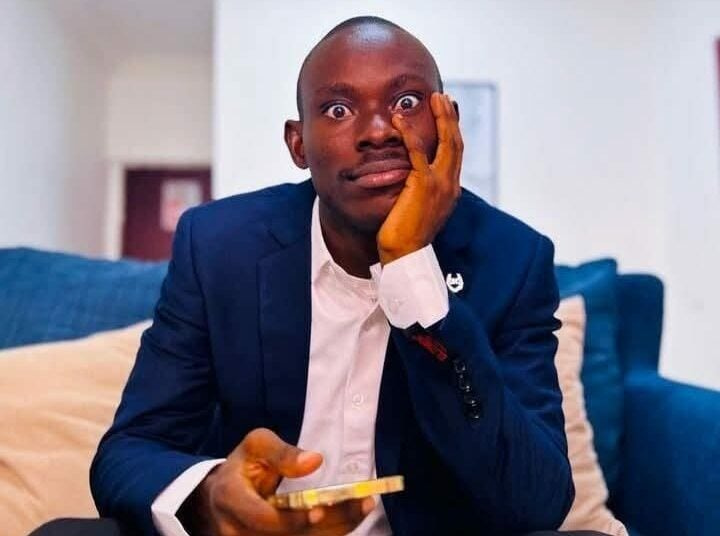
Picture the scene: laughter drifts through the air in the podcast studio, then Gehgeh drops his opinion like hot pepper in pepper soup. He claims that African men have no business kneeling to propose, branding the act as borrowed from foreign films and customs. According to Gehgeh, the entire idea of getting down on one knee is not only misplaced but a clear sign that, in his words, “men are doing women a favour” by agreeing to tie the knot.
Instantly, the air thickens as hosts and listeners alike begin to react. The tension isn’t just for drama—it taps into genuine questions about Nigerian values, gender roles, and what a proposal really signifies in African society.
Debating Tradition: What Does a Marriage Proposal Represent in Nigeria?
In Nigeria, proposals have become grand affairs. From viral Instagram proposals at Lagos malls to more intimate family scenes in Benin, the act of kneeling has crept in—often thanks to Hollywood and Nollywood influence. Some see it as “oyinbo behaviour,” while others have embraced it for the romance and symbolism. Gehgeh’s argument challenges these modern realities, asking: Have we forgotten our roots?
Local traditions in many Nigerian cultures—including Yoruba, Igbo, and Hausa communities—focus instead on family involvement and ceremonial introduction known as wife-seeing or idu uno. Here, elders carry the weight of proposals, not just dramatic gestures between two lovebirds. For some, Gehgeh’s views reflect a longing for those foundational ways, questioning if flashy proposals overshadow genuine commitment.
Gender Roles and the “Favour” Narrative: Who Really Benefits?
When Gehgeh says men are “doing women a favour” by marrying them, social media erupts. Critics argue the statement downplays the sacrifices women make—raising children, managing homes, and often supporting families financially or emotionally. According to cultural development expert, Dr. Ngozi Nwankwo, “The idea that marriage is a one-sided transaction is rooted in an outdated model. Nigerian women today contribute immensely to their homes and communities.”
Conversely, supporters of Gehgeh’s stance point to historical structures, where men were seen as providers and marriage was largely about family alliances. In reality, the line between tradition and modernity is blurred as couples juggle career ambitions, personal fulfillment, and social expectations.
“I Don’t Need a Woman for Anything”—Redefining African Masculinity
Even more eyebrow-raising, Gehgeh claims he personally doesn’t need a woman “for anything,” except to have children, which he notes can happen with or without marriage. This viewpoint, though extreme, echoes growing debates about independence versus partnership. In a society where people still say, “No one is an island,” can marriage really be boiled down to necessity?
- Changing Family Dynamics: With single-parent and blended families on the rise, the idea of “needing” marriage is less clear-cut for some.
- Modern Love Stories: Young Nigerians today are crafting their own definitions of love and partnership, balancing heritage with individual choice.
- Social Pressure: Despite evolving attitudes, the pressure to “settle down” remains strong, especially from older generations.
According to a 2021 African Polling Institute survey, over 60% of Nigerians still see marriage as a critical life milestone—yet more than ever, young adults want both respect for tradition and freedom of expression.
Public Reactions: From Outrage to Support—How Nigerians Feel
As the episode made rounds online, the reactions were as diverse as Nigeria’s jollof recipes:
- Some praised Gehgeh’s courage, saying he’s speaking uncomfortable truths about culture loss.
- Many, especially women, dismissed his ideas as outdated and harmful, calling for more respect and equality in partnerships.
- Others simply joked, “If soup sweet, who go say no?” sparking lighthearted banter across WhatsApp groups.
Florence, a secondary school teacher in Ibadan, put it candidly: “Whether you kneel or not, respect and love matter more than show off. But na who love you go even think of proposal.”
What Do Experts and Community Leaders Say?
While Gehgeh’s position has opened old wounds, some religious and legal experts believe it is important for Nigerians to revisit the roots of their marriage customs. Imam Sulaimon Musa of Abuja explains, “In Islam, the essence of marriage is mutual agreement and family consent, not public displays.” Similarly, according to the National Human Rights Commission, all parties in a marriage should have equal dignity and voice.
Others, like Lagos-based sociologist Ifeanyi Ugochukwu, warn that reducing the conversation to “doing a favour” risks ignoring the evolving realities of partnership, especially in urban Nigeria where many couples share financial and emotional responsibilities.
Nigerian Traditions vs. Global Influences: Where Do We Go From Here?
No matter how you slice it, Gehgeh’s comments highlight the cultural tug of war between global trends and local heritage. As Nigerian weddings trend worldwide for their colour and creativity, should we hold tight to ancestral ways or boldly redefine custom for a changing world?
- Have proposals lost their true meaning?
- Can tradition and modern romance coexist?
- Or is it time to design our own hybrid customs, unique to each family?
The Bottom Line: More Than Just a Proposal
Ultimately, this explosive debate about how Nigerians propose—whether by kneeling, standing, or sitting as elders dictate—speaks to something deeper: identity, pride, and the values passed from one generation to the next. While Gehgeh’s opinions are his own, they’ve brought to light the need for honest conversations about marriage, respect, and evolving roles in our homes.
What matters most: the formality of the gesture, or the sincerity and respect that both partners bring into the union?
What do you think—are proposals in Nigeria losing touch with their heritage, or simply adapting to modern times? Drop your thoughts and join the conversation below. Let your voice count!
Want to get your story published—or sell a juicy gist or opinion? We’d love to hear from you! Email your tips, stories, and exclusive news to story@nowahalazone.com and let’s put your experience in the spotlight.
Questions or need support? Reach us at support@nowahalazone.com.
Don’t miss more hot topics—follow us on Facebook, X (Twitter), and Instagram for the latest stories!