
What if Nigeria could flip the story of livestock farming from “survival mode” to a vibrant engine fueling local economies across the South-South? Imagine a place where our suya sellers, poultry farmers, goat herders, and butchers all thrive side-by-side, driving jobs, innovation, and food security. Does this sound like a distant dream, or could Edo State become the model for livestock excellence in West Africa?
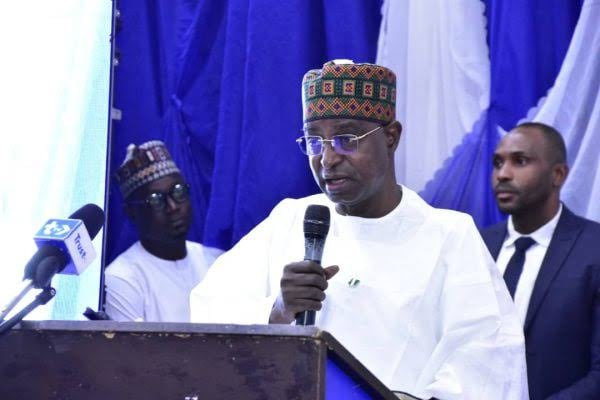
That’s the explosive question at the heart of the Minister of Livestock Development’s recent pledge to work hand-in-hand with the Edo State Ministry of Livestock Development. According to statements made by Mr. Idi Maiha following a high-level stakeholder session in Abuja, there’s strong intention to turn Edo’s livestock value chain into a regionally competitive hub.
But as Nigerians will tell you, talk is cheap—implementation is the koko. What’s truly on the table, and what does it mean for small farmers, women in agribusiness, and everyday consumers?
Inside Story: Edo State’s Big Livestock Ambition
It was a humid afternoon in Abuja when Professor Omorodion Ikpomwosa, Commissioner for Livestock Development in Edo State, put forward an eye-opening presentation to federal officials. Paintings of sprawling agricultural fields flashed on screens, but the facts were even more startling.
- Red meat demand in Nigeria is soaring—over 360,000 metric tonnes yearly, according to government figures.
- Yet, local production lags behind, forcing us to rely heavily on imports and leading to price hikes at the market.
- Poultry, piggery, cattle, goat farming—all have untapped potential for expansion and job creation.
It’s in this context that Mr. Maiha’s promise isn’t just another government statement. If Edo State can power up its infrastructure, farmers across Akoko-Edo, Esan, and Benin could find new markets for their livestock—even beyond Nigeria’s borders.
Rehabilitation Plans: Breathing New Life into Edo’s Cattle Ranches
Let’s cut to the chase. What exactly is being promised? As the Minister concluded his on-the-spot tour of Edo’s ranches at Igarra and Ubiaja, he reportedly assured state leaders of solid federal backing for rehabilitating and modernising these facilities by early 2026.
- Plans include upgrading animal health services and feed supply to international standards.
- New market linkages are to be developed for local butchers, abattoirs, and exporters.
- Training and access to finance for youth and women in the value chain.
According to Maiha, “If we get Edo right, it becomes a beacon for the South-South and sets a template for other states battling similar challenges.”
Why It Matters: Local Impact, National Relevance
Here’s the thing: For a typical Edo family, a shift from imported meat and poultry to local supply means not just cheaper protein on the table, but also dignity of labour for thousands. Farmers can ditch the wahala of middlemen and sell directly to large processors. Youth can earn a good living without japa mentality. The promise of job creation is real.
A local herder, Mama Ivie from Igarra, expressed cautious optimism: “If they really bring these changes, maybe our children no go run commot for city. We fit work, grow our business, and feed the community.”
Meanwhile, health professionals in Benin City are already looking at the bigger picture: fresh, traceable local meat will help reduce risks of foodborne illness and zoonotic outbreaks—issues that have plagued unregulated abattoirs across Nigeria for years (naqs.gov.ng).
Challenges on Ground: Will Promises Become Reality?
No matter how sweet a plan sounds on paper, Nigerians have learned to keep one eye open. There are hurdles:
- Funding bottlenecks—will budgets be released and utilised transparently?
- Farmer adoption—will rural communities buy into new systems and trust government reforms?
- Security—can livestock routes and ranches be made safe from theft and conflict?
According to a Lagos-based agricultural economist, “The livestock hub vision is brilliant, but government must move quickly from talk to action. Partnerships with development agencies, strict monitoring, and engaging local leaders are non-negotiable.”
West African Perspective: Could Edo Spark a Regional Trend?
Across West Africa, countries like Ghana and Côte d’Ivoire have seen remarkable results by investing in their livestock sectors—with jobs, food security, and export earnings at record levels (as reported by Food and Agriculture Organization data). Could Edo’s rehabilitation projects serve as a model for other states in Nigeria and the wider region?
Global health bodies have consistently urged African governments to prioritise safe, sustainable meat production to combat hunger and malnutrition. If Edo succeeds, it won’t just benefit Nigerians—it might help shape the continent’s agricultural future.
What Next for Edo’s Livestock Industry?
As implementation starts, all eyes will be on whether these upgrades truly reach the grassroots—especially the young entrepreneurs and women who keep Nigeria’s food markets alive. State and federal governments will need to continuously engage with communities, measure real-world outcomes, and adapt quickly when challenges arise.
Can Edo rise and become the livestock powerhouse it dreams of? Only time (and the hard work of many unsung heroes) will tell.
Key Takeaways for Every Nigerian
- Edo’s livestock rehabilitation plans could mean cheaper local meat, safer food, and more jobs.
- Success depends on honest partnerships, real funding, and inclusive stakeholder engagement.
- This project could inspire similar reforms across Nigeria and West Africa.
Do you think Edo State can pull it off, or will these promises go the way of so many past government initiatives? What impact would a thriving livestock sector have on your community?
Share your thoughts below and let your voice shape the future.
Do you have an inside scoop from your local market or farm? Or maybe you have thoughts on livestock or agriculture in Nigeria? We want to hear your story!
- To get your story featured or to discuss story sales, email us at story@nowahalazone.com.
- For general support or news tips, reach out at support@nowahalazone.com.
Join our community on
Facebook,
X (Twitter), and
Instagram
for more stories and real Nigerian conversations!