
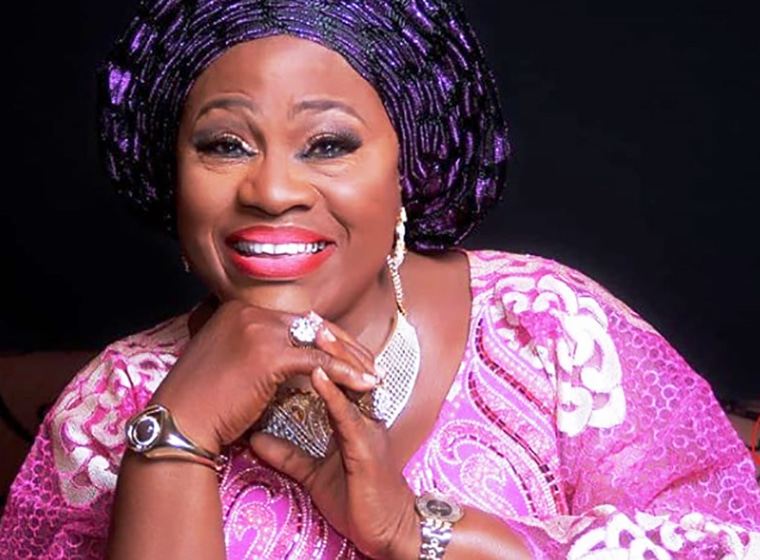
Have you ever wondered why some women, after losing their husbands, never look back at marriage again? Omo, the inside story of Nigerian veteran actress Idowu “Iya Rainbow” Philips will not just shock you—it leaves you with deep respect for her resilience. Her reason, raw and heartfelt, goes far beyond what most people expect from Nollywood’s beloved stars. This is one Naija gist that’s deeper than film scripts!
Iya Rainbow reveals that the shocking truth behind her lifelong singlehood flows directly from love, loyalty, and a very Nigerian brand of strength. Her words carry the weight of five children, decades of acting, and a steadfast heart, even as millions watched her journey unfold on and off the stage.
Inside Iya Rainbow’s Story: A Love That Changed Everything
It all began in 1984, when Iya Rainbow—born Idowu Philips in Ogun State—lost her husband, Augustine “Baba Osumare” Philips, the legendary founder of Osumare Theatre Group. They had built a family of five children, a thriving stage legacy, and an enduring love that even time couldn’t erase.
After his death, men came knocking—some with genuine intentions, many simply interested in sharing a piece of her rising fame. But what truly happened in her home after Baba Osumare’s death? Speaking in a viral video on Bimpe Akintunde’s “Iriri Mi” podcast (posted 17 October), Iya Rainbow finally laid it all on the table—no acting, just pure honesty.
Unexpected Visitors and Unwelcome Expectations
Imagine the scene: an evening with her late husband’s apprentices sitting around, all sharing Eba and soup from a big pot in that familiar Yoruba fashion. Then, a suitor appears—hoping to step into her life. “He knocked at the door and we asked him to come in,” Iya Rainbow recounted. The air was thick with suspicion. The man’s eyes danced from one face to another; he asked pointedly about the children.
In her words, “Am I supposed to chase my husband’s apprentices away when he dies?” The visitor didn’t trust her answer, questioning how she could claim so many children as hers. “They’re eleven,” she replied, though she only birthed five, reminding him—as well as all of us—of the true meaning of extended family in Nigeria.
Did that settle the matter? Omo, it didn’t. The man vanished. According to Iya Rainbow, “That’s how he ran away; since then, I said goodbye to men.”
After Loss: Loyalty, Integrity, and the Drama of Widowhood in Nigeria
Why did this living legend refuse to remarry? Not for lack of offers, but because, “men are liars,” she said. For her, heartbreak didn’t just come from loss—it was deepened by disappointment in those who tried to take advantage of her vulnerability. Instead of searching for new love, she threw her passion into caring for her children and building her legacy on stage—where she has now spent over sixty years.
Her decision resonates deeply in a country where widowhood often comes with heavy burdens, both emotional and financial. Many women in Nigeria, especially those in rural communities or raising children alone, face societal pressures to remarry or depend on men for support. Yet, Iya Rainbow’s example offers a different, empowering path.
Living Single: Iya Rainbow’s Advice to Widows in Nigeria
Throughout her journey, Iya Rainbow has advised fellow widows to stand tall and avoid getting entangled in relationships for the sake of survival. “A lot of women approached me for help because they are widows,” she said. “I was like, how about me, am I not a widow?”
- She recommends looking for honest, dignified ways to earn a living.
- Her example: suggesting a widow visit Mile 12 market, washing traders’ feet for money—a humble hustle that changed one woman’s life.
- Many who listened to her advice, she claims, have now made better lives for themselves.
According to her, “Those who listen to our advice have made it in life” (as shared on the podcast). This insight is incredibly vital in today’s Nigeria, where many still grapple with gender stereotypes, stigma faced by widows, and the temptation to trade dignity for financial comfort.
From Nurse to Nollywood Queen: Sixty Years of Inspiring Nigerians
Not many remember that Iya Rainbow didn’t start as a full-time actress. Back then, she was a healthcare assistant in government hospitals. But with encouragement from the legendary Chief Hubert Ogunde after her husband’s passing, she left the hospital corridors for the drama stage in 1986. That move didn’t just change her life; it lit a path for future generations of strong African women in entertainment.
Since then, her face has become a staple in Yoruba and Nigerian cinema, starring in classics like “Yemi My Love,” “Irepodun,” “Eyin Ogongo,” “N150 Million,” “Edaa,” “Oga Bolaji,” “Sugar Rush,” “Becoming Abi,” and “Madami.” Her resilience, discipline, and unique talent have made her one of Nollywood’s most celebrated icons, admired across Africa and even in diaspora communities.
Wider Impact: Women’s Empowerment in Today’s Nigeria
What can we learn from Iya Rainbow’s explosive story? In a culture where tradition can push widows into difficult choices, her message rings loud: you are enough on your own. Financial independence, family loyalty, and integrity trump the pressure to remarry. Plus, her success busts the myth that women must choose between career and motherhood—she did both, famously and fearlessly.
Experts like Lagos-based sociologist Dr. Adesuwa Ibru note, “There’s a growing movement among Nigerian widows choosing their own path, inspired by role models like Iya Rainbow. Whether in markets, offices, or Nollywood studios, the new wave of female empowerment is real.”
Nollywood, Widowhood, and Changing Nigerian Narratives
Nollywood’s storytelling power cannot be underestimated. Films starring Iya Rainbow often bridge real-life challenges with hope, inviting Nigerians to see themselves reflected on screen. Her journey has sparked countless discussions around patriarchy, economic empowerment, and the roles of women in Nigerian society.
Her story also connects to broader African traditions of widowhood, seen in places like Ghana, Cameroon, and Kenya, where customs vary but pressures often remain. Yet, her voice is part of a growing chorus for change—inside Nollywood and out.
What Next? Lessons for Today’s Widows and Single Mothers
While some might still ask, “Why won’t she just remarry?” the answer, according to Iya Rainbow herself, is simple: “Since then, men disgust me, and I don’t even like to see them.” Yet her life has been anything but lonely—filled with family, fans, recognition, and impact that shines brighter than gold.
- Iya Rainbow’s journey proves strength can come from heartbreak.
- Her ethos of self-reliance continues to inspire generations of Nigerians, from Lagos to London, Ibadan to Abuja.
- Her advice is practical, not just moral—find your hustle, hold your head high, don’t settle for less.
Her life leaves us with questions: In today’s Nigeria, what does true empowerment look like for widows? Can we do more to support women choosing independence in the face of societal pressure? And how will Nollywood continue to shape these conversations?
What’s your own take on Iya Rainbow’s decision? Does her story inspire you, challenge you, or open your eyes to new truths?
Share your thoughts! Do you think Iya Rainbow’s choice reflects the realities faced by many Nigerian widows today? Ever faced something similar, or know someone who has? Drop a comment below, and let’s gist.
Have a story you want to share or sell about Nollywood, family, or life’s surprises? We’d love to hear from you! Email us at story@nowahalazone.com to get your experience featured or discuss story sales.
Want to stay in the loop for more inspiring Nigerian stories? Follow us on Facebook, X (Twitter), and Instagram for all the latest Nollywood vibes and community gist!