
Who truly holds the keys to Rivers State’s destiny? In a nation where political power can change hands as fast as harmattan wind sweeps the dust, the story of Wike stands out—controversial, colourful, and never short on drama. As Nigeria’s political landscape keeps shifting, his name echoes in every corridor of power.
Once upon a time, Wike was the loudest voice warning against the dangers of “godfatherism” in Lagos. He called it feudalism—an outdated relic, unfit for modern democracy. But as fate would have it, tables don’t just turn in Nigerian politics, they do somersaults. Today, many insiders say Wike runs Rivers State like a family compound, allegedly using the “Lagos playbook” to keep loyalists in check. Is this hypocrisy, or simply the survivor’s trick in a political jungle? According to supporters in Port Harcourt, his chameleon tactics are what keep him relevant where others have faded away.
The Many Sides of a Political Juggernaut
Even his rivals grudgingly respect Wike’s hustle. There’s a popular joke in local parlance—some call him POS Africa, referencing his reported generosity and knack for “dispensing” public funds where it counts. But generosity alone does not make a lion in Nigerian politics. What sets him apart is an almost relentless ambition—he’s described by friends as a go-getter, by critics as a competitor with only one rule: win by any means.
Here’s the rub: Many say his methods bend the rules, sometimes looking the other way when ethics get blurry. Whether it’s alleged backdoor deals, boastful media rounds, or steamrolling opposition by sheer force, one thing is clear—Wike’s playbook is as ruthless as it is effective. Yet, one wonders: Is this just what it takes to thrive in the murky waters of Nigerian power, where the line between tactical brilliance and moral bankruptcy is often thin?
Elections, Allegations, and The Curious Case of Rivers State
Observers from the European Union and civic groups like YIAGA Africa have repeatedly spotlighted Rivers as the “testing ground” for controversial election strategies. In the 2023 elections, both organisations noted that tactics reportedly pioneered in Rivers—alleged ballot snatching, security collusion, and manipulation of electronic voting—spread to other states like wildfire. Wike, for his part, maintains he’s a man of integrity. But when he recently called on INEC to guarantee credible elections in 2027, laughter reportedly broke out across social media. For many, the irony was simply too much.
It’s a paradox: Even as Rivers earns its unwanted reputation, some grassroots supporters defend Wike’s aggressive style, arguing that Nigerian politics is not for the faint-hearted. “Abeg, this country na survival of the sharpest!” one community leader in Obio/Akpor stated (interview, June 2024).
The Law, the Bench, and a Web of Influence
A lesser-known chapter in Wike’s story unfolds in the hallowed halls of justice. Married to a judge and often described as a “son of the bench,” he has reportedly ensured that judges are well cared for in Rivers—official houses, state-sponsored cars, and more. The previous Chief Justice once praised him as a loyal friend to the judiciary. Critics claim such close ties have clouded the judiciary’s independence, but Wike vehemently insists it’s his mastery of the law—not networking—that gives him an edge in court. Whatever the truth, his flair for courtroom victories only deepens his legend as a “fixer” in Naija power circles.
The Media Maestro: Drama as Strategy
If you flip through Nigeria’s TV channels on any given night, it’s likely Wike will be holding court—literally and figuratively. Monthly media chats, unscripted interviews, fiery declarations—he dominates airwaves more than even some presidents. Sometimes, his media appearances blur the line between official business and reality TV spectacle. For a nation weary of monotonous politicians, his “showmanship” draws both fans and critics. “Sometimes we tune in just for the entertainment,” admits Lagos resident Bose Ajayi. But are dramatic press conferences masking deeper issues? Some analysts warn that charisma without transparency can turn into a political smokescreen.
Public Persona: Relatable or Reproachable?
Wike’s brash, sometimes abrasive style keeps the public talking. He once told a church congregation that he rejected a knighthood because, “politicians do dirty work”—drawing laughter and applause. Such self-mockery, according to observers, shields him against criticism. “If you no get shame, na who wan shame you?” quipped a youth activist in Port Harcourt. Yet, questions linger about the sources of his apparent wealth—Rolls Royce and all—especially since his career has mostly unfolded in public service.
The Dubai Delegation Debacle: Leadership or Extravagance?
Earlier this year, Wike led an Abuja delegation to Dubai—officially to learn from global mayors. Reflecting Nigeria’s all-too-familiar elite culture, online uproar broke out when the delegate list surfaced: it allegedly included party leaders from multiple parties and his children. Asked to respond, his spokesperson reportedly told Nigerians to “wait for your turn.” For many, the image of Wike on a golden throne during his media chat summed it up: unashamedly opulent, even with poverty biting hard across the nation. The contrast is hard to ignore—Abuja streets adorned with self-promoting billboards have drawn comparisons to Africa’s most ostentatious leaders.
Allegations, Investigations, and The Untouchable Reputation
Activist and Sahara Reporters founder Omoyele Sowore recently alleged a laundry list of properties and assets tied to Wike in Rivers and beyond—including a hospital, hotels, a sprawling mall chain, and choice estates in Florida and Port Harcourt. However, as Nigerian law insists, all claims remain unproven in court, and the principle of innocence until proven guilty stands. Notably, despite investigations reportedly launched by the Economic and Financial Crimes Commission (EFCC) near the end of his governorship, Wike has not faced formal charges—even two years after leaving office. Analysts say this resilience illustrates a deeper problem: the difficulty of prosecuting high-profile political figures in Nigeria’s current system.
Accountability in Question—And the Media’s Puzzling Role
Many critics argue that attempts to hold Wike accountable simply don’t “stick.” Take the recurring issue of land allocations in Abuja: residents allege that lands reclaimed from so-called “defaulters” are distributed to cronies, yet little follow-up occurs. Wike defends these reallocations as legal, but transparency advocates want deeper scrutiny. “When media come around, it’s almost like they’re seeking favour, not answers,” says an Abuja-based NGO officer. The interplay between political power and a pliant press, some warn, erodes public trust and breeds impunity.
The Strongman Myth: Charisma, Vice, and Lasting Impact
In stark contrast to Nigeria’s typically reserved ministers, Wike embraces the spotlight—cooking in public, bantering about expensive whiskey, and sporting a larger-than-life image. Some citizens see brashness as a sign of courage; others, self-indulgence. For communities seeking genuine, empathetic leadership, though, “alcohol-assisted boldness” can’t replace substance and vision. Yet history shows that in stormy times, people sometimes rally behind the loudest voice—even if it drowns out harder questions about morality or reform.
Political Machinations: The Opposition in Disarray
Wike’s reputation for outmanoeuvring rivals extends to his own party. Former Ekiti governor Ayodele Fayose once warned Rivers’ current leadership to beware of sabotage, asserting that “once Wike locks jaws, you must submit.” The near-collapse of the opposition PDP is frequently attributed, in part, to his manoeuvrings—allegedly helping the current administration keep political dominance. There are whispers among defectors that Wike’s power wanes once they leave the PDP camp, but others insist his influence reaches far beyond party lines.
Wike, Tinubu, and the Future of Political Fixers in Nigeria
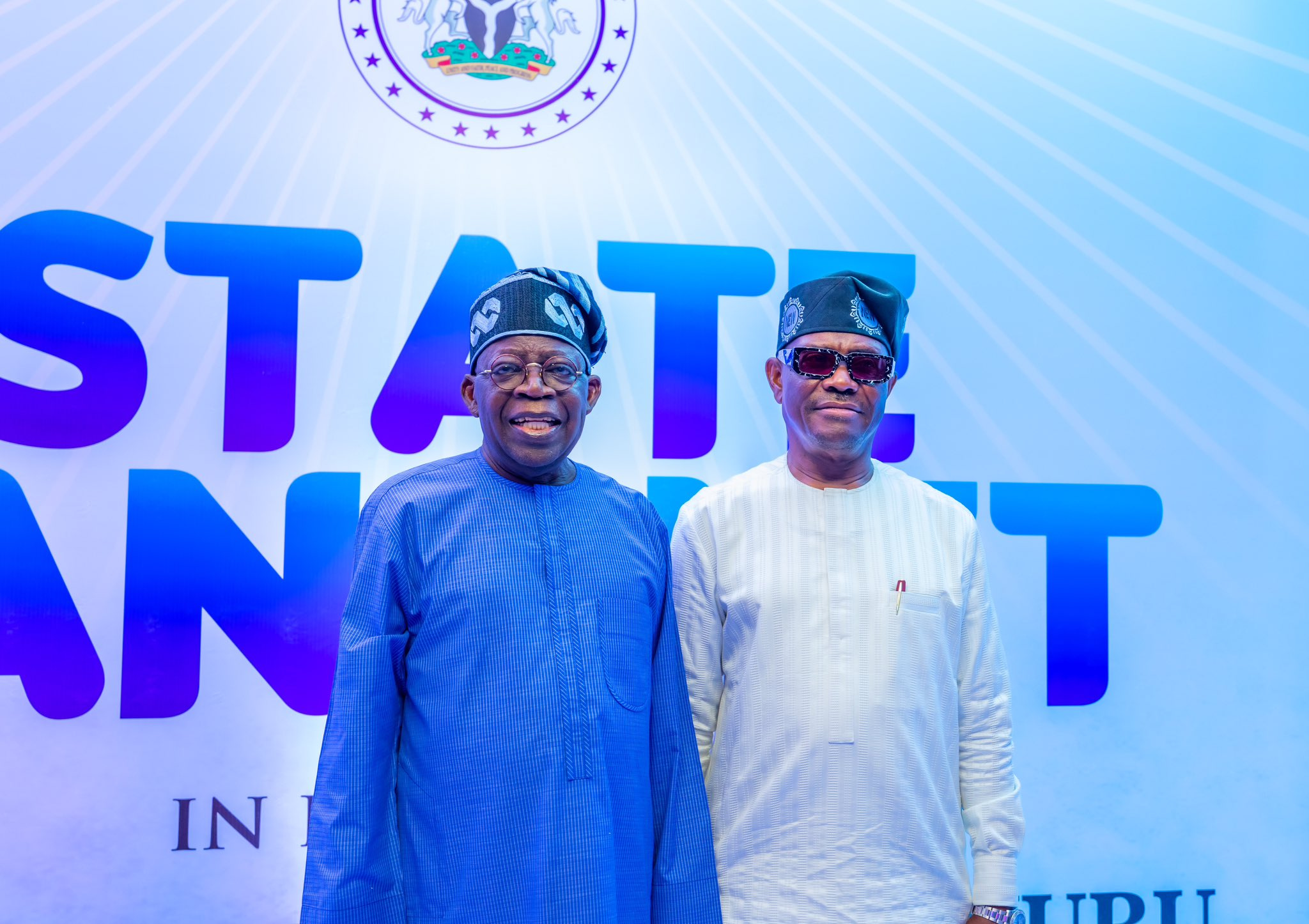
Sources close to Aso Rock say President Tinubu keeps Wike close for now—viewing him as just one piece of a larger political conquest. “Tinubu’s focus na securing every state,” notes a Lagos-based political analyst (May 2024). Will the alliance last? If Nigeria’s political history is any guide, today’s best friend could become tomorrow’s chief adversary. In the end, the real question is whether this brand of politics—where the rules are flexible, alliances are temporary, and “fixers” seem indispensable—can ever deliver lasting change.
Conclusion: Moral Questions for the Future of Nigerian Politics
From supporters who cheer his “street sense,” to critics who decry a culture of excess, Wike’s story forces a deeper conversation about leadership and accountability in Nigeria. If, as the saying goes, posterity is the ultimate judge, are we ready for the result? Will the next generation of leaders continue this pattern, or dare to write a new playbook?
What’s your honest take—do Nigerian politics demand street-smart fixers, or is it time for a different kind of leadership? Drop your comments below and join the conversation.
Have a story, opinion, or political tip you’d like to share or sell? We’re all ears! Email us at story@nowahalazone.com and get featured or discuss story sales.
Need general support? Contact us at support@nowahalazone.com.
Stay informed! Follow us on Facebook, X (Twitter), and Instagram for real-time updates and more insightful conversations!