
How can a country swimming in billions of dollars in health grants still struggle to keep its children alive? Picture this: bustling hospital corridors in Abuja and Lagos, patients clutching faded files, nurses trying to do magic with empty medicine cabinets, and everyday Nigerians left wondering—where is the money going? Nigeria, the so-called “giant of Africa”, reportedly received over $4.6 billion in health funding from the Global Fund and USAID between 2021 and 2025. Yet, in remote villages and even big cities, stories of avoidable diseases linger like stubborn harmattan dust.
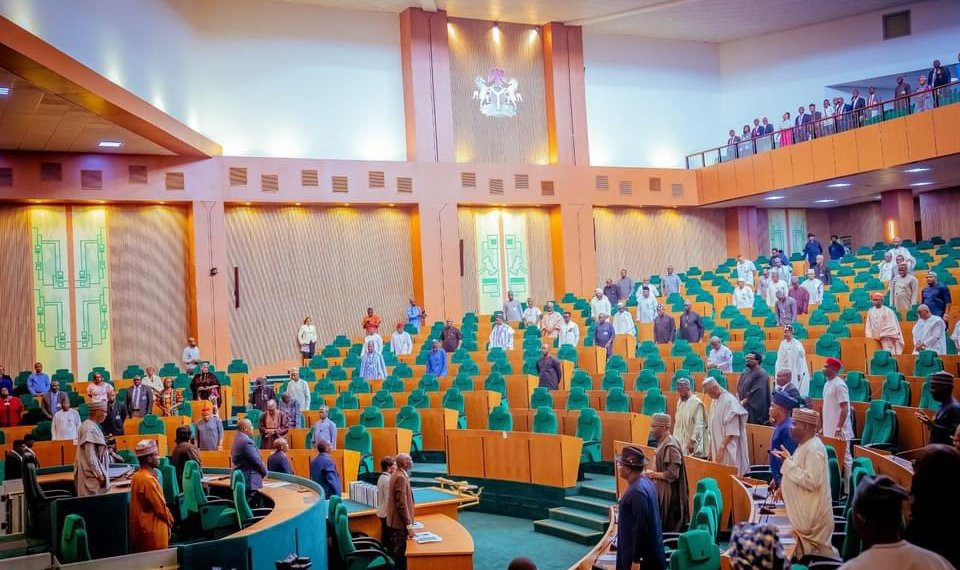
On a humid Tuesday in the National Assembly chambers, a crucial question echoed: Why aren’t things changing despite all this international support? The House of Representatives, led by Philip Agbese (APC, Benue), the deputy spokesperson, put the spotlight on this explosive issue. With a motion tagged “urgent national importance”, lawmakers have resolved to dig into the labyrinth of donor funding for HIV, tuberculosis (TB), and malaria. In plain Yoruba parlance—“money dey, result no dey!”
Tracing the Path of Health Grants in Nigeria
Let’s break it down: Between 2021 and 2025, Nigeria reportedly received about $1.8 billion from the Global Fund, chiefly for HIV, TB, and malaria programmes. Add to that $2.8 billion in USAID health support covering everything from malaria to polio. And that’s not all—over $6 billion in U.S. President’s Emergency Plan for AIDS Relief (PEPFAR) funding also flowed in for HIV/AIDS response and strengthening the country’s health systems, according to Mr. Agbese’s presentation in the House. These funds, on paper, could build hundreds of hospitals or equip thousands of clinics.
But despite this unprecedented largesse, the reality on ground remains disappointing. “More money, same wahala,” as a nurse in Ibadan lamented. According to 2023 data cited by Mr. Agbese, Nigeria still saw an estimated 15,000 children (aged 0–14) die from AIDS-related causes. In total, 51,000 AIDS-related deaths rocked the nation that year alone, making Nigeria the third highest in HIV mortality worldwide and the epicenter of HIV cases in West and Central Africa.
Accountability, Transparency, and the Lingering Health Crisis
What’s really going on? International agencies, including the Global Fund and USAID, specifically set up accountability frameworks to monitor the flow and use of these funds. But various reports—according to USAID and global health watchdogs—keep flagging issues: weak oversight, leakage of funds, and sluggish programme roll-outs. The National Assembly, with powers to summon officials under Sections 88 and 89 of the Nigerian Constitution, allegedly took a back seat—until now.
Reflecting on lives lost and missed opportunities, Agbese stated, “these alarming statistics force us to ask about transparency and impact, especially when the Federal Ministry of Health and Social Welfare is supposed to lead USAID projects, while the Country Coordinating Mechanism (CCM) Nigeria oversees the Global Fund efforts.”
Nigeria’s Health Challenges in Numbers
- HIV/AIDS: Third highest annual HIV death toll globally; highest HIV burden in West and Central Africa (according to UNAIDS).
- Tuberculosis: First in Africa, sixth globally; Nigeria accounts for 4.6% of the worldwide TB burden.
- Malaria: Bears the heaviest burden globally, with 26.6% of all cases and 31% of malaria deaths (World Health Organization data).
For families in Makurdi, Onitsha, or Maiduguri, these aren’t just numbers. It’s the anxious mother watching her child battle fever, the worried father hoping the local clinic isn’t out of malaria drugs, and the youth who lost a promising cousin to TB.
Probing the Inside Story: What’s at Stake?
The stakes couldn’t be higher. With global targets—like the United Nations Sustainable Development Goals (SDGs)—demanding the eradication of HIV, TB, and malaria by 2030, Nigeria sits at a crossroads. Will billions in assistance finally trickle down to the grassroots, or will history repeat itself?
The House’s decision is timely, especially as the Global Fund plans its 8th Replenishment phase. Without a genuine reckoning, there’s fear that international donors could lose trust, leading to even more dire health outcomes. “We have a constitutional mandate to act,” Agbese asserted during plenary. “If we don’t reevaluate grant management now, Nigeria risks failing her children, communities, and even the continent.”
Setting Up for Legislative Action: Hope on the Horizon or Business as Usual?
Based on the House’s resolution, the Committee on HIV/AIDS, Tuberculosis and Malaria Control now carries the heavy responsibility of investigating the use of all health grants received by Nigeria from 2021 to 2025. Nigerians from Gwagwalada to Warri are hoping this won’t just be another case of “plenty talk, no action.”
The committee, tasked to report back in four weeks, is expected to comb through records, summon stakeholders, and shine a light on both the successes and setbacks. Will this probe unravel the mysteries behind Nigeria’s health funding puzzle? Only time—and real commitment—will tell.
What Lessons for Nigeria and Africa?
A glance across Africa reveals that Nigeria isn’t alone in its struggles. From the DRC to Kenya, questions often arise about the true impact of donor assistance. However, Nigeria’s unique position as Africa’s largest recipient of health grants brings extra scrutiny—and, potentially, the chance to lead the way in reforming how health aid works on the continent.
So, what can ordinary Nigerians expect next? According to Dr. Folake Olaleye, a public health analyst in Ibadan, “True change can only come if leaders follow through with transparent investigations, community engagement, and genuine reforms. Otherwise, all the billions will keep vanishing like water poured into sand.”
The House’s investigation may mark a turning point, or it may fizzle out like many promises before. For now, hope hinges on strong oversight, honest implementation, and the willpower to challenge vested interests.
What Does All This Mean for You?
Have you felt the sting of Nigeria’s underfunded health system? Do you believe donor grants can make a difference—or do you worry that corruption will swallow them whole, as many fear? Every Nigerian’s voice matters in this conversation, whether you’re in a city or village, young or old. The journey toward actual health reform starts with transparency—and it demands that we all keep asking tough questions.
What’s your view on Nigeria’s health funding saga? Share your thoughts and let your story be heard—whether it’s a personal experience, a hope for change, or a question you wish the government would answer.
Want to speak out or share your experience about Nigeria’s health system—or any other story? We’re giving you the mic! If you have insights, questions, or a story to share or sell, send us an email at story@nowahalazone.com. Your perspective could inspire real change or spark the next big conversation.
For general support or inquiries, reach us at support@nowahalazone.com.
Let’s keep this dialogue going! Join our community on Facebook, X (Twitter), and Instagram.