
Imagine waking up one morning, your vision blurred—not by sleep, but by worry. Every day, many retirees in Imo State face this quiet struggle, knowing the cost of healthcare can swallow their hard-earned pensions. Now, here’s the inside story: a bold move that’s stirring excitement and hope across all 27 LGAs. The shocking truth? Eye surgeries—completely free—for pensioners and their loved ones, courtesy of the Imo State government’s latest healthcare programme. Omo, e shock you?
Primary Keyword: Free eye surgery programme in Imo State
Inside Governor Uzodimma’s Explosive Eye Care Initiative
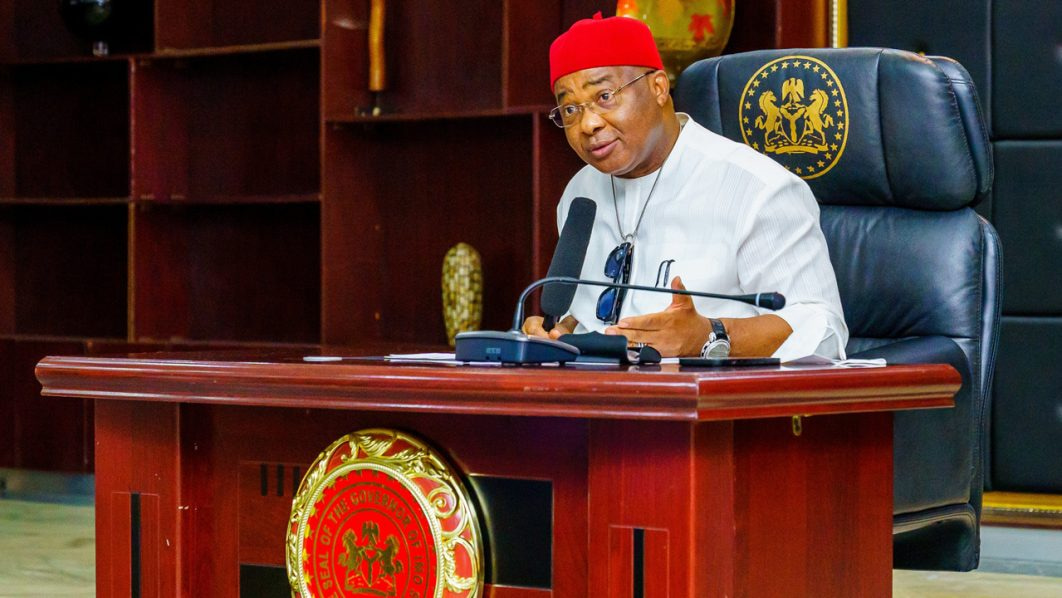
This isn’t your regular government announcement, abeg. On Saturday, the airwaves buzzed after Prince Eze Ugochukwu, Special Adviser on Public Enlightenment to Governor Hope Uzodimma, revealed a life-changing plan: the free eye surgery programme for all retirees and their immediate families, touching every corner of Imo State.
According to Ugochukwu, this is not just about medical intervention; it’s about restoring dignity and hope. “A lot of our pensioners have sacrificed for Imo,” he noted. “It’s only right that we look after them in their golden years. This plan is a game-changer.”
How the Free Eye Surgery Programme Works
So, how will this miracle happen, you ask? The acclaimed Imo State Health Insurance Scheme forms the backbone of this initiative, with Dr. Uchenna Ewelike, Executive Secretary of the Imo State Health Insurance Agency, leading a team of world-class ophthalmologists. The first phase began on Thursday, October 24, 2025, at the renowned IMSU Medical Centre in Owerri, making history as 46 pensioners already underwent surgery in just one swoop.
- Who benefits? Imo State retirees and their dependants—no backdoor, no “man-know-man.” Fairness dey here, O!
- Where? Rotating across 27 LGAs, but flagship operations kicked off at IMSU Medical Centre.
- Who leads? Dr. Ewelike and a surgical team with sterling credentials—no half measures.
According to the Imo State Health Insurance Agency, the recruitment of highly trained specialists ensures “global-standard eye care,” a claim reportedly verified by local medical observers. In fact, Dr. Adaora Nwokeke, a consultant ophthalmologist in Owerri, remarked, “The state has never seen this scale of intervention. It’s not just charity—it’s real public health strategy.”
A New Chapter in Healthcare: The Nigerian Context
Now, let’s not deceive ourselves. Access to quality healthcare for elders in Nigeria—especially after retirement—has often been a bitter pill. Many depend on children, charity, or religious groups just to see a doctor, talk less of surgery. This programme is shaking that table. By integrating eye care into the broader Imo State Health Insurance Scheme, Uzodimma’s drive signals a major shift toward universal health coverage—aligning Imo with emerging African leaders in people-first healthcare.
This “bulk health purchasing” model, as experts call it, means higher efficiency (reduced wastage of funds) and better monitoring. According to Premium Times, beneficiaries are selected openly, reducing favoritism and increasing trust. Uche Emeh, a retiree from Okigwe, told NOWAHALAZONE, “I never believed government go remember us like this. For a long time, we been dey suffer with our eyes. See me now—picking dress for my granddaughter’s wedding!”
The Human Side: Restoring Sight, Renewing Hope
Imagine Mama Ngozi, a retired teacher, standing at the gate of the IMSU Medical Centre, fear and hope dancing on her face. Just a few days ago, she could barely thread a needle or read her Bible. “Dem carry us well,” she shared, her voice trembling. “Na true say government care about old people!” For many like her, the free eye surgery programme isn’t just about clearer vision—it’s a powerful reminder that their service is remembered, their health valued.
According to Prince Ugochukwu’s statement, the Imo State government is making good on the promise of inclusivity. He noted, “This initiative reflects the governor’s strong commitment to senior citizens and the vulnerable. Free eye surgeries mean brighter days—literally and figuratively—for our pensioners.”
Challenges and Considerations: Can This Programme Go the Distance?
But, abeg, shine your eye—no government programme is without wahala. While many praise the governor, policy analysts point to obstacles: Can such a programme be sustained with fluctuating state budgets? Is there enough transparency to inspire long-term trust? How quickly can all LGAs feel the impact?
- Logistical constraints: Reaching those in very rural areas can be tough, even with 27 LGAs covered.
- Funding questions: Will political changes affect the continuity? Experts recommend institutionalising the scheme so future governments can’t just cancel am overnight.
- Maintenance: Post-surgery care must be accessible. As Dr. Nwokeke notes, “A successful operation is just the start. Regular check-ups are key.”
Some critics, including Honourable Emeka Chukwuemeka (a local PDP rep), allege that “more needs to be done to ensure real-time feedback from beneficiaries” and called for an independent review by civil society groups.
How Does Imo Compare Across Nigeria and Africa?
Within Nigeria, most states have made slow progress to universal health coverage. Ekiti and Lagos, for instance, started targeted eye care initiatives but not on this scale. Across Africa, Rwanda’s Mutuelles de Santé provides basic surgeries under universal health insurance, but Imo’s approach—focusing specifically on retirees—stands out as unprecedented in the region.
For policymakers, this raises a hot question: Should such programmes become a national standard? As populations age and eye conditions become common, experts say Nigeria’s other states should “watch and learn.” International health partners are already monitoring the Imo model as a possible best practice for West Africa.
What’s Next: Sustaining the Gains and Spreading the Impact
As the surgeries continue, attention is shifting to the longevity of this effort. Will Imo State’s free eye surgery programme become a beacon for other states—or fizzle out as a one-time event? The answer likely depends on transparency, ongoing funding, and active community involvement.
For now, the streets of Owerri are filled with new smiles as many retirees blink away their worries and step into fresh light. As local elders gather at churches and market squares, one message rings clear: “If my eyes don clear, e mean say better hand dey government.”
But wait, e finish so? Will this promise reach every village—every family in need? Only time will tell, but one thing is sure: Imo State has set a powerful example worth following.
Have you or your loved one benefited from Imo State’s free eye surgery programme? What are your thoughts—na political strategy or genuine care?
Drop your comments below and let us hear your story. For story sales, tips, or opinions—or if you want your voice featured—reach out at story@nowahalazone.com.
For general support, send us a mail at support@nowahalazone.com.
Connect with us for more latest updates and real-time gists: Follow on Facebook, X (Twitter), and Instagram!
Don’t dull—join the conversation and keep your eyes on the real wahala zone!