

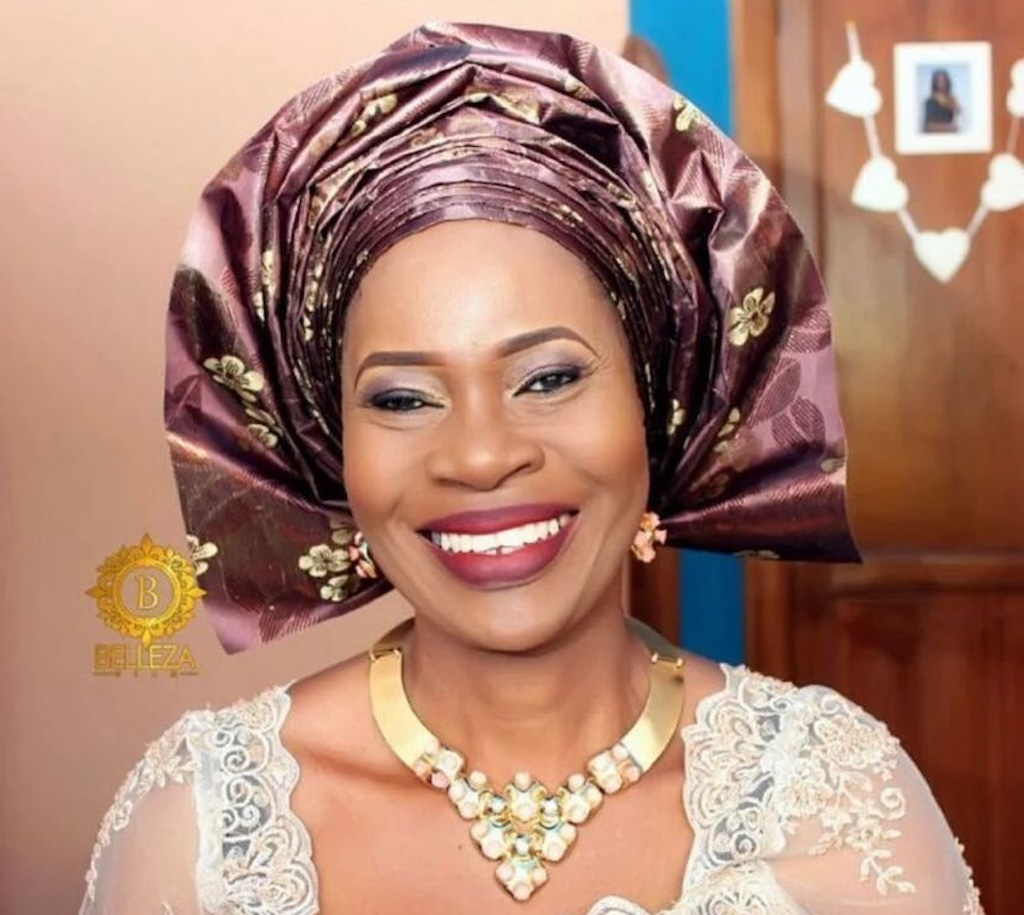
Have you ever felt the wind knocked out of your chest by news so unexpected, it leaves you momentarily frozen? That was exactly how I felt when the world learned of Professor Aituaje Irene Pogoson’s passing on October 25, reportedly at the age of 65. It’s difficult to process the absence of someone whose very presence shaped the hearts and future of so many at the University of Ibadan and beyond. The thought rings in my mind: How can Ibadan’s shining star, renowned across Nigeria’s academic scene, be gone so soon?
Imagine—the corridors of Ibadan once echoed with her laughter and wisdom. Today, those halls mourn their mighty champion. According to accounts from the academic community, Professor Pogoson was not just another intellectual; she was a rare gem who reportedly stood out for her brilliance, leadership, and profound impact, especially among women and young scholars in Nigeria.
Inside the Life of the Academic Trailblazer
It’s a hard truth: we often celebrate our heroes more in their absence. Professor Pogoson—lovingly called Aituaje—was admired in life and seemingly cherished even more after her demise. She was, in the words echoing biblical laments, “swifter than eagles, stronger than lions.” Her influence travelled farther than the borders of Ibadan, shaping two generations of Nigerian political scientists and inspiring countless African women on their academic path.
What made her so extraordinary? Friends and colleagues recall her as a mentor, an icon, and above all, a guiding light. Her unique gift was not just her razor-sharp intellect and formidable academic background, but her compassion. As someone who worked closely with her, I can testify that her humanity shone brighter than any accolade could capture.
Her legacy is impossible to quantify, though many have tried. She was my teacher, my role model, and a source of enduring inspiration. Can you picture a teacher with the strength of a lioness and the kindness of a true mother—one who both challenged and protected her students? That was the magic of Aituaje.
Redefining Leadership: From Classroom to Global Platforms
The story of Professor Pogoson’s journey at the University of Ibadan is nothing less than explosive, especially for those who understand the history of Nigeria’s academia. She joined the Department of Political Science as Lecturer II in 2000, a field and environment then overwhelmingly male-dominated in theory, practice, and personnel.
I still remember the first time she marched into our POS 453—International Institutions—class one grey Ibadan morning. Trust me, it felt like the light literally burst through the windows. Students whispered and exchanged glances. After years spent under the tutelage of male lecturers, here was a powerful female figure—diligent, strict, but magnetic. If you ask any of my class cohort, they’d agree: it was as though the sun found a new place to rise, right inside our classroom.
Before her, the presence of a woman lecturer had been sporadic, sometimes leaving us with lingering questions about why women weren’t better represented at the top. So, Professor Pogoson’s arrival felt almost like a fulfilled prophecy for aspiring female scholars. She symbolized possibilities in a Nigerian context where glass ceilings often felt unbreakable.
Emergence of a Gender Equity Advocate in Nigerian Academia
Let’s face it—climbing to the top of Nigeria’s educational sector is no easy feat, especially for women. Professor Pogoson’s early days demanded more than just brilliance; it called for steel. She needed to be twice as prepared, twice as strict, and always 100% committed—because she understood that the tides of sexism and old-school attitudes would drag her down the minute she showed weakness.
Even with that, her approach was never abrasive. She wore her dignity like fine Ankara and walked with the calm confidence of someone certain of her purpose. Colleagues and students agree that her genius wasn’t just her intellect, but in the juxtaposition of calm authority with disciplined perseverance.
Her contributions went beyond the lecture halls. According to those close to her, Professor Pogoson introduced “Gender and Politics” into the Ibadan undergraduate curriculum—a revolutionary move. Through this, she helped reshape the landscape, making gender awareness and inclusion central to political studies. Her advocacy did not stop at the classroom door; she reportedly supported gender equity projects, participated in policy sessions, and was a visible model for other African women in academia.
Mentorship, Resilience, and Life Beyond Titles
Every Nigerian knows life will test you, but not everyone comes out stronger. Professor Pogoson did. She reportedly faced a cancer diagnosis in the thick of her career. Instead of letting it break her, she fought through—emerging not only a survivor, but someone whose faith in God and zest for life deepened, according to those who witnessed her journey.
Her mentorship was legendary. As one academic commented, “she was always on your side, even when the system wasn’t.” She encouraged, supported, and opened doors for young academics—even outside her own institution. She reportedly took time at conferences to build personal connections, share about family, and offer guidance with a listening ear. In my own experience, she gave me opportunities to contribute to journal publications and speak with her students, cementing a relationship that spanned decades.
She wasn’t just a colleague; she was a confidant, a big sister, and a trusted ally. Even when health or scheduling barriers stood in the way, her intention was always clear—she wanted people around her to succeed. Is it any wonder so many young scholars across Nigeria consider her a pillar?
The Lasting Impact: A Nigerian Trailblazer’s Enduring Legacy
Professor Irene Pogoson leaves a hole that words can scarcely fill. According to those she mentored, her generosity, wisdom, and courage made her unforgettable. She bridged the gap between traditional norms and modern progress, and stood tall as a feminist scholar-activist, displaying an unrelenting commitment to advancing gender equity in education, civil society, and policy circles.
Her influence didn’t stop at Ibadan. She advised, examined, and inspired students across Nigeria and internationally—her story a testament to the heights Nigerian women can reach, even with the odds stacked high. In comparison to similar leaders around Africa, her achievements stand out as an example for aspiring academics in Ghana, Kenya, and throughout the continent, drawing consistent admiration and recognition from peers globally.
Conclusion: A Life That Calls Others to Rise
As the University of Ibadan and the Nigerian academic community mourns, there’s still a silver lining—true legacies don’t fade. They multiply. The late Professor Pogoson’s life serves as a rallying call: to challenge stereotypes, to lift others while climbing, and to insist that “impossible” is just another word for “not yet tried.”
Do you have a story of a teacher or mentor who changed your path? How do you think Nigerian academia can better honour trailblazers like Professor Pogoson? Share your thoughts below and help us keep these vital legacies alive.
Have a story to tell or want your experience featured? We’d love to hear from you! Email us at story@nowahalazone.com if you want to share or sell your story.
For general support, reach out at support@nowahalazone.com.
Join the conversation—follow us on Facebook, X (Twitter), and Instagram for more inspiring stories and updates!