
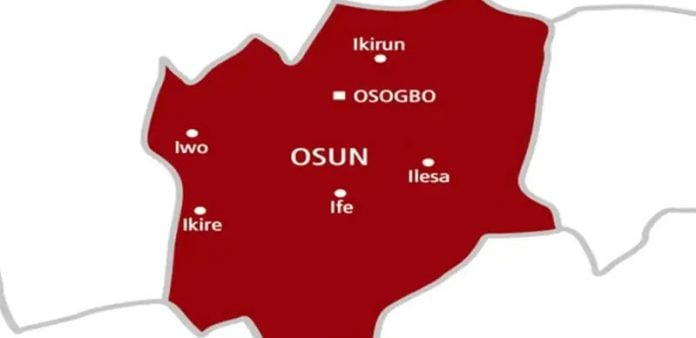
Imagine waking up before dawn, the darkness thick as soup, just to set out with a jerry can on your head—knowing you’ll trek for miles, crossing dusty paths, all in search of something most city dwellers take for granted: clean water. For families in Ipetu-Ijesa, Osun State, this routine used to be their daily reality—until a transformative project brought unexpected relief.
Access Bank’s Solar-Powered Borehole: A Game-Changer in Ipetu-Ijesa
Access Bank Plc has reportedly rewritten the script for the Ipetu-Ijesa community by installing a solar-powered borehole—a project under its Corporate Social Responsibility (CSR) initiatives. But what’s really at stake here? Why is this so significant for the people in Osun, and what does it signal for Nigerian communities grappling with water scarcity?
Why Water Projects Spark Hope Across Nigerian Communities
According to the United Nations Children’s Fund (UNICEF), millions of Nigerians—especially those in rural areas—do not have regular access to safe water. For many villages, water fetching isn’t just physically draining; it can keep children away from school and put families at risk of water-borne diseases. When a bank, or any organization, steps up with a borehole—especially one powered by solar energy instead of unreliable grids or expensive diesel—it’s nothing short of unprecedented for local development.
Beyond Lip Service: Access Bank’s Commitment to Giving Back
At the handover event, Adeola Oladele, Zonal Head for South-West 4 at Access Bank, shared the inside story: “Today, we are giving back to the community as a bank. At Access Bank, we have a written operations book, and one of our Corporate Social Responsibility initiatives is to look at how we can impact our society.”
But this isn’t just about ticking CSR boxes. In practical terms, the bank has sunk a borehole in the heart of Ipetu-Ijesa, a gesture Oladele said was indigenous, timely, and strategic—especially for a town where the lack of potable water is felt every waking day.
How a Solar Borehole Changes the Rhythm of Daily Life
So, what’s the difference this project really brings? For starters, as Oladele emphasized, “Portable water is one thing that most people want, and this is what people in rural areas don’t have access to.” The solar-powered facility reportedly cost millions of naira—a hefty investment no doubt, but one with lasting value. Unlike traditional boreholes run on fuel generators (which are prone to breakdowns or fuel scarcity), this solar-powered design ensures—rain or shine—water is always flowing. For residents who once trekked kilometers just to fetch water, this is an explosive shift in fortune.
Voices from the Community: Relief, Gratitude, and New Expectations
The unveiling ceremony was more than just photo ops. It sparked genuine excitement. Speaking for the community, Oba Adeleke Agunbiade-Oke, the Ajalaye of Ipetu-Ijesa—represented by Chief Olumide Onawumi—praised Access Bank, describing the gesture as “laudable” and praying for more blessings for the bank. In his words: “Water is very important in human life, and Access Bank has given us that. You’ve done this for us, and we appreciate it. We still want more of this in our community.”
Locals put it even more plainly. Resident Abiona Olaide reminisced on the hardship they once faced: “People from this area travel miles to get water, but we are grateful now as our problem has been solved.” For many, it’s as if the bank just helped chase away midnight darkness by installing a permanent streetlamp—but this time, the lamp is a steady source of life-sustaining water.
Sustainable Water Projects: Nigerian Examples Setting New Benchmarks
Access Bank’s model isn’t happening in isolation. Across Nigeria—From rural Zamfara to border towns in Cross River—select organizations, NGOs, and local governments are increasingly backing sustainable water solutions such as solar-powered boreholes. According to a report by the Federal Ministry of Water Resources, sustainable energy-backed water projects are needed to reduce operational costs and environmental impact, making them the gold standard for future interventions in Nigerian rural communities.
- Solar-powered systems minimize reliance on erratic electricity
- Reduced generator and fuel costs mean long-term affordability
- Cleaner water access improves school attendance and public health
But while this is a positive trend, some experts caution that maintenance and community ownership are vital for sustainability. As seen in other states, water projects left without adequate local training sometimes fall apart after just a few years. This underlines the need for government agencies, private sector players, and beneficiaries to work hand-in-hand for effective results.
A Closer Look at Rural Development, Social Impact, and Corporate Responsibility
Access Bank’s intervention in Ipetu-Ijesa is reportedly just one among several CSR projects across Nigeria. Corporate responsibility is now a major benchmark used to assess banks and large businesses. The Central Bank of Nigeria has in the past urged operators to prioritize impact-driven CSR, especially in sectors such as water, education, and healthcare. Locally, communities are growing more vocal—asking companies to be good neighbours, not just profit-makers.
From water supply to digital literacy challenges, there is growing pressure on Nigerian companies to show up for ordinary people, whether through community trust funds, skills training, or basic social amenities. For every success like Ipetu-Ijesa, there are hundreds of towns still waiting to see such investments come to life.
The Global Angle: How Nigerian Innovations Inspire Broader Change
Globally, access to clean water is a pressing human right, recognized by the United Nations General Assembly. Sustainable Development Goal 6 (SDG 6) calls for clean water and sanitation for all by 2030. Projects like this in Ipetu-Ijesa provide a model that can be upscaled in other African countries—from Ghana to Kenya—where rural communities face comparable challenges and infrastructural deficits. When powered by renewable energy, such solutions contribute to climate change mitigation, making it a win-win for people and the planet.
Challenges, Opportunities, and What Must Come Next
Despite the feel-good success, experts (including Lagos-based development analyst Tunde Oyekan) warn that water infrastructure alone is not enough. Effective community management, regular monitoring, and continuous training are necessary to make these boreholes last. In a country as vibrant—and as sometimes unpredictable—as Nigeria, tackling issues like urban migration, climate variability, and poverty will require bigger coalitions and ongoing investment.
It’s also essential that companies like Access Bank maintain transparency and actively involve local leaders in planning and execution. Collaboration with state and federal agencies will deepen the impact and ensure proper oversight.
What Really Matters: Lasting Legacy or Flash in the Pan?
As the sun rises over Ipetu-Ijesa, the sound of water gushing from a new tap is more than a small victory—it’s a symbol of hope, resilience, and the kind of public-private partnership that can move Nigeria forward, one village at a time.
Will this access to clean water inspire more organizations to step up? Or will it become one of those stories that fades quietly as new challenges emerge? At the end of the day, every Nigerian deserves the dignity of safe water at their doorstep—not just as charity, but as a birthright.
How can other communities attract similar life-changing projects? What steps must be taken to ensure these facilities remain functional for generations?
Share your thoughts—what’s the way forward for water access and community empowerment in Nigeria? Drop a comment, and follow us for updates on rural development, business news, and impactful local stories.
Got a story that matters to your community?
If you’ve witnessed a transformative project in your town, or know of a community begging for attention, we want to hear—and share—it! Email us at story@nowahalazone.com to get your story featured or to discuss selling your story. For general support or tips, reach us at support@nowahalazone.com.
Let’s keep the conversation going—follow us on
Facebook,
X (Twitter), and
Instagram for real-time updates. No dulling—Na your voice we dey find!