
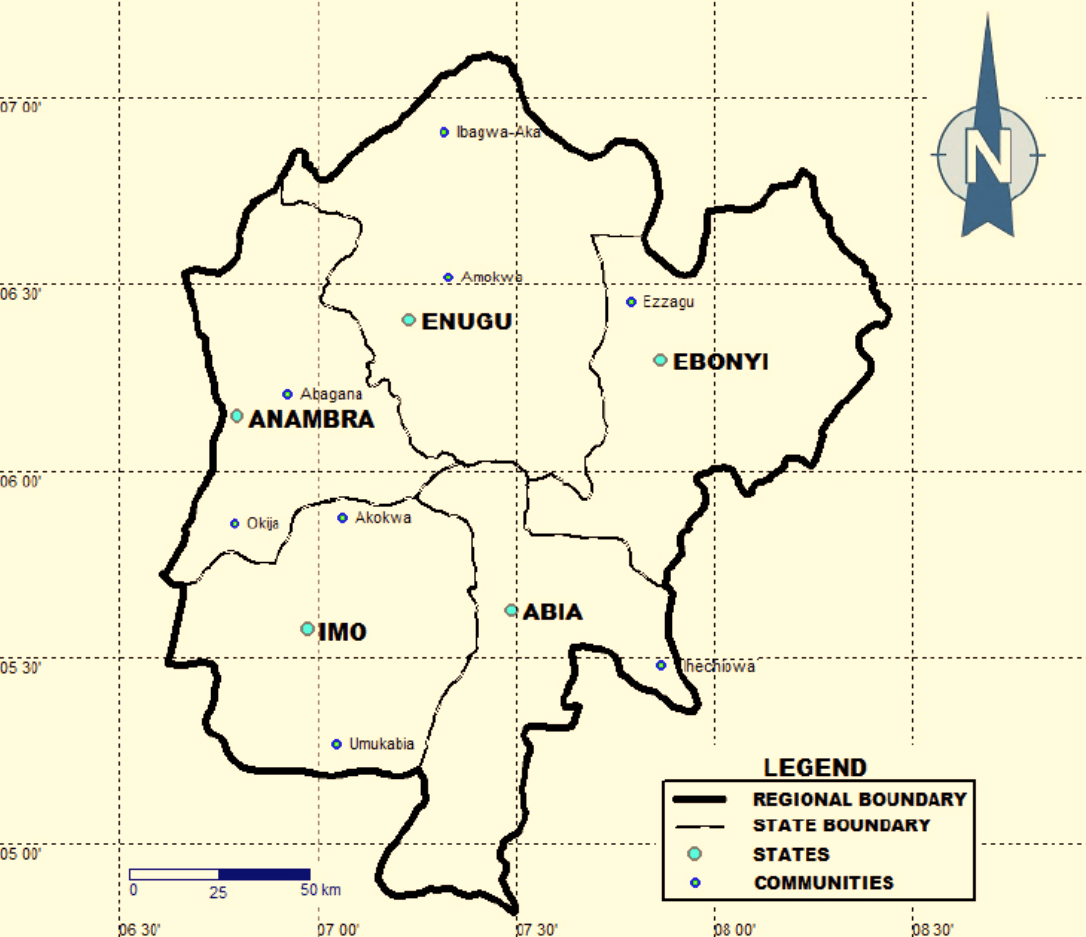
Have you ever wondered why, after more than fifty years, the Nigerian Civil War still whispers through our halls of power, shapes family conversations, and colours our perception of unity? It’s one of those unhealed scars we try to cover with smiles, yet the ache lingers somewhere beneath our national fabric. For the South-East, these echoes are heavier—felt in stories of lost opportunities, hushed conversations, and the silent strength it has taken to keep moving forward. The “lid” placed over the region after the conflict, some say, still suppresses the full glory of its people. But here’s the explosive truth: Nigeria cannot reach its true height while any of her regions is left behind. Our collective ascent only begins when every hand is unlocked, every voice is heard, and every gift is welcomed onto the table.
Let’s cast our minds back to a story deeper than politics. In Scripture, redemption’s journey started with wise men—yes, from the East—bringing gold, frankincense, and myrrh. Their gifts, loaded with meaning, rewrote history. Here in Nigeria, the East glimmers with its own treasures: wisdom, radical energy, and an entrepreneurial verve that has built dreams from almost nothing. Imagine lifting the lid and letting all that potential—the same one that’s turning the heads of global economists—flood the nation. Not only would it begin to heal deep wounds, but it could ignite a transformation capable of shaking the whole country awake.
The Hidden Power of the Igbo Apprenticeship Model
It’s no secret that many Nigerians hustle with heart, but the Igbo apprenticeship system is on another level—reportedly one of the world’s most effective grassroots wealth-creation methods, according to studies shared by international business schools. Here’s how it works: young people are mentored in genuine, hands-on business, then equipped with start-up capital to chase their entrepreneurial dreams. No boardroom bureaucracy, no endless paperwork—just deep-rooted trust, practical training, and a cycle where every graduate pulls up the next one. On the markets of Onitsha, Aba, and Nnewi, it is common to hear, “I was once an apprentice; now I have my own shop. Someday, I’ll lift up another.” That’s generational impact—happening right under our noses while other countries are still theorising the concept.
Imagine channeling this explosive model nationwide, pairing it with intentional government support—better roads, policy infrastructure, modern markets. If we tapped into this goldmine for job creation, the ripple effects would reshape our unemployment statistics faster than any imported quick-fix scheme. The potential is so massive, top global analysts from institutions like Harvard Business School are now studying the “Igba-boi” system, according to Harvard Business School.
Why Marginalizing Any Region Hurts Us All
Let’s not deceive ourselves: marginalizing the South-East—or any region—shrinks Nigeria’s dreams. When a nation ties down one leg, the whole body staggers. Blocking one stream means all the rivers downstream run dry, abi? This, experts warn, is not unique to Nigeria. Take a cue from recent history—Germany healing division after World War II, Rwanda choosing unity after tragedy, or South Africa confronting its apartheid past through deliberate truth and reconciliation. These countries know that every tribe, every region matters. Nigeria reportedly lags behind because we often allow old suspicions to water down new realities. It’s time to change that script and embrace interdependence as a national strategy for greatness.
Bridges, Not Barriers: The Case for Equity and Inclusion
Healing isn’t just about sweet talk on TV or perfunctory gestures during election season. It is deliberate. That’s why many Nigerians are watching closely as the National Assembly considers creating an additional state in the South-East—a move which could finally restore balance, given that the region has only five states compared to six in every other zone. The President, by reportedly addressing this historic gap (according to statements from the National Assembly, June 2024), signals an unprecedented willingness to transform symbolism into substance. If followed through, this act will not only redraw Nigeria’s political map but also lay new foundations of trust and fairness, breaking the silence on decades-long inequity.
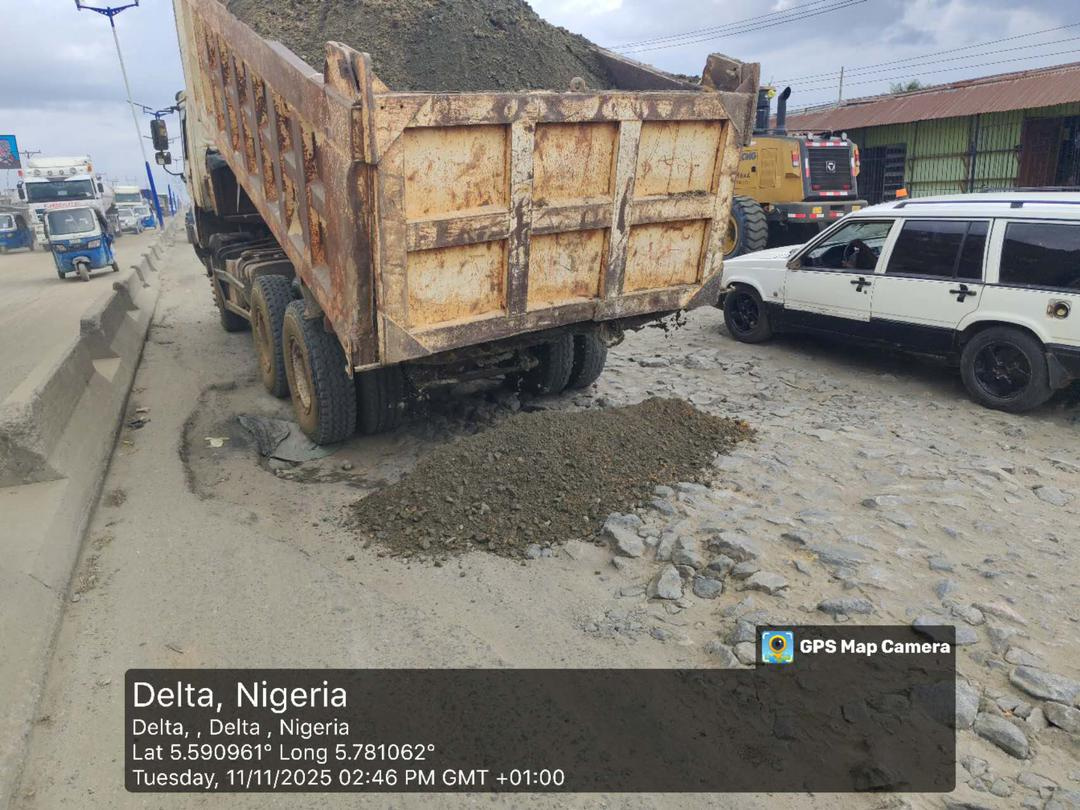
But this is just the beginning. Genuine restoration means investing in what matters on the ground: roads snaking through bustling markets, rails linking regional capitals, reliable electricity lighting up cottage industries, and tech hubs buzzing with young inventors. Try picturing this—an industrial corridor that hums from Onitsha, through Aba, down to Port Harcourt, bustling with the kind of energy that made Alaba market famous. Nigerians know the “no wahala” way is not enough anymore; the ambition must match the hustle.
What Happens When We Rise Together?
To build a home and pretend one corner doesn’t exist—can that home prosper? If Nigeria wobbles, it’s because we’ve tried to run this marathon on a single leg. The South-East is not asking for anyone’s pity. Rather, it calls for true partnership. Time has come to recognize that some of Nigeria’s greatest assets—resilience, innovation, and unstoppable entrepreneurship—are waiting eagerly in the East, not gathering dust but building quietly on their own. Even local business icons, from transport titans to self-made millionaires, often credit their rise to lessons learnt in Eastern markets or under the tutelage of Igbo mentors, as Lagos-based analyst Chijioke Ndigwe recently explained in a radio interview.
The global playbook is clear: Nations that shun their differences remain stuck while those that harness every gift surge ahead. Nigeria’s own history proves that sweeping wounds under the carpet does nobody any favours. If we leave the Civil War as a chapter supposedly closed, yet continue to relive its tensions through marginalization or suspicion, it is no surprise unrest continues to rear its head every other election cycle. But if we choose to open our hands—and minds—to the full brilliance of the East, that pain can be turned into power.
Hope from the East: A New Vision for Nigeria
Here’s the inside story most outsiders miss: The South-East already “bears gifts” for the nation—the kind once brought by ancient wise men, now reincarnated as bold ideas, tireless energy, and a worldwide reputation for resilience. The smart play is not to push those gifts aside, but to receive them. No region can go far alone; as the saying goes, “No matter how fast, one hand cannot tie a bundle.”
So as Nigeria stands at this critical crossroads, a “house divided” cannot stand tall. To reclaim our national greatness, we must rise together—North weaving alliances with South, West linking hands with East. That vibrant, burning heart in the East is not a threat; it is the missing beat that completes our song.
Key Takeaways & Next Steps
- Unlocking the South-East’s Potential lifts the whole nation, not just one region.
- Supporting grassroots models like Igbo apprenticeship tackles unemployment from the source, not from a distance.
- True healing demands infrastructure, political will, and policies founded on equity—not just words.
- Nigeria’s future depends on accepting every region’s gifts, building trust, and remembering that unity multiplies strength.
What do you think—will Nigeria finally open the doors wide and let every corner shine, or are we content to remain divided by old wounds? Share your thoughts below and join the conversation that could help shape our nation’s future.
For questions or support, contact support@nowahalazone.com.
Be part of our growing family—follow us on Facebook, X (Twitter), and Instagram for updates, and let’s keep building Nigeria together!