
How would you react if you woke up to news that turned your family upside down overnight? Can genuine faith really move mountains when a loved one faces an impossible diagnosis? This is the explosive inside story of Bishop David Abioye’s shocking ordeal—one that tested beliefs, shook his community, and still resonates across Nigeria today.
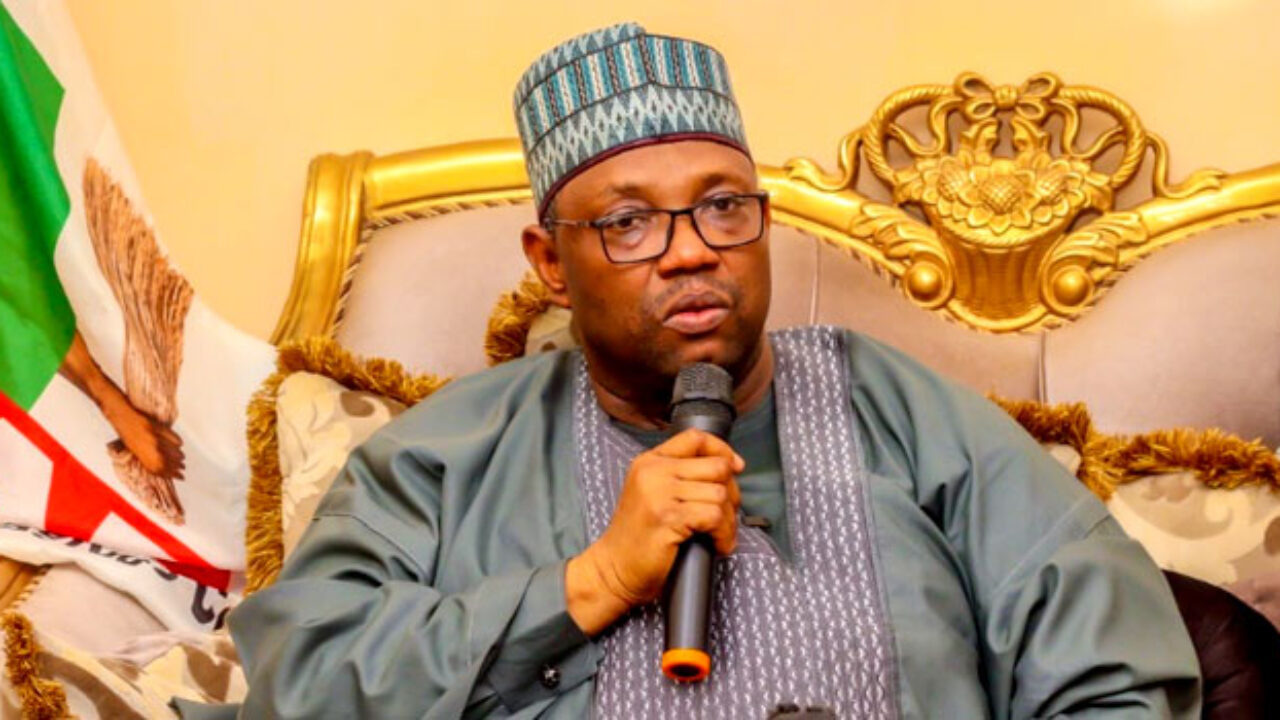
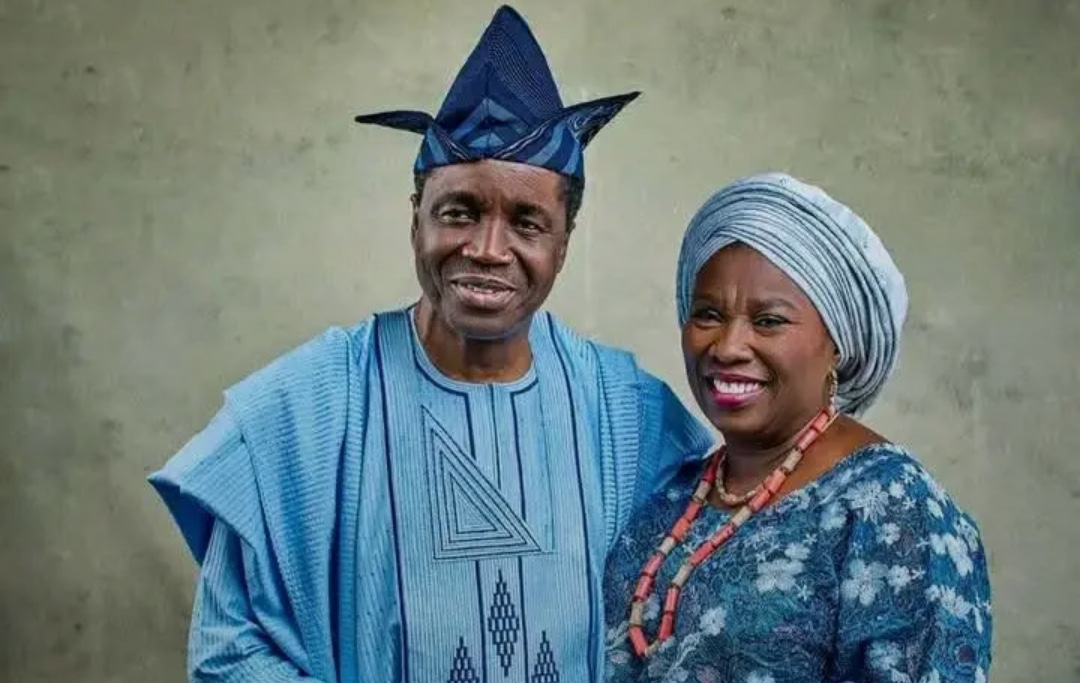
During the heated uncertainty of the COVID-19 pandemic, when the world seemed lost in fear and confusion, Bishop David Abioye—respected founder of Living Word Conquerors Global Assembly—was confronted with a frightening moment. According to the revered clergyman, his wife, Mary Abioye, was wrongly diagnosed with HIV, a news nobody prays to hear, especially in a time when visits to hospitals brought more anxiety than relief. Nigerians know how heart-stopping it can be when a doctor, with their “face like yam peel,” delivers unexpected news. But what if the test itself was wrong?
Bishop Abioye, speaking before his church congregation, recounted how the original medical result allegedly showed his wife had contracted HIV. According to his testimony, that moment felt as if the very ground had shifted—yet instead of panicking, he drew deeply from his faith, insisting with remarkable boldness, “Not in this household!”
Standing Firm In Times Of Uncertainty: Faith or Folly?
The keyword here—faith in divine healing—becomes more than just a phrase when you see it lived out in real time. In communities across Nigeria, faith leaders are often called to demonstrate “unshakable confidence,” but how many people would honestly have the courage to challenge a hospital’s result in a country where “test be sacred”? According to the Bishop, the secret was to reject fear on the spot. “I told them to do another check-up,” he said, “and they couldn’t find anything there.” Truly, as the kitchen burns, you know the strength of the household.
Medical tests, as any Lagosian who has ever waited in a “queue wey no get end” knows, are not infallible. Errors happen—yet, the stigma attached to diseases like HIV in Africa can ruin homes and reputations. Health experts, such as Dr. Olufemi Adeyemi, a Lagos-based medical practitioner, often remind us: “Always seek a second opinion, especially with life-altering diagnoses. Lab results can occasionally be affected by contamination, equipment faults, or clerical error.” According to UNAIDS, West Africa still faces significant challenges around HIV misdiagnosis due to testing errors or equipment gaps, though overall progress has been made (UNAIDS).
From Panic To Testimony: A Nigerian Family’s Journey Through Doubt And Hope
You can imagine the tension in Bishop Abioye’s home after the shocking news. Nigerian families, known for gathering quickly in times of crisis (“as e dey hot!”), would naturally switch into prayer mode—neighbours, church members, relatives, everyone rallying. The Abioyes were reportedly no different. According to the Bishop, fervent prayers, declarations, and deep conviction became their daily bread during those trying days.
After further tests at multiple clinics, the cloud finally lifted when results declared Mrs. Abioye was completely free from the virus. For many, this was an incredible moment of relief and celebration. But beneath the joy, it raised a deeper conversation about the intersection between faith, modern medicine, and the power of community support.
In his own words, Bishop Abioye reflected: “Healing is not for gentlemen. You don’t negotiate sickness to go; you crush it to go. Some people are negotiating with bandits, and that’s why their problems persist. The prince of this world came to test me but found nothing.” This vibrant imagery—likening sickness to an invader that must be driven out—strikes a familiar chord in Nigerian spirituality, where boldness and prayer are seen as vital tools for overcoming adversity.
Health And Faith In Nigeria: When Worlds Collide
Nigeria is a country where ancient beliefs often walk side-by-side with cutting-edge science. For countless families, matters of health aren’t discussed only at the hospital, but around the family table with proverbs and prayers. Even so, medical experts urge a practical approach.
- Always double-check results: According to health officials, repeat testing can help prevent misdiagnosis.
- Stigma remains a real issue: UNAIDS and WHO warn that HIV stigma can hurt both patients and their families.
- Faith brings strength, but medical care is crucial: Dr. Adeyemi emphasizes, “Combine faith with facts. Don’t ignore professional care because of fear or incorrect results.”
Stories like the Abioyes’ are not uncommon in West Africa, but few are told so publicly by high-profile leaders. Such openness helps combat harmful stereotypes and encourages Nigerians never to settle for a first verdict—whether in health, career, or marriage.
Bishop Abioye’s New Chapter: Leadership With Lessons Learned
As at 2024, Bishop Abioye officially stepped down from his previous position at Living Faith Church, popularly known as Winners’ Chapel, and now leads Living Word Conquerors Global Assembly. His experience with misdiagnosis lingered as a lesson for his flock: that real victory—be it spiritual or physical—demands unyielding courage and community support.
Across communities from Enugu to Kano, such stories have sparked vital conversations: Should Nigerians rely more on second opinions? Are hospitals doing enough to train for accuracy? Would your family risk faith only—or combine it with thorough medical follow-up? The debate rages from churches to palm wine joints, and responses are as diverse as our country itself. Respected religious leaders, civil society groups, and everyday Nigerians continue to explore where to draw the line, and how best to protect our families from mistaken identity—whether by man or machine.
Beyond Miracles: What This Teaches Every Nigerian Family
Yes, the Bishop’s story inspires, but it also cautions. According to several health advocacy organizations, including the World Health Organization, early and accurate diagnosis saves lives. They recommend that all suspected cases of serious illness be confirmed by more than one laboratory before taking any decisive action.
From city hospitals to small clinics in the rural North, improvements in Nigeria’s healthcare system—including better equipment and staff development—are part of the larger solution. Still, as this family’s journey highlights, community support and resilience are assets no machine can measure.
What would you do if your faith and science seemed to clash? Should we always challenge the first result, or risk missing help by waiting? This experience has led Nigerians across classes and creeds to reflect on the proper balance between prayer, persistence, and professional guidance.
Do you think faith should play a role in major health decisions, or is it best left to science? We want to know your view—drop a comment and join the conversation!
Have an inspiring story about overcoming adversity, your own health journey, or exclusive gist to share or sell? We’d love to help you get your story featured. Reach out anytime at story@nowahalazone.com!
For general support, email support@nowahalazone.com.
Stay updated on community and health stories: follow us on Facebook, X (Twitter), and Instagram—don’t miss out, fam!