
Fermenting foods at home: a guide for West African kitchens
Fermentation has become a food trend worldwide, praised for its health benefits, unique flavours, and ability to reduce food waste. But in Nigeria and much of West Africa, fermenting foods is part of our culinary heritage. From ogi (fermented maize porridge) in Nigeria to Ghana’s banku (fermented corn and cassava dough), our region has long valued the natural alchemy that transforms simple ingredients into highly nutritious staples. Yet, beyond the familiar, many home cooks are now looking to expand their fermentation skills to save money, experiment with bold tastes, and make the most of market gluts and leftover produce.
One of the best ways to start fermenting is to use vegetables abundantly available at your local market or in your garden. Connor Wilson, a chef at the acclaimed Kirkstyle Inn in Northumberland, reportedly suggests starting simple: “Maybe with some carrots, onions, cucumber, or beetroot – anything Ben has an excess of.” Here in Lagos or Accra, the same advice applies. Surplus carrots from Mile 12 Market, leftover cucumbers from Sunday’s salad, or those slightly wilted onions in your kitchen can all find new life through fermentation.
It’s crucial, however, to understand that fermentation won’t rescue rotten vegetables. Wilson notes, “Fermentation is a great way of preserving produce, but it won’t give new life to things that are past their best.” Essentially, mildly dehydrated but not spoiled vegetables are ideal. In Nigeria, during the dry season when refrigeration is a luxury, transforming aging—or surplus—vegetables is both practical and economical. This approach not only cuts food waste but can help stretch the food budget for families across Africa.
Starting out: the basics of simple vegetable fermenting
Olia Hercules, a respected voice in food writing and author of Strong Roots, recommends carrots as an entry point for beginners. “If they look dehydrated but without any rotting, they’re amazing to ferment,” she advises, explaining that the natural sugars intensify, yielding a bright carrot flavour. The method is straightforward, accessible to even the busiest urban dwellers:
- Wash and thinly slice your chosen vegetables – thin cuts mean quicker fermentation.
- Prepare a brine by dissolving 35g of rock or sea salt (avoid iodized/table salt) in 1 litre of water – ordinary tap water works, though filtered is better, especially in areas with chlorinated supplies.
- For a local twist, consider adding spices common in Nigerian or Ghanaian kitchens: alligator pepper, uziza seeds, or coriander can lend a distinctive regional note. Bring the brine with your spices to a simmer, then remove from heat to cool to room temperature.
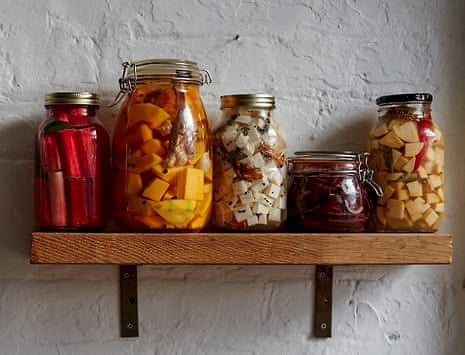
- Place the carrot or other slices in a sterilised glass jar, pour over the cooled brine—ensuring the vegetables are fully submerged—and seal.
- Store the jar at room temperature, out of direct sunlight, for several days. You’ll notice the brine turning cloudy and see some bubbles—a sign of healthy fermentation. Taste the mix daily. Once the vegetables reach your preferred sourness, move the jar to the fridge to slow the process and preserve the taste.
In Nigerian and West African homes, improvisation is key. If carrots aren’t at hand, try cabbage, turnips, or local varieties like garden eggs (African eggplant), green peppers, or even okra. “Cabbage or turnips would be a great choice,” suggests Yoko Nakazawa, author of The Japanese Art of Pickling and Fermenting. She notes that Japanese “asazuke”—lightly pickled vegetables—are made by rubbing the cut veg with 2-3% of their weight in salt, which could easily be adapted for our own local greens and roots.
West African twists on global traditions
Fermentation isn’t new to West Africa. Classic examples include Nigerian iru (fermented locust beans), ogiri in southeastern Nigeria, and dawadawa in northern Ghana and Nigeria. These foods are integral for their umami punch and nutritional boost. But experimenting with global fermentation methods broadens the palate and inspires creative kitchen solutions.
To give your homemade ferments a distinctly African profile, try flavouring them with:
- Dried Scotch bonnet or ata rodo for heat
- Lemon or lime peel for acidity
- Ogiri or iru brine for extra umami tones
- Bay leaves, scent leaves, or efinrin (African basil)
Not only does this bring familiar flavours to your table, but it gives new life to humble ingredients and ensures you’re not dependent on imported pickles or store-bought condiments, which can be costly and may contain preservatives you want to avoid.
Hygiene, success, and tradition: Key lessons for home ferments
No matter what vegetables or spices you use, cleanliness is critical. Nakazawa points out that only beneficial microbes should thrive during fermentation: “It’s essential to keep everything clean to prevent unwanted bacteria and let only the beneficial microbes do their work.” Dishes, knives, and jars should be sterilised with boiling water before use. This echoes the caution seen among seasoned market women in Nigeria, who often rinse their ogi jars meticulously to maintain a healthy ferment.
During fermentation, rely on your senses:
- Looks: Vegetables should stay bright and crisp. The brine may cloud, but a slimy or discoloured appearance signals spoilage.
- Smell: Expect a pleasant, tangy aroma. Any harsh, rotten, or chemical-like smells mean something’s gone wrong—when in doubt, throw it out.
- Sound: You might hear a gentle fizz or pop when you open the jar—proof of healthy activity!
- Taste: As days pass, flavours shift from salty to gently sour and complex. Adjust fermentation time to your preference.
In fact, traditional fermenters in Nigeria—women making kunu (millet drink) or soured fufu—also report that stress can play a role. As Nakazawa gently puts it, “I speak kindly to them and avoid making them when I’m stressed or rushed. It’s a mindfulness activity.” A calm kitchen, free from chaotic energy, is more likely to reward you with successful ferments—something Nigerian home cooks have practiced unconsciously for generations.
Fermentation in a changing Nigeria: Economy, nutrition, and sustainability
With food prices fluctuating and post-harvest losses a major concern, especially for smallholder farmers, home fermentation can serve as an empowerment tool. According to the Nigerian Stored Products Research Institute, Nigeria reportedly loses over N3.5 trillion annually to post-harvest waste—fermentation is a small yet impactful way to address this.
Nigerians are increasingly passionate about self-sufficiency and creativity in the kitchen, and fermentation fits perfectly within this movement. Beyond stretching household budgets and reducing food waste, fermented foods deliver beneficial probiotics, aid digestion, and diversify family meals. For global residents—whether in diaspora communities or cosmopolitan cities—these techniques offer a taste of home with a modern twist, while letting you take control of what goes into your food.
Tips for successful home fermentation in Nigeria and beyond
- Use local, fresh produce. Even slightly aging vegetables work, but avoid anything slimy or moldy.
- Keep all equipment clean, using boiling water to sterilise jars and utensils.
- Experiment with local flavourings for a distinct African touch.
- Let ferments sit at room temperature, preferably around 25–30°C (not in direct sunlight or near heat sources).
- Start small and adjust to taste—you can always ferment more once confident!
- If possible, use glass jars with air-tight lids, but food-safe plastic with a tight lid also works if glass is unavailable.
- Label your jars with dates and ingredients so you can track fermentation time and find your favourites for the future.
West Africa’s rich tradition of fermented foods—now meeting global fermentation trends—shows that with minimal investment, anyone can transform surplus vegetables into a pantry of vibrant, healthy, and flavourful delights. For Nigerians, Ghanaians, and our neighbours across Africa, home fermentation offers new ways to connect with heritage, save money, and nourish families—even as our cuisine gains recognition from foodies around the world.
Are you already making your own pickles or fermented foods at home? Have you experimented with Nigerian vegetables or family recipes? What local twists have you added to your ferments, and how have they worked out? Drop your thoughts in the comments—your kitchen story could inspire others! And if you have a family recipe, innovation, or food story to share, see the footer below for details on getting featured.
-
Got a culinary dilemma or want your food story featured? Email feast@theguardian.com