
“I make your coat-on almond biscuits most weeks,” someone shared with me recently while I was browsing the homeware section at John Lewis in London. She explained that “coat-on” had become her shorthand for any meal she starts as soon as she walks in the door—before she even has time to remove her jacket or settle in. Now she cooks up “coat-on” lentils, rice and leeks, tomato sauce, and couscous with roasted veggies, all inspired by the spirit of speedy yet comforting home cooking. I had to admit to her—and I’ll admit here—that the term originated with celebrated British food writer Nigella Lawson, who coined it in her book How to Eat. She called me generous for giving proper recognition, and after that fun encounter, I floated out onto Oxford Street with my new kitchen gadgets and a sense that food truly connects us, wherever we’re from.
Since then, I too have started using “coat-on” for a range of quick, no-frills meals—that first rush to the kitchen, often hungry from a day’s hustle. And let’s be honest: in modern Nigerian cities like Lagos and Abuja, or even Accra, where traffic or unpredictable NEPA schedules mean people get home late, the appeal of a meal that can be started still in your work clothes is massive. Especially when you need to feed a family, break a fast during Ramadan, or prep a quick bite before heading out for evening church or mosque programs. These “coat-on” recipes are the antidote to elaborate, time-consuming stews or the lengthy efo riro and jollof rice processes.
In fact, twenty years after moving to Rome, and nearly as long since heated kitchen debates with my Italian partner Vincenzo over the “proper” way to cook spaghetti, I find myself with a growing collection of fast, coat-on pasta recipes. For West Africans—where pasta has transitioned from “import food” status to an everyday convenience alongside rice and yam—it’s time to celebrate this style of home-cooking that prizes speed, minimal ingredients, and plenty of flavour.
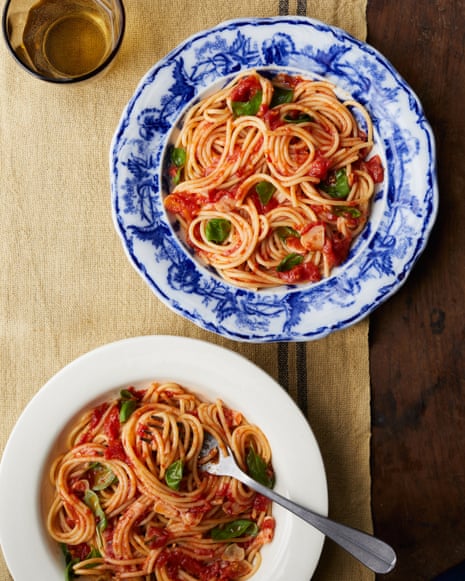
Spaghetti with quick tomato, garlic and chilli sauce
This dish, affectionately known in Naples as a cross between sciue sciue (“hurry hurry” in Neapolitan) and the classic aglio, olio e peperoncino (spaghetti with garlic, chilli, and olive oil), embodies true coat-on cooking. There’s not so much a sauce as a quick, aromatic coating for spaghetti, which makes it perfect for Nigeria’s on-the-go professionals, students, or busy parents. Above all, good olive oil is essential—as important as red palm oil in our native stews. If you have the chance, splash on the best you can afford; you’ll taste the difference.
Locally, when tinned tomatoes replace fresh ones, the “hurry” promise holds. Nigerians, familiar with tomato paste for jollof or stew, can appreciate the ease. If you use fresh tomatoes, watch out for curling skins; peeling matters. And while thyme, scent leaf, or uziza might add a Nigerian twist, basil brings a traditional Italian note. Experiment to suit your own kitchen flair!
Prep 5 min
Cook 10 min
Serves 4
Ingredients:
Salt
450g spaghetti
6-8 tbsp olive oil
2 garlic cloves, peeled and thinly sliced
3 whole, peeled plum tomatoes, tinned or fresh and peeled
1 tsp red chilli flakes
1 handful basil leaves
Boil a pot of salted water and cook the spaghetti until al dente, following the packet guide (this step is familiar to most Nigerians, thanks to indomie and spaghetti’s wide embrace in local households). In a large frying pan, gently warm up the olive oil and garlic slices. Once the garlic is golden and aromatic, add the tomatoes, chilli, and a light sprinkle of salt. Use the back of a fork or a wooden spoon to mash and break down the tomatoes into a rustic sauce—about four minutes over medium heat does the trick. If your sauce finishes before your pasta, slide off the heat but be ready to rewarm if needed.
When spaghetti is done, use a slotted spoon or kitchen tongs to move it straight into the tomato sauce pan. The little bit of cooking water that clings to the pasta will help the sauce bind and stay silky. Toss energetically, tearing and tossing the basil (or your preferred local leaves) over the top. Serve it up hot and fresh—a simple feast.
Tip: For those who dislike the bite of sharp garlic, you can crush or leave the cloves whole for a milder taste, or chop finely for punch. The technique is similar to how we decide on the texture and intensity of onions in Nigerian sauces.
Spaghetti with tinned sardines, anchovy, capers, chilli and lemon
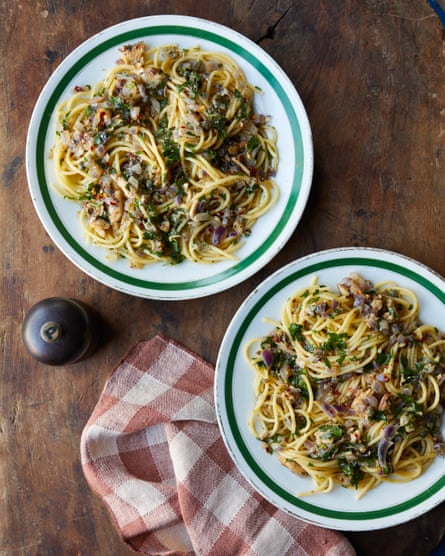
This adaptation of the Sicilian pasta con le sarde makes perfect sense for West Africa, where tinned sardines are popular affordable protein, found at open markets and supermarkets alike. In Ghana and Nigeria, they’re pantry staples, not only for breakfast but quick stews, and here they add a deep umami punch. If you can get sardines in olive oil, use that for extra richness. Where wild fennel or dill are hard to come by, substitute with scented local greens or even simple parsley—flexibility is key.
Prep 5 min
Cook 10 min
Serves 4
Ingredients:
450g spaghetti
Salt
6 tbsp olive oil (or 3 tbsp if using sardines packed in olive oil)
1 red onion, peeled and finely sliced
1 x 120g tin sardines, drained—save the oil for the sauce if possible
2 anchovies
1 tbsp small capers
1 tsp red chilli flakes
1 handful minced parsley
Zest of 1 unwaxed lemon, plus a squeeze of juice
Start by bringing salted water to a boil and cook spaghetti as usual, watching for that just-right al dente bite. In a deep pan, gently warm olive oil (plus any oil from your canned sardines). Add sliced onion and a pinch of salt; stir until softened and fragrant. Then toss in your sardines, anchovies, capers, and chilli flakes. Let everything fry gently, breaking up the fish so it melds into the oil and other ingredients—this forms a lush, golden mixture with bold West African appeal. For a local twist, some cooks substitute iru (locust beans) for anchovy, giving a traditional umami boost reminiscent of Yoruba or Ashanti heritage.
If your sauce finishes ahead of the pasta, simply set aside and rewarm when ready. Now, move your pasta—water droplets and all—directly into the pan with the sardine mixture. Toss vigorously (just as you would mix eba or semovita), adding minced parsley, lemon zest, and a squeeze of lemon juice to taste. The lemon’s sharpness is crucial—it cuts through the oil and lifts the flavour profile, much like fresh citrus in Nigerian pepper soups.
Local Flavours, Global Inspiration: Why ‘Coat-On’ Recipes Matter in West Africa
According to Lagos-based chef Amina Salami, “Quick spaghetti recipes like these empower people to get creative with affordable ingredients already in their kitchens. Tinned sardines, for example, are accessible even in remote areas, and Nigerian home cooks know how to adapt recipes with whatever is at hand—basil might be exchanged for scent leaves, spaghetti swapped with macaroni or indomie.” This flexibility mirrors the real challenges many face: fluctuating food prices, unpredictable electric supply, and the daily grind that makes elaborate cooking impossible for most urban dwellers.
Market statistics from Nigeria’s National Bureau of Statistics (NBS) highlight that over 50% of urban households now prepare pasta-based meals at least once a week, making recipes like these more than just trendy—they’re essential. Many food bloggers and nutritionists, such as Funmi Adio from Ibadan, suggest adding veggies like green peppers, carrots, or flaked titus fish for extra nutrients without slowing down the process. “These kinds of meals are ideal for students, busy mums, or anyone needing good food fast,” Adio asserts.
Culturally, quick pasta dishes have gained massive popularity at Nigerian weddings (“Italian table”), secondary school hostels, and even buka-style restaurants, where spaghetti often features beside rice and beans. Similar trends are seen in Ghana, especially in Accra and Kumasi, where “chop bar” versions of pasta dishes, often reimagined to suit local palates, are brisk sellers. And globally, the convenience and adaptability of these recipes make them favourites as economic situations shift and lifestyles demand more speed.
- Pairing: Serve your coat-on spaghetti with a simple salad of local greens (ugu leaf, shoko, or kale) and fresh, sliced tomatoes for a refreshing Nigerian touch.
- Leftovers: These dishes reheat in minutes, perfect for working parents or students on the go.
- Protein Swaps: Try replacing sardines with mackerel, titus, or even shredded smoked fish for that unmistakable West African smoke and depth.
Whether you’re craving a quick meal after a long danfo commute or wanting to impress friends with your fusion cooking skills, these “coat-on” pasta dishes prove that culinary inspiration knows no borders—and that the Nigerian kitchen, as always, is the perfect place for delicious innovation.
What do you think—do you have your own “coat-on” recipe for fast, satisfying meals? What Nigerian or Ghanaian ingredients would you add to make these recipes feel even more like home? Share your ideas in the comments and join the growing community celebrating simple, soul-nourishing bites!