
With the rise of minimalist living and the value placed on decluttering, many Nigerians and West Africans are re-examining their personal collections—be it clothes, gadgets, or even books. Recently, in the spirit of organisation, I set aside time to sort through my bookshelves, determining which to donate or pass on. In the process, I realised that some cherished titles had gone missing, possibly lent to friends or simply misplaced over time—a familiar sentiment to any avid reader. Rather than feel frustrated, I took it as an opportunity to add something new: one more book to replace those that had found other homes. Not a bad trade in the grand scheme.
While personal libraries may shift with time, some kitchen recipes remain constant, handed down through families or discovered during travels. One such dish that has stood the test of time in my own kitchen is a classic Italian-inspired sformato. The term “sformato” describes a type of baked savoury pudding, typically involving vegetables layered with a creamy sauce. For years, I’ve made a version that starts with seasoned spinach, topped generously with besciamella (bechamel sauce) mixed with Parmesan cheese. This approach highlights something many West African cooks know well: that the repetition of simple steps, with a dash of fresh perspective, can yield new culinary delights.
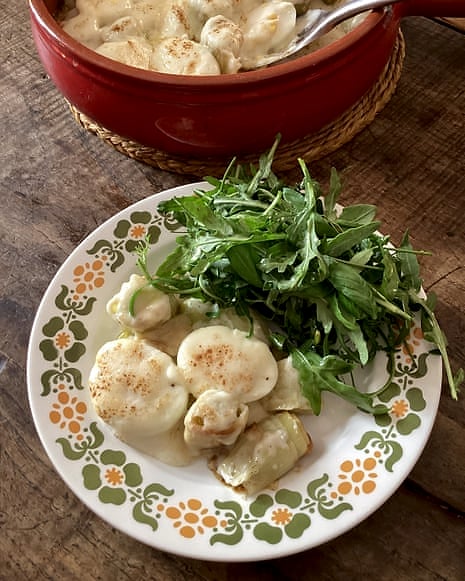
Recently, inspiration struck again while dining at a local restaurant near Arezzo, Italy. For their vegetarian offering, the chef baked leeks—those long, mild-flavoured cousins of onions—in individual dishes, bathing them in a rich cheese-laced bechamel sauce before giving the top a quick blast under the grill until it was bubbling and golden. The owner noted that this method is versatile; spinach can substitute for leeks, and adding hard-boiled eggs transforms the dish into a heartier, protein-rich meal—ideas that resonate with West African beliefs about turning staple vegetables into robust, satisfying food.
For this recipe, the presentation is key: the leeks are trimmed into neat logs and arranged upright in a baking dish, resembling a miniature forest of tree trunks. First, the leeks are roasted alone to maximise their tenderness and sweetness. Then, boiled eggs—hard-cooked for just the right amount of time—are tucked between the leeks before smothering the whole dish with fresh, cheesy bechamel. A brief return to the oven or grill gives it the irresistible, bubbling finish Nigerians associate with a well-made gratin. For best results, serve it alongside a crisp, vinegary salad—perhaps made with local greens like ugu or efo to offer a refreshing contrast and a fusion of global and local flavours.
Baked Leek and Egg Gratin – A Fresh Take for Nigerian Tables
Serves 4 – 6
Ingredients:
4 large leeks
6 eggs
50g butter, plus extra for greasing
Olive oil
50g plain flour
500ml whole milk
Salt and black pepper
Nutmeg, freshly grated (optional, to taste)
50g parmesan, or cheddar, gruyere, or any good melting cheese available locally
Instructions:
- Preparation: Trim the roots of each leek, and peel away any tough or damaged leaves. Wash thoroughly, trying not to break apart the layers. Slice into chunky 4cm logs. Rewash if you spot any hidden dirt, as leeks often hide sand between their layers.
- Eggs: Place the eggs in a saucepan of water, bring to the boil, and simmer for about eight minutes for a firm yolk. Cool quickly in cold water, then peel the shells.
- Arrange: Butter a baking dish (roughly 25cm size). Stand the leek logs upright, packing them in snugly. Drizzle with five tablespoons of olive oil and sprinkle six teaspoons of water between them. Cover with foil.
- Bake: Roast the leeks in a preheated oven at 200°C (180°C for fan ovens)/390°F/gas 6 for 30 minutes. Remove the foil and roast for an additional 10 minutes, until the leeks are soft and just lightly coloured.
- Make the Bechamel: In a saucepan, melt butter over medium heat. Once foaming, whisk in the flour to form a smooth paste. Remove the pan briefly from the heat. Add a splash of milk and whisk smooth, then gradually add the rest of the milk while constantly whisking. Return to heat and cook, stirring, until the sauce thickens and can coat a spoon—about 10 minutes. Season with salt, pepper, and nutmeg. Remove from heat and stir in the cheese until fully melted into the sauce.
- Assemble: Halve the boiled eggs and nestle them among the leeks in the baking dish. Pour the cheesy bechamel sauce evenly over everything.
- Gratin Finish: Return the dish to the oven or place under a grill until the top bubbles and just starts to brown.
This creamy, savory gratin makes a wonderful addition to Sunday family lunches, potlucks, and even festive occasions. The recipe is adaptable, offering Nigerians and West Africans the chance to swap leeks with locally beloved vegetables—like garden eggs, ugu (pumpkin leaves), or even carrots and green beans, depending on what’s in season or available in the markets.
How Locals Can Adapt the Recipe
- Vegetable swaps: If leeks are hard to find, substitute with onions, spring onions, or native greens. Spinach or pumpkin leaves make excellent alternatives.
- Cheese choices: While parmesan delivers a rich flavour, more affordable local options like processed cheddar or African-style hard cheese can be substituted—and even a mix of several types adds complexity.
- Bechamel sauce: For those who want to avoid dairy, a coconut-milk-based white sauce is a possible non-dairy twist, especially for lactose-intolerant communities.
- Egg variations: Smoked fish, shredded chicken, or spiced beef can also be added to the gratin for a “Nigerianised” protein boost.
According to Abuja-based chef, Emeka Adebayo, “The beauty of this dish is in its adaptability. Nigerian cooks can make it their own by using whatever fresh, seasonal greens are on hand. Adding hard-boiled eggs ups the nutrition, making it a complete meal on its own.”
Globally, gratins are enjoyed in various forms, from French potato gratins to Greek moussaka. In West Africa, the concept of assembling and baking vegetables with cream or eggs aligns with many traditional casserole-style dishes, such as Ghana’s beloved Palava sauce (stewed greens with eggs) or Nigeria’s vegetable casserole. This recipe offers West African cooks a chance to blend international techniques with local produce and flavours.
For health-conscious families, baking instead of frying vegetables and using moderate quantities of cheese and oil are smart choices. The inclusion of eggs brings protein and important vitamins, while the use of local greens delivers fibre and antioxidants. Nutritionists in Lagos have praised such fusion dishes for promoting food diversity and encouraging the use of local fruits and vegetables in modern home cooking.
While this recipe might feel continental, its adaptability and simplicity make it a worthy addition to the Nigerian table—one that can be dressed up for celebrations or kept simple for everyday meals. For busy urban families, making the bechamel ahead of time and assembling the gratin just before baking saves time and energy, a method many Lagos and Accra professionals are adopting.
Across the globe, food brings people together by transforming humble ingredients into memorable meals. Whether you stick to the classic leeks and eggs or explore your own local options, this baked gratin offers warmth, comfort, and a reminder that great food knows no borders. Have you tried a similar recipe using local Nigerian or Ghanaian veggies? What creative swaps would you make?
For more on modern Nigerian and West African recipes, culinary news, or food features, follow us on Facebook, X (Twitter), and Instagram.
Want to get your personal recipe or food business featured? Or have a cooking story to share or even sell? Reach out anytime to story@nowahalazone.com.