
A seismic shift rocks Japan’s car market: after years in the shadows, the Daihatsu Move explodes back onto the scene, clinching the title of best-selling kei car for the first time since 2017. Wetin dey happen for Japan, and why should a Nigerian or African car enthusiast care? Strap in—this is the inside story of market wobbles, relentless rivalries, and lessons that hit close to home for our own roads and economy.
Japan’s Car Market: Latest Numbers and a Shocking Comeback
Picture this: October 2025. Despite a slight -1.8% decline in total new vehicle sales to 395,189 units, Japan’s automotive sector is still cruising strong for the year, maintaining an overall +4.3% growth with 3,860,597 sales so far, according to JADA and official trade associations.
But here’s the real gist—Toyota remains the market giant, holding onto a massive 32.8% share in October, although it faced a -5.4% monthly dip. While some big names stumbled, others like Daihatsu and Suzuki weathered the storm, showing the kind of resilience every Lagos danfo driver would admire on a chaotic Monday morning.
Revealed: Brands Jostling for Japan’s Crown
When it comes to market leadership, Toyota na oga at the top, but even the champion get wahala sometimes. The full list below paints a tale of fierce competition:
- Toyota: 129,489 sales in October; despite setbacks, still kingpin.
- Suzuki (+5.8%) and Daihatsu (+26.9%) both reported explosive growths, with Daihatsu stealing the spotlight.
- Mazda (-27.1%), Nissan (-22.2%), and even Honda (-8%) all took heavy knocks—with losses that would make any Nigerian auto trader pause and reflect on market volatility.
- Foreign makers may dey look like underdogs, but brands like BYD (+109.8%), Volkswagen (+77.8%), and Audi (+83.7%) showed that surprises dey the bottom of the pot.
These ups and downs underline a familiar theme: even industry titans can be tested by unexpected shifts and consumer tastes—no different from the way Lagosians move from keke to ride-hailing apps when the price is right.
Under the Bonnet: Market Shakeups and New Contenders
Digging into the regular passenger cars, the Toyota Yaris/Cross kept its crown, surging by +1.3% despite bruising competition. In contrast, the usually mighty Toyota Corolla/Cross slumped by nearly -20%. But that’s not all—Toyota’s dominance is undeniable, monopolizing the top seven positions. As for Suzuki and Honda, they’re not just making up numbers; models like the Xbee (+169.8%) and StepWGN (+57.9%) have Nigerians and Ghanaians alike envisioning these trims as school run vehicles or office shuttles, if only import duties were friendlier.
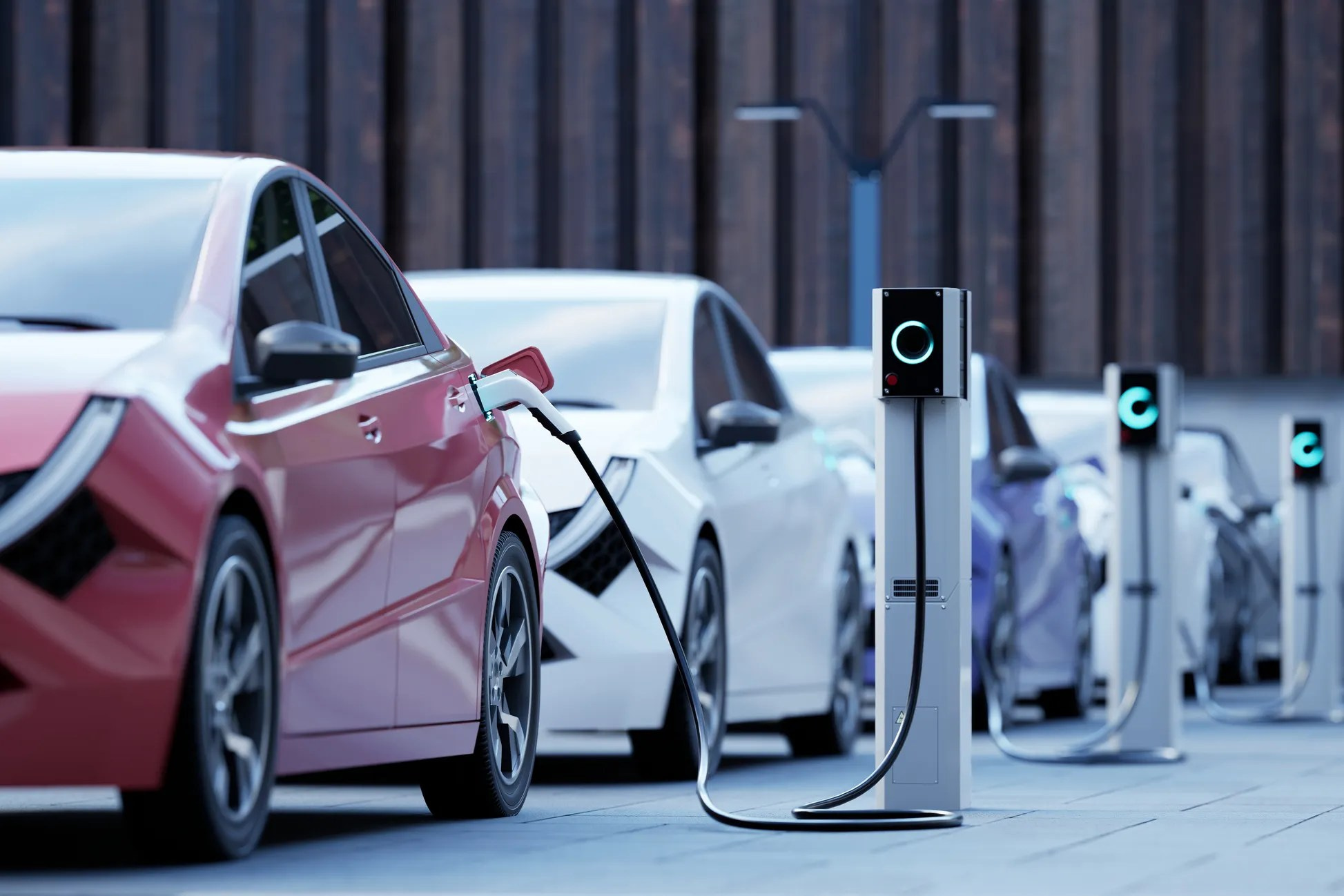
In fact, one new kid on the block—the electric Toyota bZ4X—has landed sharply in the Top 50. With EV push gaining ground even across Africa, could Japan’s gamble give Abuja and Accra’s own EV ambitions a needed jolt?
Kei Cars: Inside the Explosive Comeback of the Daihatsu Move
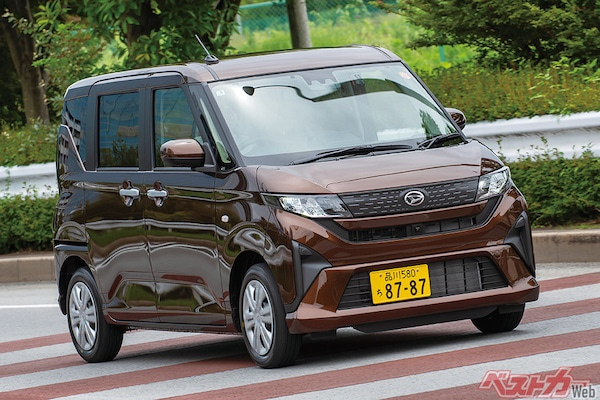
Now, the headline you can’t ignore: after a long seven years in the cold, the Daihatsu Move pulled off an “up NEPA” comeback, notching an explosive +208.3% growth spurt and sprinting to the front. For context, this is like an old face at Alaba International Market rebranding and outselling all the popular traders overnight!
And as Honda’s N-BOX—usually the people’s champion—unexpectedly took fourth place, analysts in both Tokyo and Lagos dey ask: is this a sign that shoppers are now favouring practicality over brand status? Nigerians, with our hustle to get maximum value for money, can certainly relate.
- Daihatsu Move: 16,015 units (+208.3%)—no be small thing!
- Suzuki Spacia and Daihatsu Tanto also secured podium places, with Spacia just inching up by +1.3% and Tanto clocking a healthy +34.3% rise.
- Further down, the Honda N-ONE (+87%) and Toyota Pixis (+47%) flexed their muscle, compressing competition even tighter.
What Makes a Car “Move” in 2025? Lessons from Tokyo to Lagos
What can we learn from this?
- Adapt or get left behind: Daihatsu Move’s return reminds us that innovation—and listening to buyers—always wins, whether in Tokyo or Yaba.
- Brand doesn’t always mean loyalty: When push comes to shove, value for money rules, especially in tight economies, nakin to what we see during fuel scarcity or when transport fares jump overnight.
- Sustainability on the rise: With electric models breaking the top charts, the shift toward greener transport no go favour only oyinbo countries. As climate change dey bite, countries across Africa must pay close attention.
Analysts like Mr. Chibuike Okafor, a Lagos-based motor dealer, note, “The trend shows that even in a mature market, new drivers and shifting preferences go fit shake the table for entrenched players. Na who adapt dey survive.”
Why Nigerians Should Care: Local Parallels and Economic Impact
For many in Nigeria, the Japanese car market serves as a sort of distant mirror—what plays out in Tokyo’s showrooms often foreshadows what lands at Apapa Port. So, when brands retool to woo local buyers with smaller, more fuel-efficient cars, Nigerians take note, knowing a vehicle like the Daihatsu Move could one day replace a worn-out keke or become the darling of Bolt drivers and shuttle operators across West Africa.
Furthermore, the rise of EVs and practical cars speaks directly to current cost-of-living challenges. In a market where the price of petrol fluctuates faster than NEPA light, rugged and budget-friendly options are king. Will Nigerian importers now focus more on these kei car models? Time go tell.
The Global Connection: Africa Not Left Behind
This fresh twist in the Japanese market also ripples globally. As African nations like Ghana, Kenya, and South Africa gradually embrace stricter emissions standards and newer technology, demand for versatile vehicles—be it small, spacious, or eco-friendly—will only increase.
And while the Japanese market spotlight has long dazzled with big names and established models, their latest shakeup stands as a subtle nudge to Nigerian policymakers and business owners: invest in variety, keep your eyes on emerging consumer tastes, and never underrate the power of a comeback—because the next car that takes Africa by storm might not be the one wearing the biggest badge today.
Key Takeaways: Lessons for Nigerian Drivers and Traders
- Agility wins: Don’t be afraid to change your hustle if the market shifts suddenly.
- Eyes on global trends: Today’s hit in Japan could be tomorrow’s game-changer at Ojota.
- Stay ready for surprises: Whether in business or on the road, you must drive with your two eyes open, as the back seat can become the driver’s seat overnight.
Sources: JADA, JMVA, JAIA. All figures as reported, 2025 estimates.
What about you? Will we soon see more compact, practical vehicles dominating Nigerian streets? What’s your view on Japan’s vehicle market shakeup, and how could it affect us here at home? Drop your thoughts below—don’t dull the gist!
Got a unique story about cars, transport, or trading you want the world to know? You fit get am featured here! Email us at story@nowahalazone.com to share or sell your story, or for general questions, reach us at support@nowahalazone.com.
Get fresh auto market updates, inside scoops, and community opinions on social media—join the conversation on Facebook, X (Twitter), and Instagram. We dey wait for your reaction!