
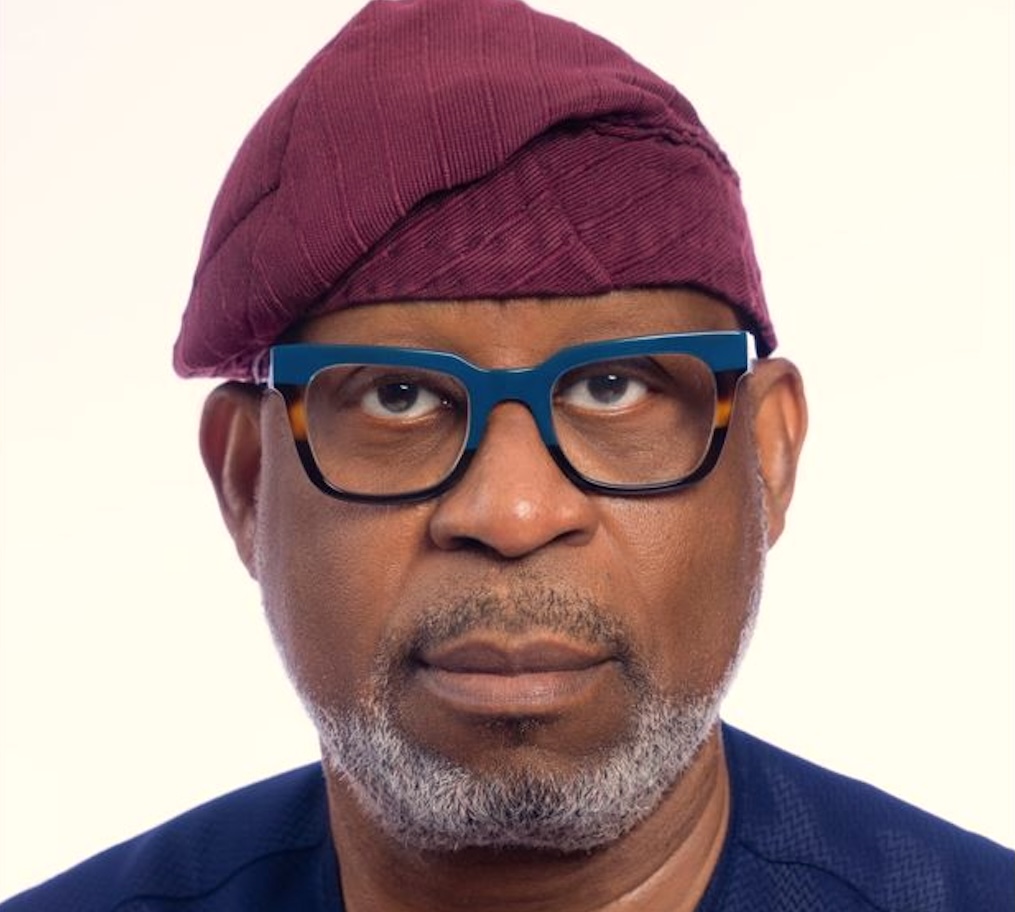
On October 6, Dr. Henry Dele Alake, Nigeria’s Minister of Solid Minerals Development, marks his 69th birthday—a milestone that prompts reflection on a remarkable journey spanning journalism, public service, and ambitious reform. For many Nigerians, Alake remains a celebrated figure in the media, and more recently, a symbol of renewed optimism for Nigeria’s vast but underdeveloped minerals sector. His story resonates beyond Nigeria, reverberating across West Africa and the global mining community.
Family Roots and Early Influence
Understanding Dele Alake’s motivations necessitates looking at his family legacy, notably that of his father, Pa Michael Ojo Alake. A trailblazer in education, Pa Alake earned a degree in Philosophy from Fourah Bay College—at the time, one of the most distinguished institutions in West Africa. His commitment to social upliftment led him to establish the Benevolent High School in Lagos, an institution known for extending free education to local students, particularly those from Ikoro-Ekiti and less privileged backgrounds. In appreciation, his home community honoured him with the prestigious Eleyinmi of Ikoro-Ekiti title, underscoring his dedication to collective progress.
Notably, from 1979 to 1983, Pa Alake was a close adviser to Lagos State governor Lateef Jakande during the rollout of Lagos’ famed free education programme—a transformative policy that abolished sessional shifts and constructed more than 500 new schools in just four years. This bold government intervention left an imprint on the young Dele, shaping his beliefs about public service and the power of education to drive social mobility and national development.
Academic and Social Awakening
Dr. Alake’s formative years were marked by academic excellence and exposure to Nigeria’s elite institutions, including Surulere Baptist Primary School, Christ’s School in Ado-Ekiti, and the prestigious Igbobi College in Yaba. His journey continued at the University of Lagos, where he earned a degree in Political Science before proceeding to secure a Master’s in Mass Communication. Beyond classroom achievement, Alake was deeply involved in campus activities that broadened his worldview, including engagement with literary giant, Professor Wole Soyinka. This immersion expanded his awareness of Nigeria’s social issues and his commitment to championing societal change—a foundation that would profoundly influence his later work.
Carving a Niche in Journalism
The choice to pivot from education to communication was strategic. Upon commencing his National Youth Service Corps (NYSC) year at Ogun State Radio, Alake’s analytical skills and creativity soon distinguished him. He was quickly entrusted with responsibilities typically reserved for senior staff—a feat that led to another rapid elevation: his appointment as Senior Sub-Editor at Lagos State Radio, one of the fastest promotions in the station’s history.
Alake’s rise within the journalism sector aligned with his passion for public enlightenment. As a columnist, editor, and newsroom manager, Alake treated journalism as a vehicle for advocacy, reminiscent of Paulo Freire’s philosophy in Pedagogy of the Oppressed. During Nigeria’s years under military rule, this stance often drew the ire of authorities, resulting in frequent detentions and, at one point, the closure of Concord Press, where he worked. But he remained determined, guided by the conviction that “the future will have no pity for those” who, with a platform to challenge injustice, choose silence, echoing the words of Frantz Fanon.
Inside the June 12 Struggle and Political Odyssey
The seismic events of June 12, 1993—when the presidential election allegedly won by M.K.O. Abiola was annulled—catapulted Alake into the heart of Nigeria’s prodemocracy movement. He joined forces with other advocates, including Senator Bola Ahmed Tinubu, to press relentlessly for the restoration of democratic governance. This partnership matured into a lifelong alliance; when Tinubu became governor of Lagos State in 1999, Alake was appointed Commissioner for Information and Strategy, shaping communication and policy for the state government through 2007.
Alake’s media and political acumen soon extended to the national stage. In 2014, he was named Director of Media and Communication for the Buhari Campaign Organisation, underscoring his credibility as a political strategist and adviser. Over time, Alake developed a reputation not only for his loyalty but for his tactical expertise—an asset valued by successive political leaders at state and federal levels.
Tackling Nigeria’s Solid Minerals Sector: Opportunities and Hurdles
Appointed as Minister of Solid Minerals Development in August 2023, Alake faced daunting obstacles. Nigeria’s mining sector, long criticized for weak regulation, entrenched interests in illicit mining, and security challenges, required a bold new direction. Industry experts noted that the country had historically underutilized its mineral wealth, lagging behind peers like Ghana and South Africa in resource management and industrial value addition.
Alake’s approach drew from his journalistic background, employing agenda-setting strategies to identify entrenched problems and chart viable solutions. He unveiled a Seven-Point Agenda targeting international competitiveness and local industrialisation. Key points included:
- Addressing insecurity and illegal mining
- Streamlining licence administration and enforcement
- Revoking non-performing licences to restore regulatory integrity
- Establishing key statutory and regulatory bodies
- Focusing on in-country mineral processing to boost job creation and revenues
Alake also highlighted the need for improved royalty collection, increased administrative transparency, and effective use of funds to develop the mining ecosystem. According to the ministry, royalties collected by the Mines Inspectorate Department reached ₦6.4 billion by December 2023, with mining Cadastral Office revenue reportedly jumping from ₦6 billion in 2023 to ₦12.5 billion in 2024. These gains, officials explained, are linked directly to the Minister’s coordinated reforms.
Sectoral Reforms and Early Outcomes
Concrete steps implemented under Alake’s watch include:
- The creation of Mining Marshals, specialised units tackling illegal operations and mine security
- The revocation of nearly 4,000 dormant or non-compliant mining titles, effecting a much-needed regulatory shakeup
- Establishing the Nigerian Solid Minerals Company and an Environmental Rehabilitation Fund to promote responsible mining and site restoration
- Advocacy for value addition—mineral processing on Nigerian soil for enhanced job creation and global competitiveness
Alake’s international engagement, including at the 2024 Future Minerals Forum in Riyadh, resonated strongly with other African mining ministers, leading to the formation of the Africa Minerals Strategy Group (AMSG). Observers have described this as a pivotal move towards regional harmonisation of mining policies and market positioning, with Alake appointed as the group’s inaugural chairperson.
Driving Value Addition: Investments and Local Impact
The advocacy for in-country mineral processing has attracted significant investment in new and existing projects. Recently, Hasetins launched a $400 million rare earth plant, ASBA invested $60 million in lithium processing, and both Canmax and New Energy Materials Company committed $200 million each to lithium plants. Other operators such as Segilola/Thor, Kursi, and Africa Industries Group have scaled up their operations. The ministry’s investment plans, supported by the SMDF and Africa Finance Corporation, include a $1.3 billion alumina complex and a $96.8 million silica project.
For local communities, these developments have started to translate into tangible benefits: job opportunities, skill acquisition, and increased government revenues shared with local and state governments. According to Lagos-based mining consultant Chuks Obasi, “The scale of new investments and policy clarity is encouraging companies to move from speculation to actual mining and processing, which could create value chains benefiting thousands of Nigerians.”
Banishing Illegal Mining: Security and Compliance
Combating illegal mining remains an immense challenge. With more than 300 suspected illegal miners prosecuted and over 90 illicit mining sites dislodged, authorities are stepping up enforcement operations. The Ministry’s goal is to monitor over 450 locations, but experts caution that sustaining momentum will require increased funding, better surveillance technology, and ongoing cooperation from local communities and state governments. “Without community buy-in, enforcement efforts can be undermined by local grievances or inadequate alternatives for artisanal miners,” noted Abuja security analyst Mariam Eze.
Promoting Transparency and Building Capacity
A major development is the upgrade to the Electronic Mining Cadastre system, allowing 24-hour research and applications from anywhere in the world. The launch of a dedicated mining decisions website and improved transparency on government agency websites reportedly make it easier for Nigerians—and international partners—to track mining activities and policy shifts.
Human capacity development is another pillar: the ministry’s partnership with the Australian government has enabled Nigerian geologists to receive advanced training at Murdoch University, while local workshops on gemology and jewellery making have equipped more than 250 youths with new skills. These initiatives support President Bola Tinubu’s “Renewed Hope” agenda by ensuring the sector’s transformation is inclusive, sustainable, and forward-looking.
Key Challenges and Looking Ahead
Despite progress, analysts warn that regulatory enforcement, community engagement, and environmental sustainability remain ongoing concerns. Some critics argue that long-standing structural issues—such as bureaucratic red tape, corruption, and infrastructural limitations—could still hamper reforms. Comparisons with Ghana’s and South Africa’s mining sectors show Nigeria must accelerate reforms to match regional leaders in responsible mining, revenue management, and job creation.
For now, Alake’s efforts have been widely acknowledged. Operators reportedly observe deadlines and compliance protocols with fresh seriousness, while international stakeholders are watching to see if Nigeria can sustain recent momentum and rise as a continental mining powerhouse.
As he celebrates another year, Alake’s legacy continues a family tradition of dedicated public service. The rigorous daily grind of leadership in a complex sector means little time for personal milestones, but his impact is being felt from mining communities in Zamfara to global boardrooms. The evolution of Nigeria’s minerals sector—its challenges and promise—is now firmly tied to this legacy of reform and resilience.
How do you think Nigeria’s focus on value-added mining and regulatory reforms will impact jobs, local communities, and the broader West African region? Join the conversation—share your perspective in the comments and follow us for more in-depth coverage of developments that matter to you.
For general support inquiries, reach us at support@nowahalazone.com.
Stay connected with us on Facebook, X (Twitter), and Instagram for the latest updates and insights!