
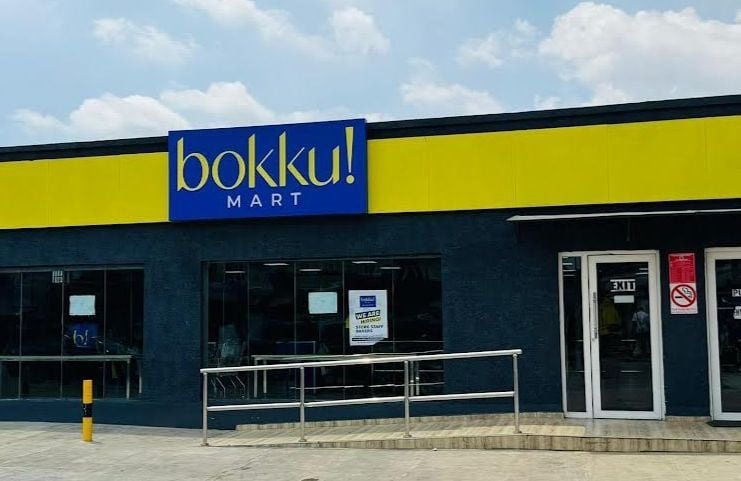
Have you ever seen an advert so explosive that it sparks outrage all across Nigeria overnight? That’s exactly what happened when Bokku Mart’s social media campaign took an unexpected, controversial turn, shining a harsh spotlight on the delicate topic of ethnic sensitivity in Nigerian advertising.
Picture this: You’re scrolling through your phone on a Tuesday afternoon, and suddenly, an advert pops up online, meant to promote affordability at Bokku Mart—a well-known retail brand. But rather than boosting excitement for bargains, the ad sent shockwaves through the Nigerian social media space. The cause? A phrase that many could not stomach: “No Omo Igbo can cheat me.” Instantly, uproar erupted, with hashtags flying and calls to boycott the supermarket gaining momentum within hours.
Retail Advertising and Ethnic Sensitivity: An Unprecedented Backlash
Nothing prepares a brand for the whirlwind that follows a perceived ethnic slur—especially in a country as diverse as Nigeria. The phrase, used by content creator Defolah in Bokku Mart’s advert, was widely condemned as ethnically insensitive toward Nigerians of South-East descent. Within minutes, social media platforms were ablaze. Users accused the supermarket of not just carelessness but, more gravely, fueling ethnic stereotypes that go against Nigeria’s spirit of unity. It was, in short, a public relations crisis nobody saw coming.
“When I saw that video, honestly, I lost respect for them,” said Chika, a student based in Enugu. “Are we still doing this in 2024? They need to understand we are one Nigeria, and words matter!”
Ethnic sensitivity in Nigerian advertising isn’t just about following the rules; it’s about respecting the country’s unique tapestry. One misstep, and brands can find themselves in the fire, as Bokku Mart did.
Bokku Mart’s Immediate Response: Owning Up to the Mistake
Within 48 hours, Bokku Mart broke its silence. The company issued a heartfelt apology on its official X (formerly Twitter) handle. According to their statement, the words used were “offensive and hurtful,” explicitly pointing out that the video does not reflect the brand’s ethos. The supermarket emphasized that the controversial marketing content was not internally produced but had come from an external influencer, published by a third-party media agency without the company’s prior review.
“We are deeply saddened and disturbed by a video recently shared online that contained offensive language,” Bokku Mart wrote. “The language used was unacceptable and deeply misaligned with Bokku’s values. Even though this content originated from an external source, we take full responsibility for allowing it on our platform.”
That’s not all. Bokku Mart announced a series of corrective measures:
- Stricter review processes for all external content
- Tighter oversight on third-party agency outputs
- Recommitment to values of unity, inclusiveness, and respect for all Nigerians
While apologies are crucial, actions speak louder. The brand’s next steps will likely determine whether shoppers forgive and move forward—or continue their calls for boycott.
How Nigerians Reacted: A Mirror to Societal Concerns
Why did this incident cut so deep? Nigeria’s strength lies in its diversity, yet it’s also what makes society sensitive to even the smallest slip. For many, this episode was a reminder of past wounds. “This isn’t just about Bokku Mart,” explains Abuja-based social commentator Ngozi Ekeke. “It’s about the little ways brands shape how we see each other. Every phrase, every joke, it all counts.”
Online, opinions were split. Some insisted that the company’s apology was only step one. Others argued it was high time Nigerian brands understood that inclusivity is not a buzzword but a survival tool in today’s market. “After all, na who no dey market, dey talk anyhow,” an X user quipped, emphasising the need for respect in all things business.
What Responsibility Do Influencers and Agencies Have?
With the digital gig economy booming, more brands rely on influencers and third-party agencies to market their products. But who owns the outcome? According to marketing consultant Abiola Olatunji, “The lines are blurry, but accountability sits with the brand. They carry the brand name, they take the heat.”
The influencer in question, Defolah, reportedly issued an apology post, sharing screenshots and expressing regret for the harm caused. While this move calmed some nerves, many Nigerians called for comprehensive cultural sensitivity training—both for content creators and brand managers.
Industry experts warn that one insensitive ad can undo years of goodwill. This case is not isolated; across the continent, brands like Shoprite and Woolworths have had to weather public storms after adverts triggered customer backlash. The lesson? In Nigeria, even “small play” can quickly turn to “big wahala.”
A Look at Bokku Mart’s New Approach—And Broader Implications for Nigerian Advertising
How do you regain public trust after a PR crisis like this?
Bokku Mart says they have reinforced internal review mechanisms to ensure that no advert—no matter how creative—goes public without strict vetting. The brand reaffirmed its dedication to “unity and respect for all Nigerians,” stating its mission is to make life better for everyone by providing affordable products without compromise on dignity or fairness.
This episode is a learning curve not just for Bokku Mart, but for every business in Nigeria. Regulatory agencies, such as the National Broadcasting Commission (NBC) and the Advertising Regulatory Council of Nigeria (ARCON), provide advertising guidelines that specifically warn against language or imagery that may incite discrimination. Violations can attract significant penalties, including fines and advertising bans. Brands are expected to demonstrate meaningful awareness of Nigeria’s ethnic landscape—not just tick regulatory boxes.
In the heat of social media backlash, other retailers are watching closely. One marketing director from a major Lagos supermarket, who preferred anonymity, said, “Our reputation is everything. We now double-check every collaboration. No one wants unnecessary ‘wahala’ when a simple review can prevent it.”
Looking Beyond the Noise: Can This Incident Drive Real Change?
Of course, many Nigerians are wondering: Will Bokku Mart’s pledge for inclusivity be sustained—or is it just damage control?
Only time will tell. But if there’s one “shocking truth” this story reveals, it’s that public consciousness in Nigeria is rising. Social media users now act as watchdogs, ready to call out anything that disrespects the nation’s fabrics. In a land where every tribe proudly waves its flag, brands can either ride the wave of unity—or risk sinking in public opinion.
For everyday shoppers, this saga is a lesson in buying power. “If we don’t like how a brand talks about us, we can just ‘waka’ go another shop,” Lagos trader Musa declared. Indeed, it’s the people that ultimately decide which brands thrive in the market—and which ones are relegated to the sideline.
Key Takeaways for Brands and Consumers
- Ethnic sensitivity in advertising is non-negotiable—especially in such a diverse country like Nigeria.
- Brands must vet influencer content extensively before publishing.
- Public apologies are only the beginning; consistent inclusive action is what wins back trust.
- Nigerians are more vigilant than ever, using social media as a megaphone for their voices.
- Regulatory compliance protects brands from legal sanction and reputational risk.
As this incident shows, no brand is too big—or too small—to find itself in hot water over an advert gone wrong. But maybe, just maybe, it’s challenges like these that push Nigeria’s retail sector one step closer to the unity and pride we all desire.
Do you think brands in Nigeria are doing enough to promote inclusivity in advertising? How do you feel about Bokku Mart’s response to this controversy? Drop your thoughts below and join the conversation!
For support, reach out at support@nowahalazone.com.
Follow us for more updates and local insights on Facebook,
X (Twitter), and
Instagram.
Your voice matters—don’t just observe, be heard!