
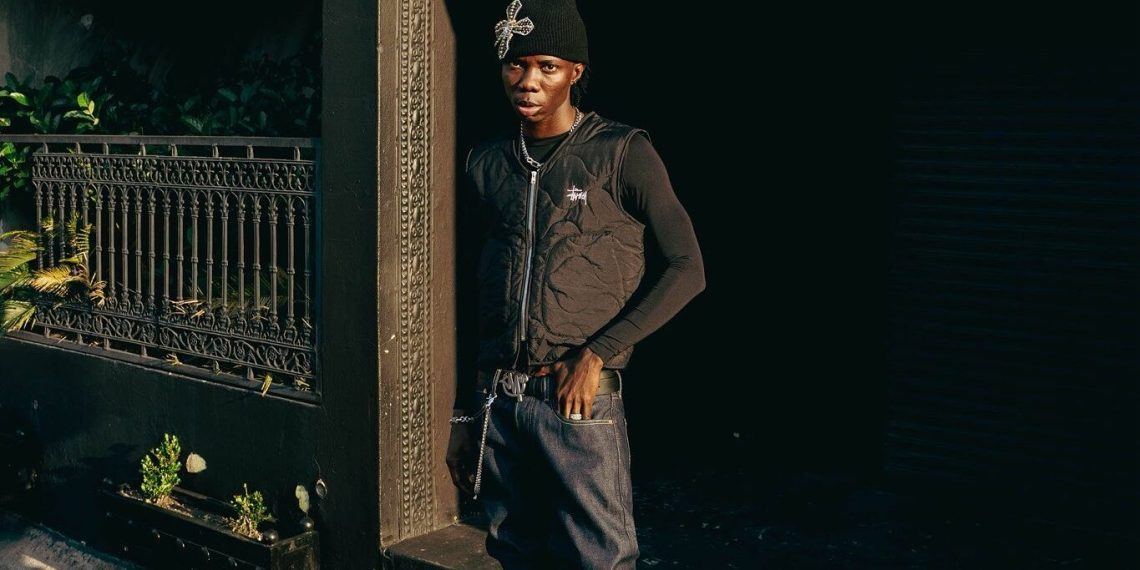
What happens when fame collides with allegations of privacy invasion in the fast-paced world of Nigerian music? The latest drama swirling around celebrated rapper Blaqbonez offers a cautionary tale, one that is sparking serious debates from Surulere to Abuja and making both music fans and legal practitioners hold their breath. With accusations of cyber harassment and threats of legal action, this is more than just “another celebrity gist”—it’s an unfolding story with deep relevance for digital rights and personal safety in Nigeria.
Explosive Claims Shake Nigerian Entertainment
According to a statement released by the legal firm Bristol & Mortglass C.S., a woman identified as “Jane Doe” alleges that her refusal of the rapper’s romantic advances led to a persistent campaign of cyberstalking, harassment, and alleged blackmail. The firm claims its client experienced a flurry of distressing messages, non-consensual sharing of private video content, and mounting emotional pressure—actions that reportedly started in December 2024.
“Our client wishes to bring to public attention the prolonged and deeply distressing harassment, cyberstalking, bullying, and threats our client has suffered at the hands of Mr Emeka Akumefule, popularly known as Blaqbonez,” the statement emphasized.
For many Nigerians, this announcement strikes a familiar, but troubling, chord. In a landscape where social media serves as both a creative canvas and a battlefield, stories of cyberbullying seem to grow louder by the day. Yet, when a household name is involved, the spotlight grows even hotter, with social and legal implications rippling far beyond the timeline of Instagram and X (formerly Twitter).
Inside the Allegations: Nigerian Law, Technology & Trauma
Digging deeper into the petition, the solicitors outline claims that go beyond casual online banter or “playful drags.” They argue the musician’s alleged actions—including the unlawful procurement and sharing of private videos—amount not only to a personal violation, but also potentially breach key Nigerian laws. The cited statutes include the Cybercrimes (Prohibition, Prevention, etc.) Act 2015, the Violence Against Persons (Prohibition) Act 2015, and the Nigeria Data Protection Act 2023.
These are not minor accusations. If proven, the legal consequences could be severe—ranging from hefty fines to possible imprisonment. The legal firm alleges that despite attempts to engage the artist, including delivering formal petitions to his residence on two separate occasions in the last nine months, the “harassment has persisted and worsened.” For Jane Doe, the results have reportedly been devastating—affecting her mental health, everyday movement in Lagos, and even her livelihood.
Every Lagosian knows what it means to feel unsafe—imagine glancing over your shoulder each time you step out, never knowing if your private life might explode onto the public stage. It’s a fear that is all too real for many—male or female—in our hyperconnected society.
Pushing for Accountability: Petition to the Police
Tired of waiting in vain, Jane Doe’s legal team was left with no choice but to formally petition the Nigeria Police Force. Their demands? A full-scale investigation and justice under Nigerian law. The severity of their claims was underlined by earlier correspondence from TIA Solicitors, demanding the immediate deletion of private content, a public apology, and financial compensation for emotional distress—reportedly to the tune of N200 million should legal action be pursued.
- Prolonged cyberstalking and harassment reportedly following a rejected relationship proposal
- Alleged unlawful sharing of private videos without consent
- Links to Nigeria’s cybercrime and data protection laws
- Formal petitions and demands for compensation dating back months
All eyes are now on the authorities, with the legal team expressing faith that law enforcement will “investigate thoroughly and act according to the law.” The broader issue, however, raises questions for regular Nigerians: Are our personal boundaries really safe in this digital age? And how well do our laws protect victims—especially when high-profile individuals are involved?
Nigeria’s Digital Age: Are Safeguards Strong Enough?
While this case involves a celebrity, digital rights experts warn that cyber harassment is becoming a more widespread issue across Nigeria. According to the Nigerian Communications Commission, mobile internet usage in Nigeria stands at over 150 million subscriptions as of late 2023. With so many eyes online, the risk of privacy violations and harassment can affect bankers, students, entrepreneurs, and ordinary citizens alike.
Yet, despite progress in digital legislation, local observers often point out loopholes in enforcement. As one Lagos-based lawyer noted in a recent conversation, “Enacting the law is not the same as implementing it. Survivors just want to feel heard and protected, but the process can be overwhelming.”
Some experts argue that the complexities of digital evidence and jurisdiction make it difficult for cases to progress quickly. As a result, victims sometimes feel left in the lurch, while accused persons maintain innocence pending legal outcomes. And in a society where online “dragging” is just a meme away, the court of public opinion can sometimes overshadow due process.
What Are the Implications for Nigerian Celebrities—and the Public?
This case is a sharp reminder: fame does not place anyone above the law, and digital actions often have real-world consequences. For emerging and established stars alike, the stakes are particularly high. Social media presence can build your career overnight—or make it tumble like a house of cards if allegations stick. It’s an unpredictable game, where privacy and online reputations are constantly at risk.
For ordinary Nigerians, the story serves as a wake-up call about the dangers of sharing sensitive content online and the challenges of seeking recourse when things go awry. Just as “no condition is permanent” as the saying goes, no one’s safety online is ever permanently guaranteed. Vigilance and awareness—of both your rights and the risks—remain vital.
A National Conversation: Justice, Privacy, and the Road Ahead
As the legal battle proceeds, reactions across the country are as diverse as our jollof recipes. Some argue that the justice system must act swiftly to protect victims. Others raise concerns about false allegations or trial by media—highlighting the need for balance and careful adherence to due process. Advocacy groups such as NAPTIP (National Agency for the Prohibition of Trafficking in Persons) have called for increased public education on digital safety and respect for privacy rights.
Globally, cases like this resonate as more societies grapple with the challenges of online abuse and data protection. Nigerian policymakers will likely continue to reform and strengthen cyber regulations, while empowering citizens to stand up for their rights.
For now, all eyes remain fixed on the ongoing proceedings. Will justice prevail? Or will this be another chapter in the book of “celebrity wahala” with little resolution? Only time—and thorough legal investigation—will tell.
Have you or someone you know experienced online harassment or a violation of privacy? What do you think is the best way forward for digital safety in Nigeria? Drop your thoughts in the comments, and stay with us for updates as this story develops!