
Have you ever wondered how quickly a calm Nigerian afternoon can turn upside down—one minute a sleepy town, the next, a scene straight out of an action film? On a seemingly ordinary day in Benue State, such a dramatic twist played out, painting a vivid picture of why security vigilance remains a lifeline across our communities.
Security Breakthrough on the Otukpo–Enugu Road
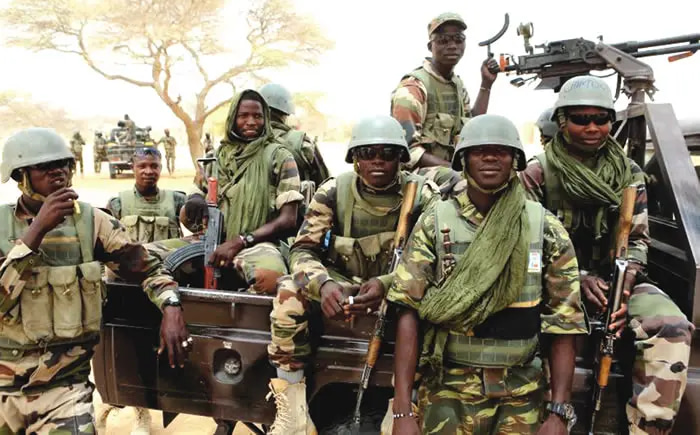
In what the Nigerian military has called a remarkable display of alertness, troops attached to Sector 1 under Operation Whirl Stroke (OPWS) reportedly apprehended three young men suspected of plotting criminal activity. This incident occurred on November 5, 2025, along the well-trafficked Otukpo–Enugu Road in the heart of Ohimini Local Government Area—an axis notorious for both hustle and uncertainty. According to Lieutenant Ahmad Zubairu, the Acting Media Information Officer of the Joint Task Force, the suspects were stopped during a routine patrol that quickly became anything but routine.
Who Were the Suspects, and What Was at Stake?
The arrested individuals—identified as John Isaac (22), Baba Emmanuel (17), and Sunday Thomas (19), all residents of Otukpo—were reportedly riding on a motorcycle when intercepting forces, armed with fresh intelligence, flagged them down. Their uneasy demeanour, observers say, triggered a swift and thorough search.
What followed reads like scenes out of a crime thriller: the patrol team discovered a locally made pistol, a single cartridge, three mobile phones, and a sum of N20,200. It’s easy to underestimate this haul, but security experts like Kaduna-based analyst Patrick Adedokun often warn that even basic tools can fuel frightening criminal acts, especially when paired with desperation and opportunity.
Foiled Attack? Inside the Investigation
According to preliminary findings shared by Lt. Zubairu, the suspects were allegedly en route to commit a crime—possibly armed robbery or another violent offence. While full details are yet to be released pending investigation, the proactive action of the troops was crucial. For residents of Ohimini and neighbouring communities who have long voiced concerns about safety on rural highways, this operation brought a sigh of relief. One local youth leader, Chuks Idoko, explained, “This road has been wahala for us. But with this kind of army work, we fit sleep with one eye closed now.”
Military’s Professionalism Lauded—But is it Enough?
Major General Moses Gara, Force Commander of Operation Whirl Stroke, praised his troops for their vigilance and “professionalism in averting what could have turned into another tragedy.” According to the statement, the suspects are currently in military custody and are expected to face thorough interrogation and, if indicted, prosecution. This strict approach is designed to send a strong signal: there’s no hiding place for would-be criminals in Benue State.
But it begs the question—can tactical victories like this solve the larger security puzzle? Many locals acknowledge improvements, but some critics argue that more is needed beyond arrests. They point to deeper issues: youth unemployment, inadequate infrastructure, and porous local intelligence gathering.
Why Is This Patrol Arrest So Significant?
Nigerian highways—the lifelines that move goods, people, and dreams—are also the hunting grounds for those eager to exploit insecurity. A 2023 study by CLEEN Foundation showed that over 36% of Nigerians have firsthand experience or close knowledge of armed highway attacks. It’s within this context that any victory, no matter how small, becomes worth celebrating. People in Benue, from market traders to okada riders, know that safety can mean the difference between survival and disaster.
What Happens Next? Legal and Social Implications
After the adrenaline dies down, due process becomes rule of law. Experts explain that under Nigeria’s legal framework, suspects are presumed innocent until proven guilty in a competent court. The military is reportedly working in tandem with the Nigeria Police and judiciary to ensure the men’s rights are protected during subsequent proceedings. Legal observers like Lagos-based Barr. Helen Eze highlighted, “Successful prosecution builds public trust, but rushing to judgment can backfire. Each step must be transparent. Nigeria’s justice system is learning to balance security and human rights, though challenges remain.”
Many in Ohimini are calling for further reforms: more frequent joint patrols, job opportunities for idle youth, and community engagement so intelligence doesn’t die on the vine. As security becomes everyone’s business, the days of “see something, say nothing” are numbered.
Local Impact: Changing the Security Conversation in Benue
Will this latest arrest deter others from following a similar path? It’s too early to say. But there’s clear evidence that visible security interventions shift community narratives. A local civil society leader, Adeola Ohiko, told our correspondent, “We can’t forget last year’s spike in robberies here—families lost businesses, some people even relocated. This time, we hope the army’s action sparks lasting change.”
Beyond Benue, states like Kogi, Nasarawa, and Taraba—regions sharing borders and similar challenges—are also watching closely. Security success stories, when replicated, may strengthen operational models across North Central Nigeria and the wider sub-region.
Comparisons and Lessons: Are Things Getting Better?
According to data from Nigeria’s National Bureau of Statistics, reported armed robberies decreased in some parts of the Middle Belt between 2021 and 2023, coinciding with the deployment of Operation Whirl Stroke and other special task forces. Yet, critics note that attacks continue sporadically, often shifting locations instead of ceasing entirely. Security is a marathon, not a sprint—today’s victory is only one lap in a much longer race.
Help From Within: Community Voices and Collaboration
Ordinary people remain the eyes and ears of the fight against crime. As one market woman in Ohimini put it, “Whether na government or soldier, if dem do well, e go touch everybody. But we too get our work—report suspicious tori and refuse to protect criminal pikin.” This spirit of “na we, na us” shows that security, at its best, is both a top-down and bottom-up affair.
Broader Reflections: Nigeria’s Highway Security Challenge
The recent arrest in Ohimini throws a wider spotlight on highway safety, a pressing national concern from Lagos-Ibadan Expressway to the highways criss-crossing the Middle Belt. While the collaboration between military and community offers rays of hope, sustainable peace requires persistent effort, long-term planning, and honest conversation about root causes—something both policymakers and everyday Nigerians must champion.
Conclusion: Where Do We Go From Here?
The swift action of Operation Whirl Stroke troops has left many in Benue asking: Can we finally dare to dream of safer roads? What does it take to tip the balance from fear to hope in our communities? As we await the outcome of the ongoing investigation and legal proceedings, the vigilance of security agents—and the everyday courage of ordinary Nigerians—signal that progress, though slow, is within reach.
What’s your take—do you feel recent security efforts can truly stamp out highway crime, or is more grassroots action needed? Drop your comment below and let’s move the conversation forward together.
Do you have a compelling story, tip, or insight about security in your community? We’re eager to feature your perspective! Email us at story@nowahalazone.com—whether you want to share, sell, or simply raise awareness about local issues.
For general support, reach out at support@nowahalazone.com.
Stay up-to-date and join the conversation on our socials: Facebook, X (Twitter), and Instagram. We value your voice!