
What happens when hope meets process, and ordinary people reshape the destiny of their state overnight? In the heart of Anambra, a thumping rhythm of possibility echoed through every polling unit on November 8. For a state that’s tasted both the bitterness of electoral wahala and the sweetness of collective will, this wasn’t just another election—it was an outright statement that democracy in Nigeria is not a myth, but a living, breathing reality.
Breaking Boundaries: Soludo Celebrates Transparent Election in Anambra
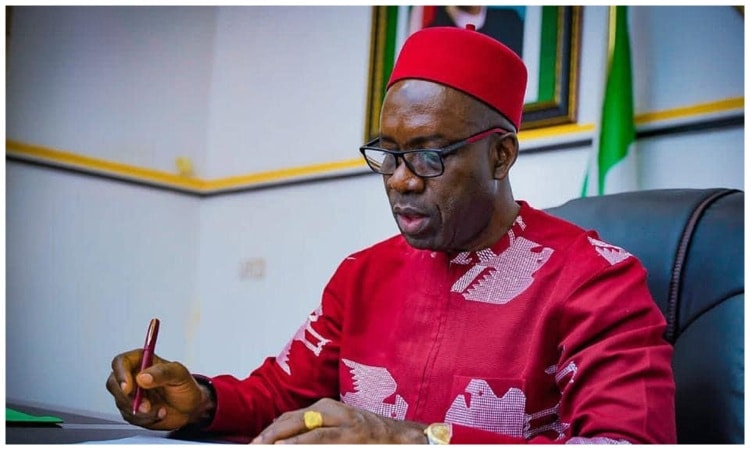
On a Sunday morning, under the Harmattan haze, Governor Chukwuma Soludo stood before the world, his voice steady but tinged with unmistakable pride. With the sun just beginning to scatter its golden light over Awka, he accepted victory—not just for himself, but for an Anambra that has grown weary of rigmarole and craves progress. According to Soludo, this particular governorship poll was unlike any in Anambra’s recent history: a shining benchmark of electoral transparency, efficiency, and trust.
“This election,” Soludo remarked in his acceptance speech, “has given Anambra a new baseline for what voter confidence truly means. INEC has, in my view, stamped its authority as the referee Nigerians deserve.” It was a moment dripping with meaning—one that drew applause, even from critics who once doubted the power of the ballot here.
The Man Behind the Scene: Prof. Joash Ojo Amupitan Steps In
For the first time in years, the buzz after election night had nothing to do with snatched ballot boxes, missing party agents, or power outages. Instead, conversations in local joints and “isi-ewu” spots circled one man—the newly appointed INEC Chairman, Prof. Joash Ojo Amupitan. For many constituents, it seemed as if the professor had landed not with loud fanfare, but with a calm efficiency reminiscent of Swiss precision.
Soludo was quick to heap praise on this “impressive debut” for the new Chairman, saying, “As the adage goes, your first impression is your lasting legacy. Prof. Amupitan, you’ve given Anambra voters a taste of what the future should hold.” According to official remarks and various observers present at the collation centre, the process was free of major glitches—an achievement that older politicians might have considered impossible in decades past.
Technology, Trust, and the New Face of Nigerian Elections
Since 2017, INEC’s gradual embrace of technology has become a shining touchstone for reform-minded Nigerians. Biometrics, electronic transmission of results, and visible voting records all played a role in this year’s poll. Local analyst Ngozi Obijiofor explained, “With each election since the digital upgrades began, the tension and suspicion usually around Anambra’s polls keep abating. Now, even grandmas who used to say ‘na dem dem go chop’ are ready to queue and vote, no shaking.”
- Biometric Voter Verification: Reduced double registration and ghost voting
- Electronic Result Transmission: Quick, tamper-proof sharing of outcomes
- Transparent Polling Practices: Improved real-time visibility for agents and observers
These tech-driven upgrades mean more than just faster counting. Voters have begun to trust that their voices won’t be lost in a sea of “abracadabra.” According to INEC’s own post-election release, the number of disputed ballots was lower than in any other comparable Nigerian election in the last five years.
Setting New Records: By the Numbers
When the dust finally settled, Governor Soludo was declared the winner with a tally of 422,664 votes—a landslide by any standard. His closest challenger, Prince Nicholas Ukachukwu of the All Progressives Congress, reportedly secured 99,445 votes. This margin stunned many political observers and reinforced the idea that the days of razor-thin, hotly contested results—often dogged by endless court cases—may be finally fading, at least in this corner of South-East Nigeria.
Voters like Mrs. Chinelo Iweka from Onitsha summed up the mood: “For once, my vote felt like it counted. Dem no gree chop our rights. We thank God, biko!” That sense of ownership and pride was echoed online, too, as social media channels buzzed with memes celebrating both INEC’s “clean sweep” and Prof. Amupitan’s no-nonsense approach.
What Made This Election Different?
- INEC’s Improved Processes: Experts such as Abuja-based democracy scholar Dr. Ikenna Eze point to “systematic training” for local officers.
- Effective Security Organisation: According to officials, the orderly conduct of voters and swift response to incidents reduced violence and intimidation.
- Robust Voter Education: Community-based sensitisation empowered more citizens to act without fear or favour.
Growing Pains and Lingering Questions
Of course, not everyone is breaking out the palm wine just yet. Skeptics argue that while the polls were smoother, challenges remain—low voter turnout in some rural wards, logistical issues in riverine communities, and subtle allegations of vote-buying. As Enugu-based social activist Chidi Okafor put it, “Rome wasn’t built in a day. We celebrate, but we keep watching so progress no go turn back.”
Others worry that improvements in Anambra should not excuse INEC from addressing systemic hurdles nationwide, especially in states prone to violence or disenfranchisement. According to the Transitional Monitoring Group, expanding these best practices across the federation will be the true test of INEC’s reform agenda.
What This Means for Democracy Across Nigeria
There’s no denying it: the Anambra governorship poll has put a fresh wind in the sails of Nigerian democracy. To many, this isn’t just an Anambra story; it’s a sign that change is possible even in places where cynicism once reigned. As international observers from the United Nations noted in their preliminary reports, robust local confidence can be a powerful engine for future reforms across other states.
For everyday Nigerians, seeing their voices amplified after decades of “manage am like that” politics stirs a rare feeling of hope. As discussions turn to what’s next, many believe it’s time to bottle this Anambra energy and share it across the federation, spurring similar innovations in future elections from Lagos to Maiduguri.
Final Thoughts: The Road Ahead for Anambra—and For Us All
As the sun set on Awka that Sunday, you could almost taste the optimism in the air. Soludo’s victory speech wasn’t just about statistics or party loyalty—it was a recognition of a state determined to turn a new leaf, armed with better processes and stronger unity. While experts stress that much work remains, there’s little doubt Anambra has sparked a much-needed conversation about what transparent, credible elections should look like in Nigeria and across Africa.
What’s your view? Do you think technology and transparent policies can finally change the story of Nigerian elections for good, or is there still a long way to go?
Share your thoughts below and join the conversation. Have a news tip, story, or personal experience about the impact of elections in your community? Don’t keep it to yourself!
For general support or inquiries, contact us at support@nowahalazone.com.
Join our online community! Follow us on Facebook, X (Twitter), and Instagram for updates, opinions, and breaking news as it happens.