
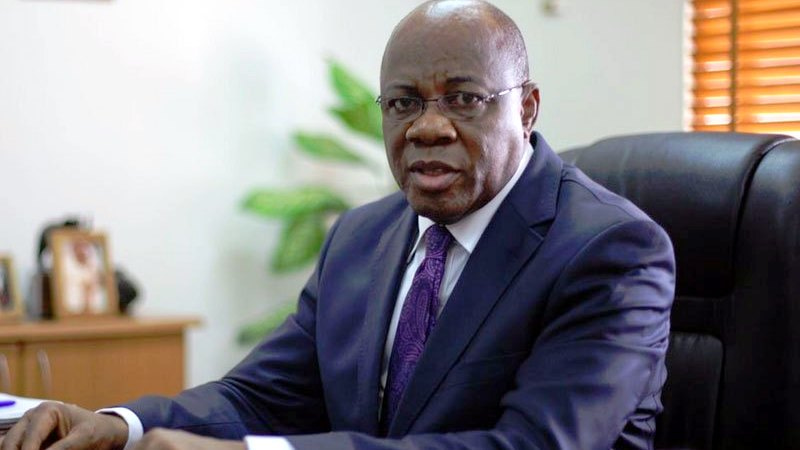
Ever imagined a Nigeria where the naira gains power, businesses thrive effortlessly, and economic frustration becomes a thing of the past? That’s not just a pipedream—according to legal icon and former Nigerian Bar Association president, Olisa Agbakoba, transformational reforms could unlock a staggering ₦1.5 quadrillion in value for our country’s economy, giving the naira the backbone it desperately needs.
In a bold open letter to Nigeria’s finance minister Wale Edun, Agbakoba proposes a sweeping blueprint to revolutionize the nation’s financial foundation. His message is simple but electrifying: with the right moves, Nigeria could not only stabilise the naira but also open doors to unprecedented prosperity for millions.
Is Nigeria on the Brink of Explosive Economic Growth?
Let’s pause for a second: Imagine someone told you there’s “₦1.5 quadrillion” quietly lying dormant in our land, just waiting for the right touch to come alive. Sounds like one of those “I-too-know” stories you might hear at a buka, right? But Agbakoba isn’t spitting empty statistics—his proposals are rooted in research, hard data, and real Nigerian challenges.
According to his detailed letter, three core reforms could change the entire game: land and real estate titling, a thriving credit economy, and mechanised agriculture. Could these unlock lasting wealth, or are there more snakes in the grass than we realise?
The Naira’s “Weak Knees”: What’s Really Going On?
Nigerians know the pain of a tumbling naira all too well. Watch the price of food and you’ll see the story—what you could once buy with a handful of notes now barely fills a small nylon bag. While government officials, including the finance minister himself, have talked up recent GDP growth and declining inflation, most citizens still measure progress by the cost of “ewa goin” and the latest fuel price.
Minister Edun brags about tough reforms leading to 4.2% GDP growth and foreign reserves climbing past $43 billion, according to official statements. Yet, as he admits, food inflation is biting hard and daily struggles remain for many families. “I believe the most difficult phase of our economic journey is behind us. Nigeria has turned a decisive corner,” Edun recently claimed. But these bare figures don’t quiet the grumbling wallets across the land.
What’s Stifling Nigeria’s Real Wealth?
According to Agbakoba, the real headache is not just inflation or price swings—it’s the missing “economic fundamentals” behind our naira. He points to a killer statistic: World Bank and PwC studies reportedly show that nearly 90% of Nigerian land and real estate is dead capital. Imagine assets so tangled in bureaucratic knots that they can’t be traded, mortgaged, or turned into working money for the owner.
His suggestion? Modernize property rights by rapidly digitising and harmonising land records. Fix this, and suddenly, lands and homes across Nigeria could become launchpads for credit and business, no longer just pieces of dirt left to suffer under uncertain titles.
Land and Real Estate Titling: The Sleeping Giant
For most Nigerians, land ownership means wrestling with documents so confusing that even a sharp lawyer might scratch their head. Without clear, recognized titles, billions worth of property remains locked away—unusable as collateral, unsellable in the modern market.
Agbakoba’s vision is ambitious: finish the ongoing National Land Registration, Documentation, and Titling Programme at breakneck speed. With states on board, this could release wealth on a scale we’ve never seen—reportedly up to ₦1.5 quadrillion, more than enough to support naira stability for years. If done right, he notes, Nigeria could finally attract back property investors who dash to Dubai or London, deepening our own capital markets.
Reforming Credit: Let’s Break the Cash Handcuffs
Ever wondered why even hardworking Nigerians can’t easily own homes, start businesses, or bounce back after a financial blow? One word: credit. As it stands, cash is king, and our inability to borrow (safely!) strangles countless dreams at birth.
Agbakoba imagines a different reality where every Nigerian has access to affordable credit—picture 200 million citizens with ₦300,000 naira facilities. According to his calculations, this could inject some ₦60 trillion into the system, giving both individuals and SMEs the fuel to really take off. It’s not a fairy tale; it’s about creating systems and rules that let banks trust borrowers and let borrowers know their rights.
Agricultural Mechanisation: From Cutlass to Combine Harvester
Now, let’s talk about the backbone of any thriving African nation: agriculture. You and I know how backbreaking farm work can be—imagine a future where that changes forever. In the United States, less than 2% of the workforce feeds the nation, thanks to technology and investment. Here, almost 38% are farming, yet output lags far behind global standards.
Agbakoba argues that without proper land titling, farmers are locked out from accessing loans to buy tractors, build cold rooms, or hire skilled workers. Move to mechanisation, and suddenly post-harvest losses drop, exports rise, and foreign exchange starts flowing into Nigeria. Even your favourite Sunday “ofe nsala” might get cheaper as local food prices stabilize!
What Are the Real Obstacles?
Deep reforms are never easy; the road is peppered with wahala—red tape, inconsistent policies, and at times, plain old resistance to change. Agbakoba himself reportedly admits this journey is “painstaking but doable.” Recent tax reforms show what is possible if the government has the backbone to finish what it starts. The difference, he says, is “ambition matched with execution.”
However, skeptics caution that digitizing land records and expanding fair credit aren’t just about pressing a button. Regulatory hitches, corruption, and cultural barriers must be wrestled down. And as any farmer in Nasarawa or Ogun can tell you, machinery alone won’t boost yields if infrastructure and logistics are left in shambles.
Could These Reforms Write a New Nigerian Story?
The core question remains: is Nigeria ready to turn its fortune around with such sweeping reforms? According to Agbakoba’s vision, embracing land titling, robust credit, and agricultural mechanisation could create strong naira fundamentals—giving people genuine reasons to believe and invest in their own currency, not just hoard dollars for “rainy days.”
If realized, this transformation could ripple through sectors like oil, gas, and manufacturing, lifting millions out of poverty, attracting global investors, and positioning Nigeria as the West African giant it always claims to be.
Looking Beyond the Horizon: Nigeria’s Economic Future
Imagine, for a moment, a decade from now—where a young woman in Akwa Ibom can easily get a loan to expand her cassava farm, or a family in Jos can build their first home with a mortgage, and where the naira finally puts up a solid fight against the dollar. This is the bigger picture that Agbakoba paints: not incremental steps, but a leap forward. But only if we move from endless talking to bold, collective action.
His final words ring with hope and challenge: “The difference between incremental improvement and transformative change is ambition matched with execution. These reforms would not merely stabilise the naira; they would fundamentally restructure our economy and create sustainable prosperity for generations.”
What’s Your View?
Do you believe these reforms could finally set Nigeria on the path to prosperity, or are there deeper barriers we must first tackle? Have you personally felt the pains of a weak naira, or been held back by lack of access to credit? Drop your thoughts below and join the national conversation on building an economy that works for every Nigerian.
Do you have a hot tip or personal story about Nigeria’s economy, business, or social reforms? We want to hear from you! Email us at story@nowahalazone.com if you want your story published or wish to sell a story.
For general support, you can always connect with us at support@nowahalazone.com.
Follow us on Facebook, X (Twitter), and Instagram for more updates straight from the heart of Nigeria!
Have your say: How can the government, private sector, and the people come together to transform the Nigerian economy? Share your ideas in the comments or send a full write-up for a chance to be featured!